Week 20: Perfect Pancakes
0:00 / 0:00
Generating audio...
⏱ 3 min read
📝 553 words
Pancakes are more than just a breakfast staple they are a delightful canvas for culinary creativity. Perfecting the art of pancake-making is an essential skill in any home cooks repertoire.
Pancakes are more than just a breakfast staple; they are a delightful canvas for culinary creativity. Perfecting the art of pancake-making is an essential skill in any home cook's repertoire. This lesson will guide you through the process of making light, fluffy pancakes, revealing techniques that ensure consistency and flavor in every bite. Whether you're a novice or a seasoned cook, mastering pancakes can elevate your breakfast game and impress family and friends alike.
In this lesson, you'll learn about the key ingredients that make the perfect pancake batter, understand the science behind the fluffiness, and discover techniques for achieving that golden-brown finish. By the end, you'll be equipped with the knowledge to create not just traditional pancakes, but a variety of adaptations to suit any dietary preference.
Key Concepts
- Ingredients: The foundation of great pancakes is simple: flour, eggs, milk, baking powder, sugar, and a pinch of salt. Each ingredient plays a crucial role in texture and flavor.
- Mixing Technique: Over-mixing can lead to tough pancakes. Gently folding the ingredients ensures a tender crumb.
- Cooking Temperature: Medium heat is key to achieving a perfectly cooked pancake with a golden exterior and fluffy interior.
Step-by-Step Instructions
- Prepare Your Ingredients: Gather 1 cup of all-purpose flour, 2 tablespoons of sugar, 1 tablespoon of baking powder, 1/2 teaspoon of salt, 1 cup of milk, 1 large egg, and 2 tablespoons of melted butter.
- Mix the Dry Ingredients: In a large bowl, whisk together the flour, sugar, baking powder, and salt.
- Combine the Wet Ingredients: In a separate bowl, beat the egg and then whisk in the milk and melted butter.
- Create the Batter: Make a well in the center of the dry ingredients and pour in the wet mixture. Gently fold until just combined; some lumps are okay.
- Heat the Pan: Preheat a non-stick skillet or griddle over medium heat. Lightly grease with butter or cooking spray.
- Cook the Pancakes: Pour 1/4 cup of batter onto the skillet for each pancake. Cook until bubbles form on the surface and edges look set, about 2-3 minutes. Flip and cook for another 2 minutes until golden brown.
- Serve Warm: Transfer to a plate and keep warm until all pancakes are cooked. Serve with your favorite toppings.
Tips and Techniques
- Rest the Batter: Allowing the batter to rest for a few minutes can improve texture.
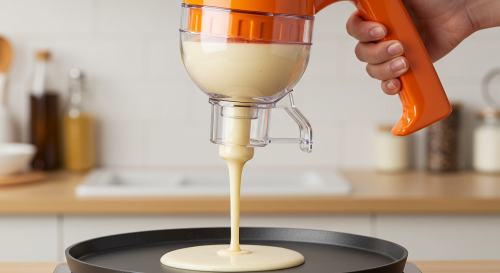
- Consistent Size: Use a measuring cup or ladle to ensure uniform pancake sizes.
- Avoid Overcrowding: Cook pancakes in batches to maintain even heat distribution.
- Test with a Small Drop: Before cooking the first pancake, test the pan's heat with a small drop of batter.
Variations and Substitutions
- Gluten-Free: Substitute all-purpose flour with a gluten-free blend.
- Dairy-Free: Use almond milk or soy milk and replace butter with coconut oil.
- Add-Ins: Experiment with blueberries, chocolate chips, or nuts for extra flavor.
- Savory Pancakes: Reduce sugar and add herbs or cheese for a savory version.
Conclusion
Congratulations on making perfect pancakes! This versatile dish not only satisfies a morning craving but also showcases a foundational cooking skill that can be adapted in countless ways. Store any leftovers in an airtight container in the refrigerator for up to two days, or freeze them for longer storage. Reheat gently in a skillet or toaster for best results. Keep experimenting with flavors and techniques, and let your pancake mastery serve as a stepping stone to further culinary adventures.
Lesson Tips
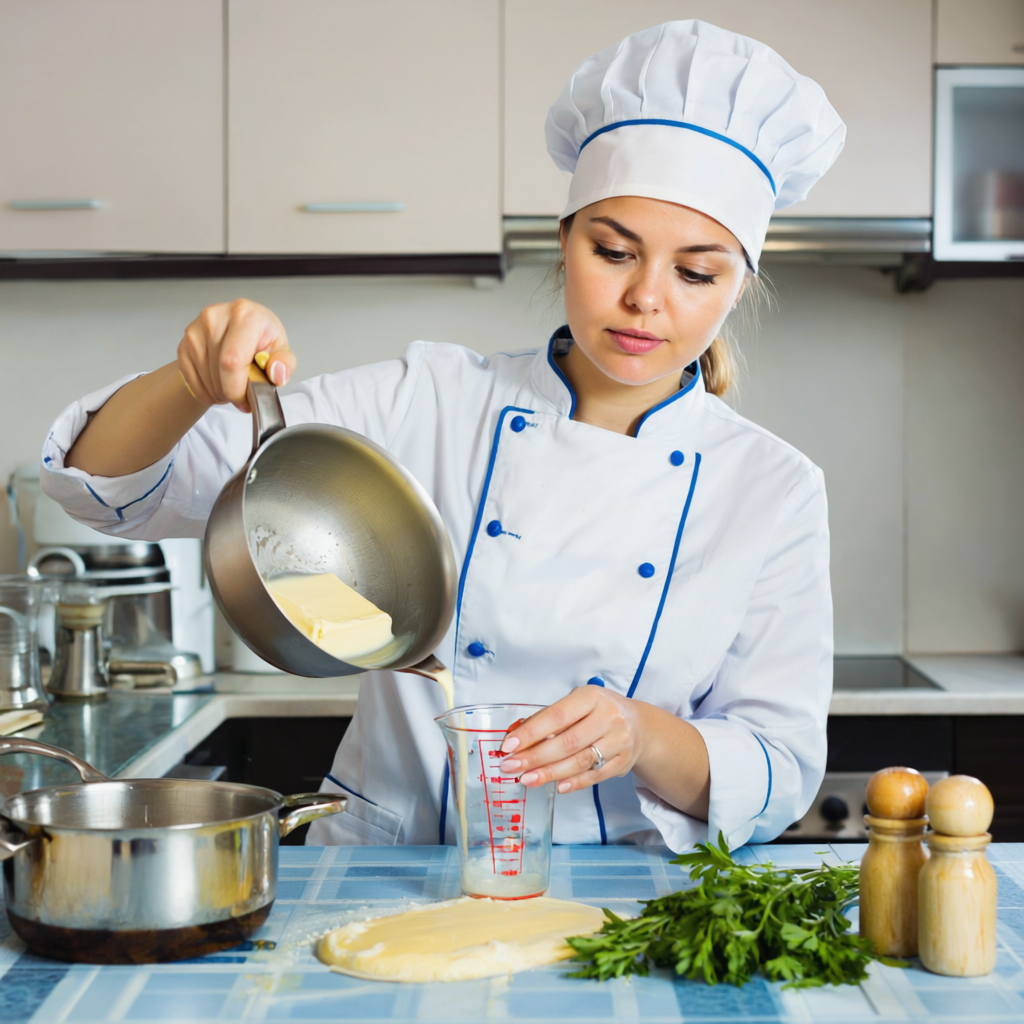
Experiment with unique ingredients like browned butter for signature flavor.
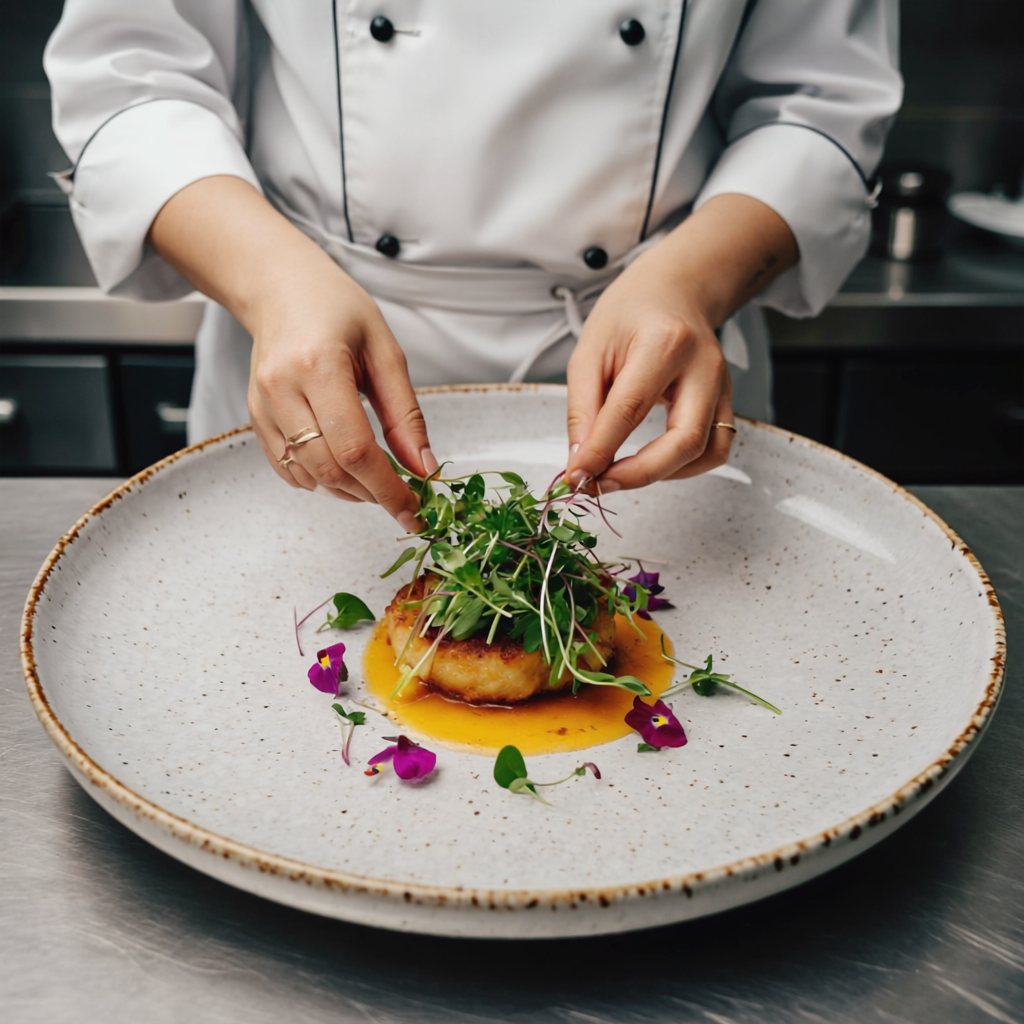
Use colorful garnishes to enhance visual appeal.
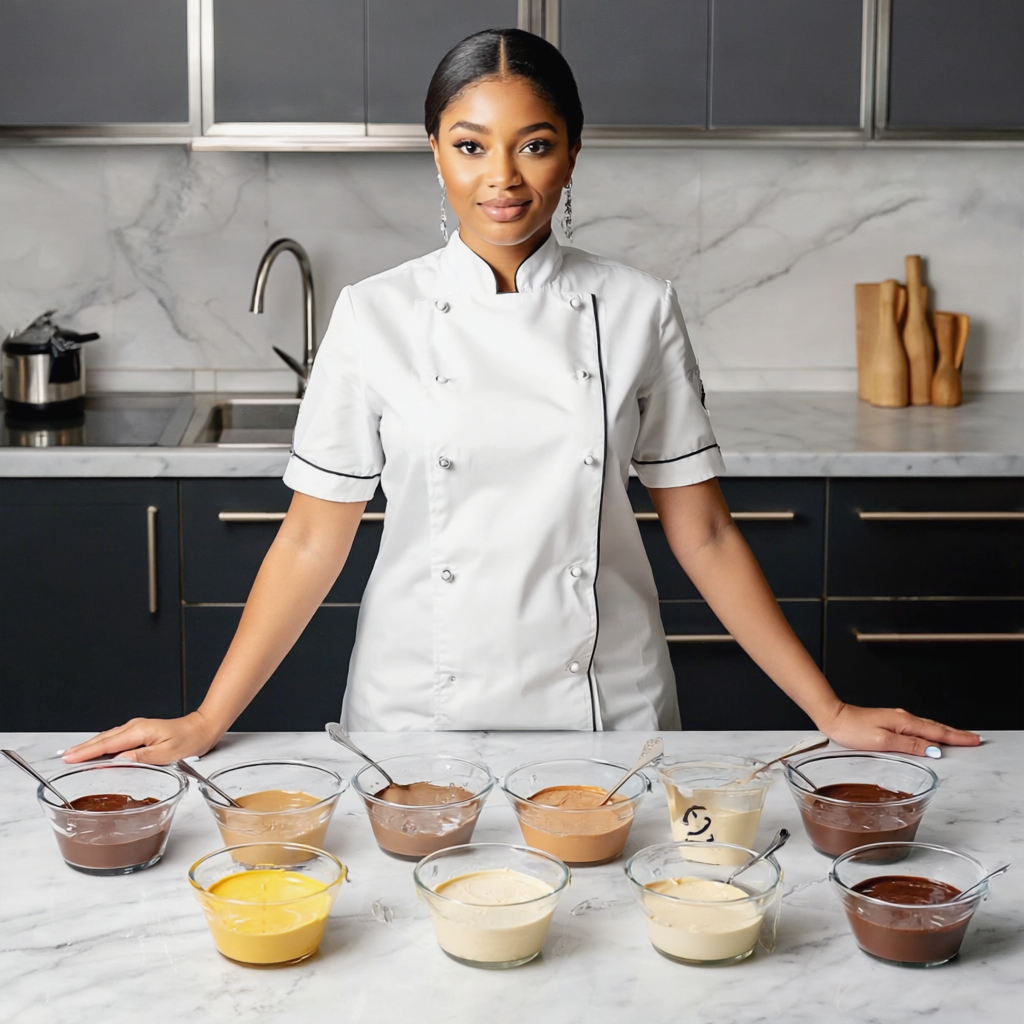
Create a tasting station to compare different batter adjustments.