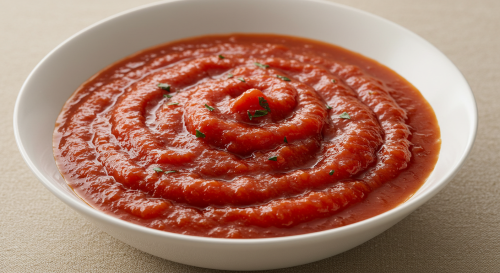
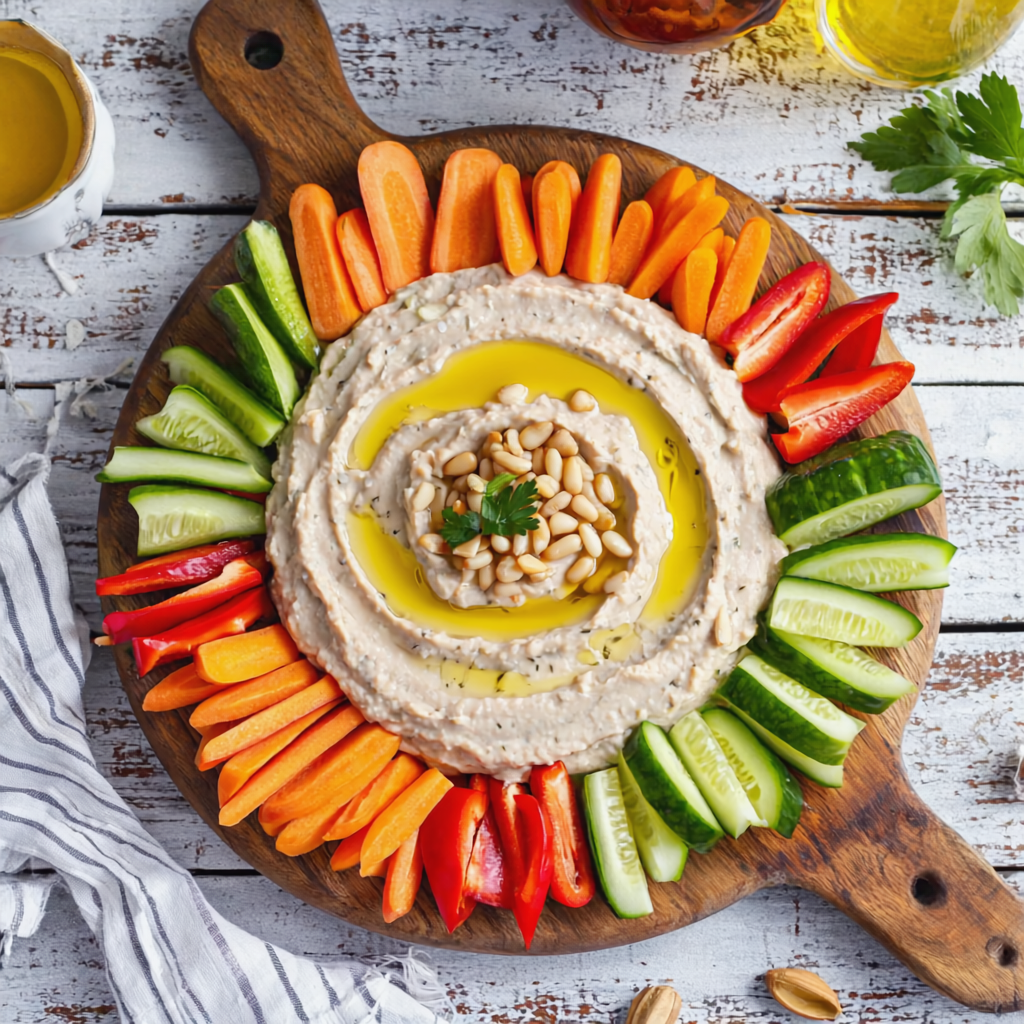
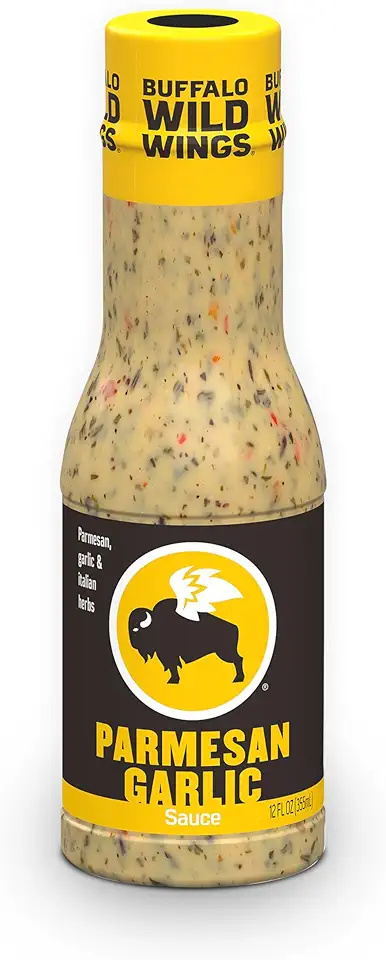
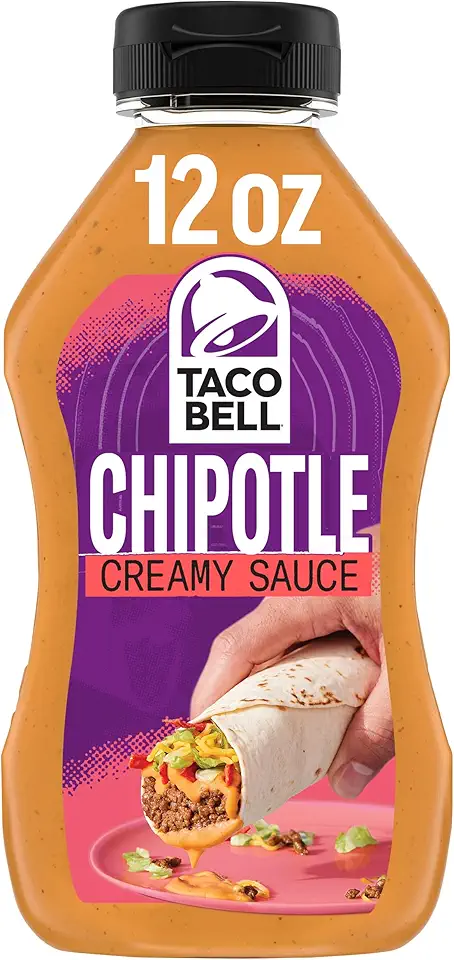
Dipping sauces are the versatile sidekicks that elevate any meal, transforming simple ingredients into something extraordinary. Whether youre hosting a party, preparing a family dinner, or simply enjoying a snack, the right dipping sauce can enhance flavors and bring a dish together.
Dipping sauces are the versatile sidekicks that elevate any meal, transforming simple ingredients into something extraordinary. Whether you're hosting a party, preparing a family dinner, or simply enjoying a snack, the right dipping sauce can enhance flavors and bring a dish together. In this lesson, we'll explore the art of creating delicious dipping sauces, covering essential techniques, diverse recipes, and creative variations to suit any palate.
By the end of this lesson, you'll have a solid understanding of how to prepare a variety of dipping sauces, from classic favorites to innovative creations. You'll learn key concepts, step-by-step instructions, and expert tips to perfect your sauce-making skills and impress your guests.
Key Concepts
To master dipping sauces, it's crucial to understand a few fundamental principles:
- Balance of Flavors: A great dipping sauce balances sweet, salty, sour, and spicy elements to complement the main dish without overpowering it.
- Consistency: Aim for a texture that clings well to foods, whether creamy, chunky, or smooth.
- Quality Ingredients: Use fresh herbs, high-quality oils, and flavorful vinegars or citrus juices to make your sauces shine.
Step-by-Step Instructions
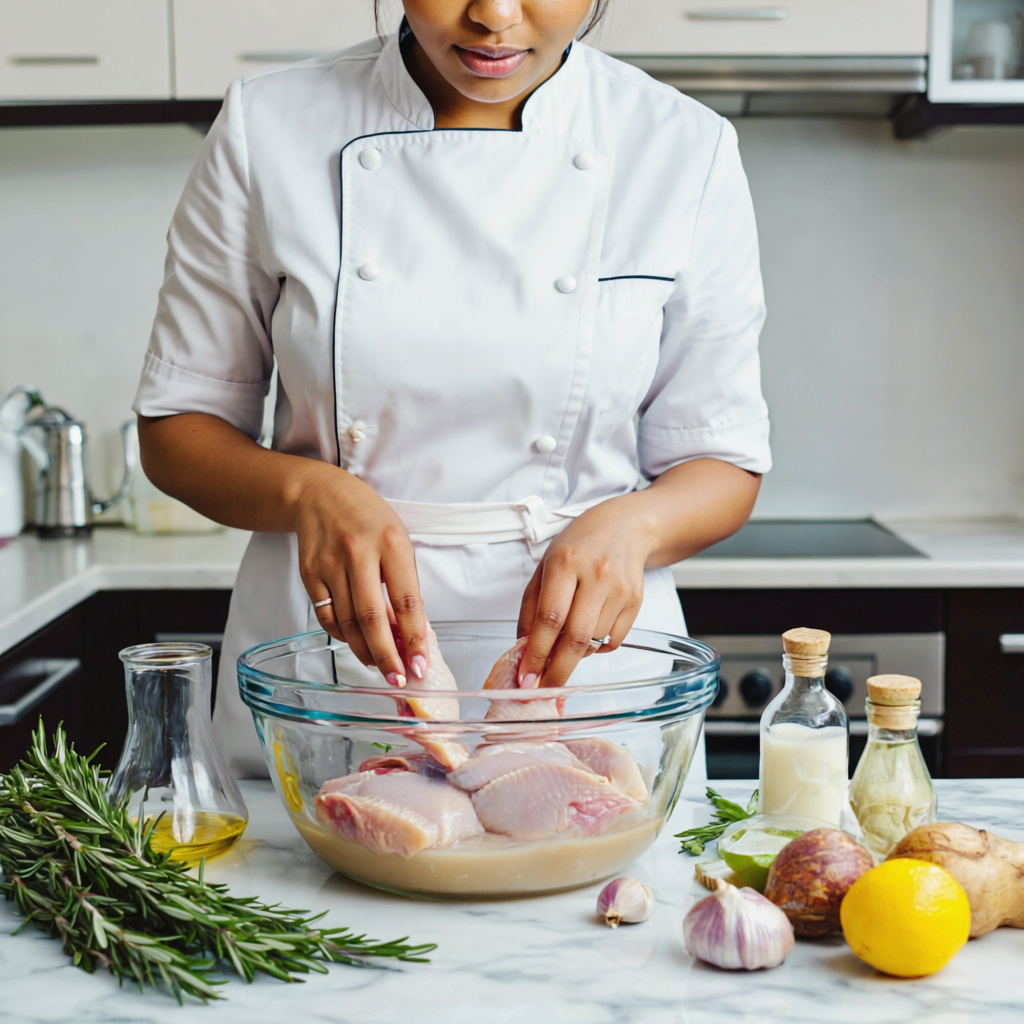
- Gather Ingredients: Select your base ingredients, such as yogurt, mayonnaise, soy sauce, or tahini, and complementary components like garlic, herbs, spices, and citrus.
- Prepare the Base: In a mixing bowl, combine your chosen base ingredients. For example, mix Greek yogurt with lemon juice and minced garlic for a simple yogurt dip.
- Add Flavor Components: Gradually add herbs, spices, and other flavorings, tasting as you go. Adjust the balance of flavors to your liking.
- Adjust Consistency: If the sauce is too thick, add a splash of water, broth, or olive oil. If it's too thin, incorporate more of the base or a thickening agent like cornstarch or flour.
- Chill or Rest: Allow the sauce to chill or rest for at least 30 minutes to let the flavors meld together.
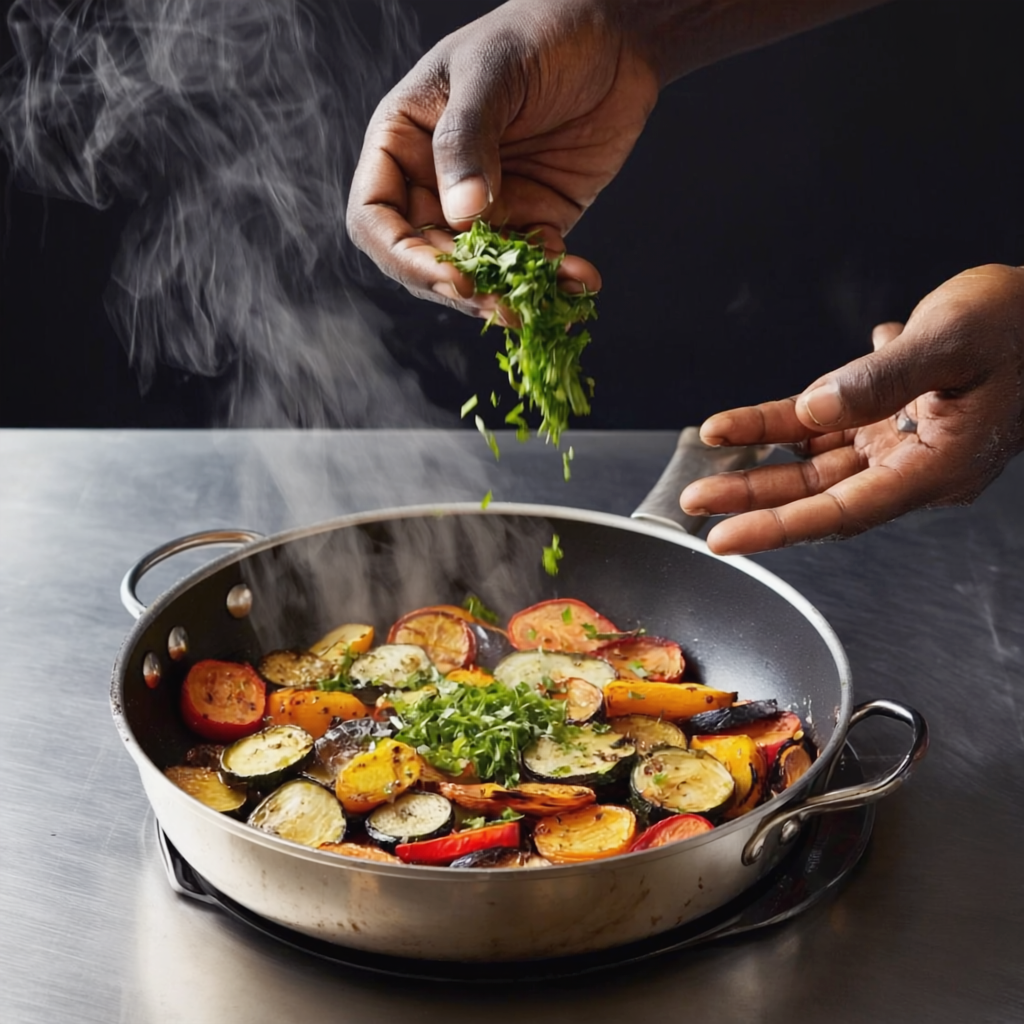
- Serve: Transfer to a serving bowl and garnish with fresh herbs or a sprinkle of spices for visual appeal.
Tips and Techniques
- Taste Frequently: Continuously taste your sauce to ensure the flavors are balanced.
- Avoid Over-Mixing: Over-mixing can lead to a loss of texture, especially in chunky or creamy sauces.
- Use Fresh Ingredients: Fresh herbs and spices provide a more vibrant flavor compared to dried or processed options.
Variations and Substitutions
- For Vegans: Substitute non-dairy yogurt or silken tofu for creamy bases like sour cream or mayonnaise.
- For Spice Lovers: Incorporate chili flakes, hot sauce, or fresh jalapeños for added heat.
- For Gluten-Free Diets: Ensure all ingredients, such as soy sauce or broth, are certified gluten-free.
Conclusion
Creating dipping sauces is an art that enhances your culinary repertoire, providing endless opportunities for creativity and personalization. Store your sauces in airtight containers in the refrigerator for up to a week. Remember that practice makes perfect, and with time, you'll develop an intuition for balancing flavors and textures. Embrace experimentation, and soon you'll be crafting signature sauces that highlight your unique cooking style.