Week 28: Cake Baking: Achieve the Perfect Texture and Flavor
0:00 / 0:00
Generating audio...
⏱ 3 min read
📝 576 words
Cake Baking Achieve the Perfect Texture and Flavor
Baking a cake that is not only aesthetically pleasing but also delicious is both an art and a science. In this lesson, we will explore the essential steps and techniques to achieve the perfect cake texture and flavor.
Cake Baking: Achieve the Perfect Texture and Flavor
Baking a cake that is not only aesthetically pleasing but also delicious is both an art and a science. In this lesson, we will explore the essential steps and techniques to achieve the perfect cake texture and flavor. Whether you're a beginner or a seasoned baker, these tips will elevate your baking game.
Ingredients
- 2 cups all-purpose flour
- 1 ½ cups granulated sugar
- ½ cup unsalted butter, softened
- 1 cup milk (whole or buttermilk)
- 3 large eggs
- 2 ½ tsp baking powder
- 1 tsp vanilla extract
- ½ tsp salt
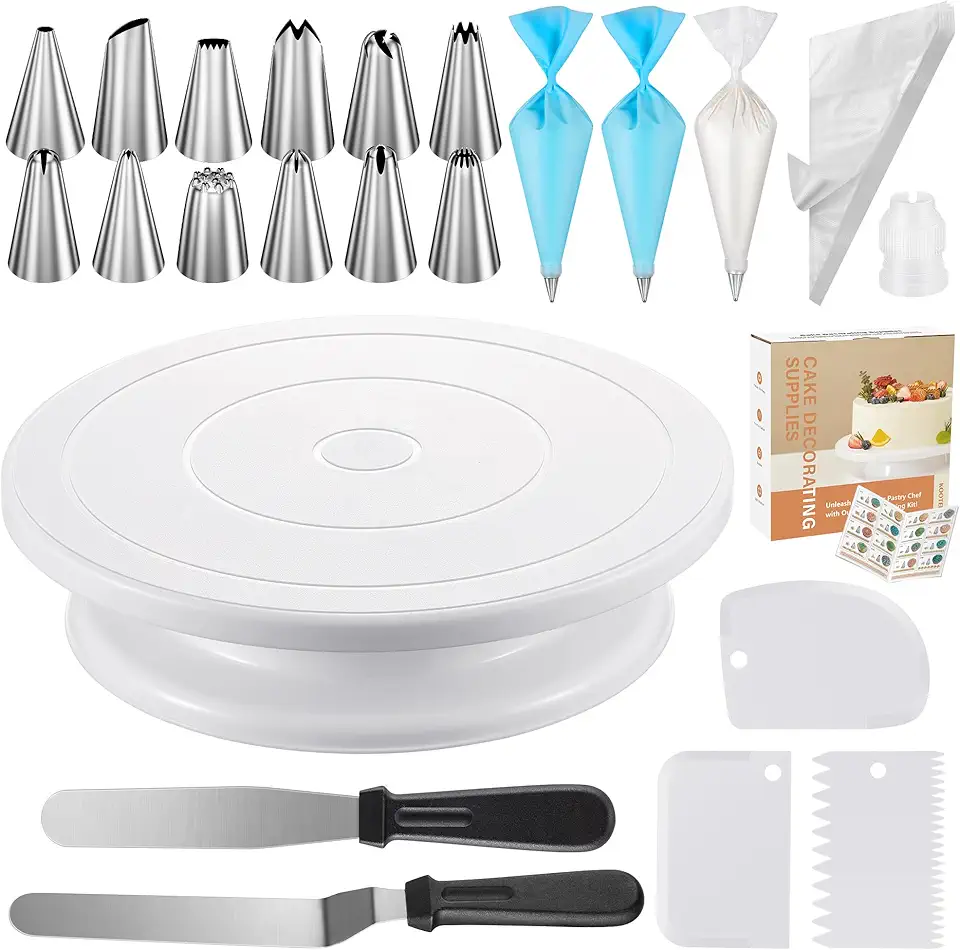
Equipment
- Mixing bowls
- Electric mixer or whisk
- Measuring cups and spoons
- Spatula
- 9-inch round cake pans (2)
- Parchment paper
- Cooling rack
Step-by-Step Instructions
- Prepare Your Workspace:
- Clean your workspace and gather all the necessary ingredients and equipment.
- Preheat your oven to 350°F (175°C).
- Grease the cake pans and line the bottom with parchment paper.
- Mix Dry Ingredients:
- In a bowl, sift together the flour, baking powder, and salt. Set aside.
- Cream Butter and Sugar:
- In a large mixing bowl, use an electric mixer to cream together the softened butter and sugar on medium speed until light and fluffy (about 3-5 minutes).
- Add Eggs and Vanilla:
- Add eggs one at a time, mixing well after each addition.
- Incorporate the vanilla extract and mix until combined.
- Combine Wet and Dry Ingredients:
- Gradually add the dry ingredients to the wet mixture in three additions, alternating with the milk. Start and end with the dry ingredients. Mix on low speed until just combined; do not overmix.
- Pour Batter into Pans:
- Divide the batter evenly between the prepared cake pans. Use a spatula to smooth the top.
- Bake the Cakes:
- Place the pans in the preheated oven and bake for 25-30 minutes, or until a toothpick inserted into the center comes out clean.
- Rotate the pans halfway through baking for even cooking.
- Cool the Cakes:
- Once baked, remove the cakes from the oven and allow them to cool in the pans for 10 minutes.
- Transfer to a cooling rack to cool completely before frosting.
- Decorate:
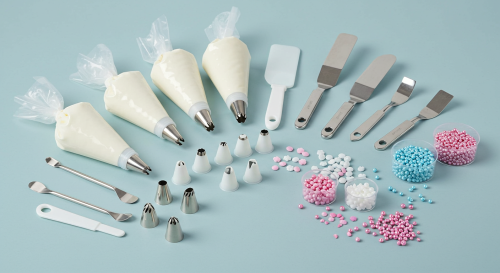
- Frost with your choice of frosting once cooled. Popular options include buttercream, cream cheese frosting, or ganache.
Key Techniques
- Room Temperature Ingredients: Ensure butter, eggs, and milk are at room temperature for better emulsification and a lighter cake.
- Proper Measuring: Use the spoon-and-level method for flour to avoid compacting it, which can lead to a dense cake.
- Don't Overmix: Overmixing can develop gluten, resulting in a tough texture. Mix just until combined.
- Test for Doneness: Use a toothpick to check if the cake is done; it should come out clean or with a few crumbs.
Tips
- For added flavor, consider adding citrus zest or extracts (like almond or coconut) to the batter.
- Experiment with different types of milk for varied flavor profiles.
- If your cake domes while baking, you can slice the top off to make it level before frosting.
Common Mistakes to Avoid
- Using Cold Ingredients: Cold ingredients can create a lumpy batter, affecting texture.
- Not Preheating Oven: Failing to preheat can result in uneven baking.
- Overfilling Pans: Fill pans only 2/3 full to prevent overflow.
Variations
- Chocolate Cake: Substitute ½ cup of flour with unsweetened cocoa powder.
- Fruit Cake: Add 1 cup of fresh or freeze-dried fruit to the batter.
- Spice Cake: Incorporate 1 tsp of cinnamon and ¼ tsp of nutmeg for a warm spice flavor.
By following these detailed steps and tips, you'll be well on your way to baking a cake that not only looks impressive but tastes fantastic. Happy baking!
Lesson Tips
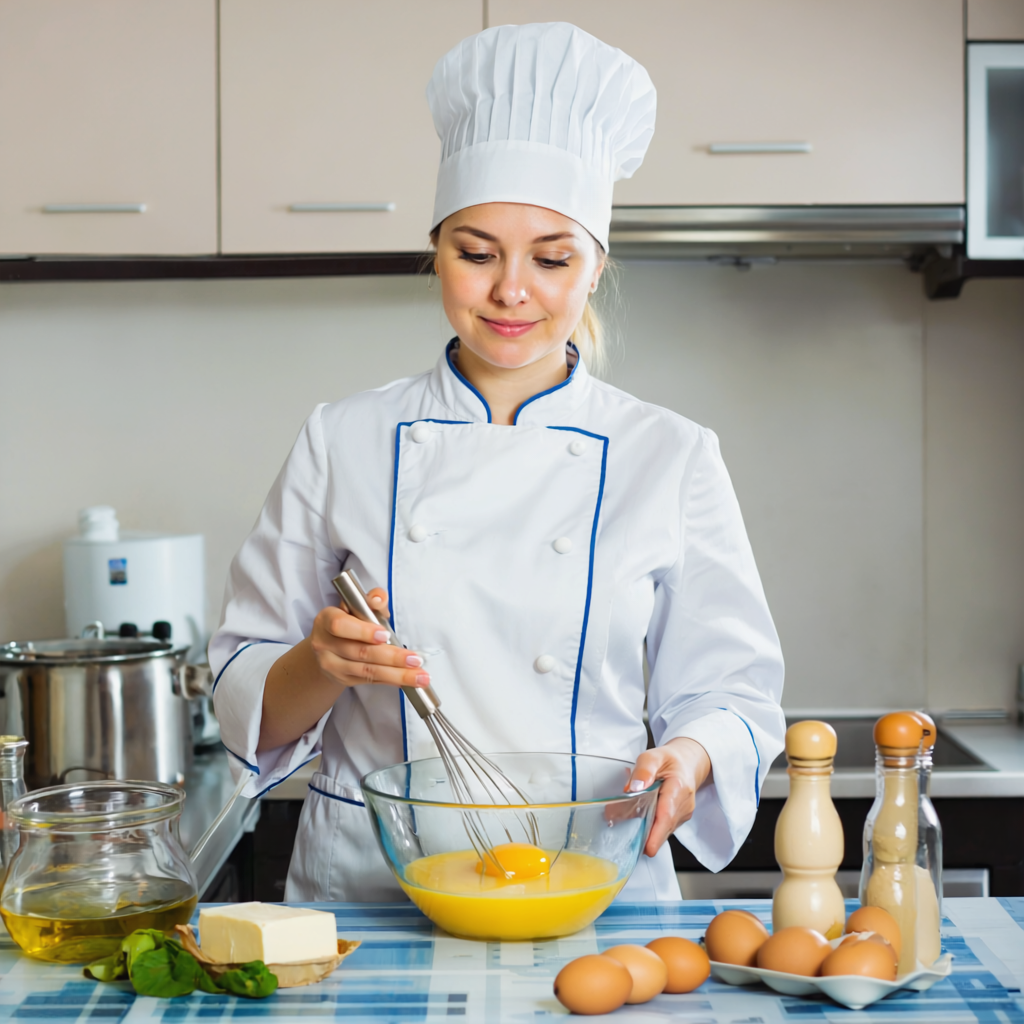
Use room temperature ingredients for better emulsification.
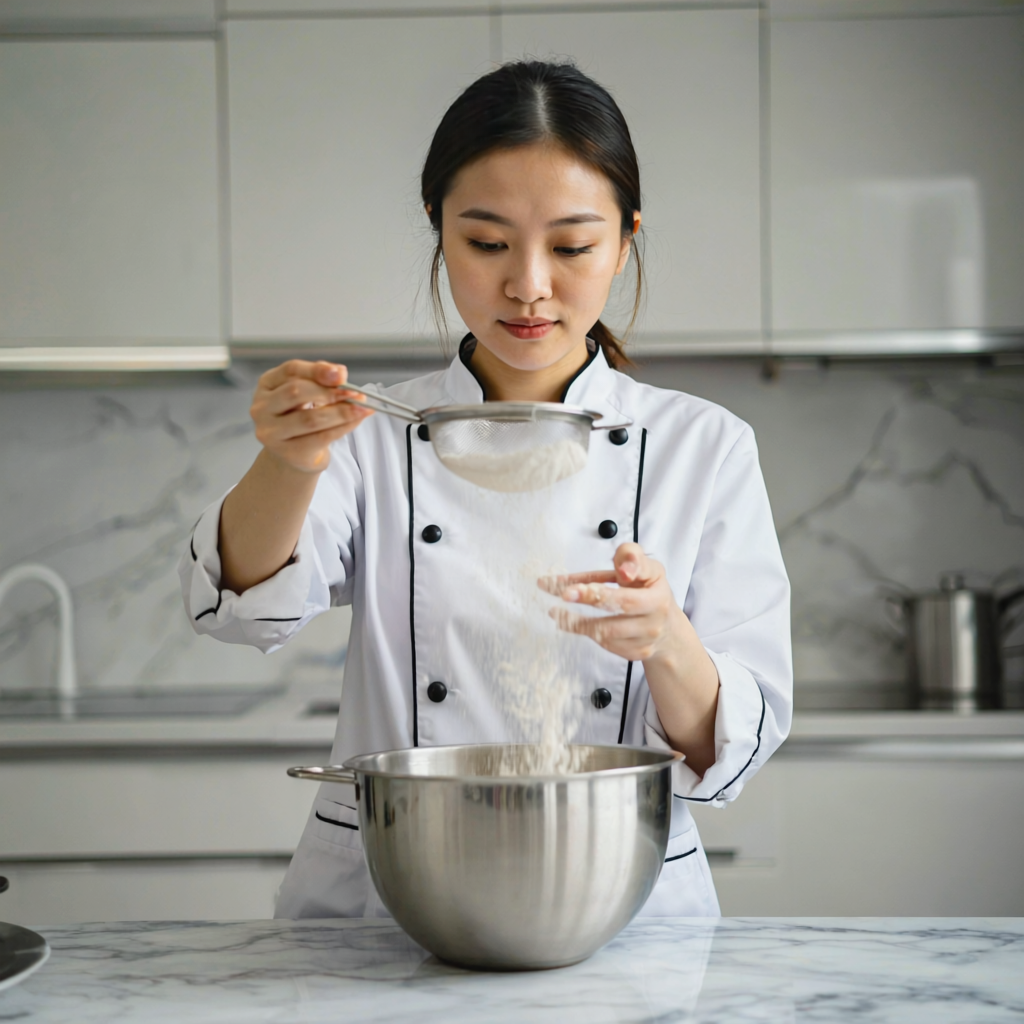
Sift flour to avoid lumps and ensure even mixing.
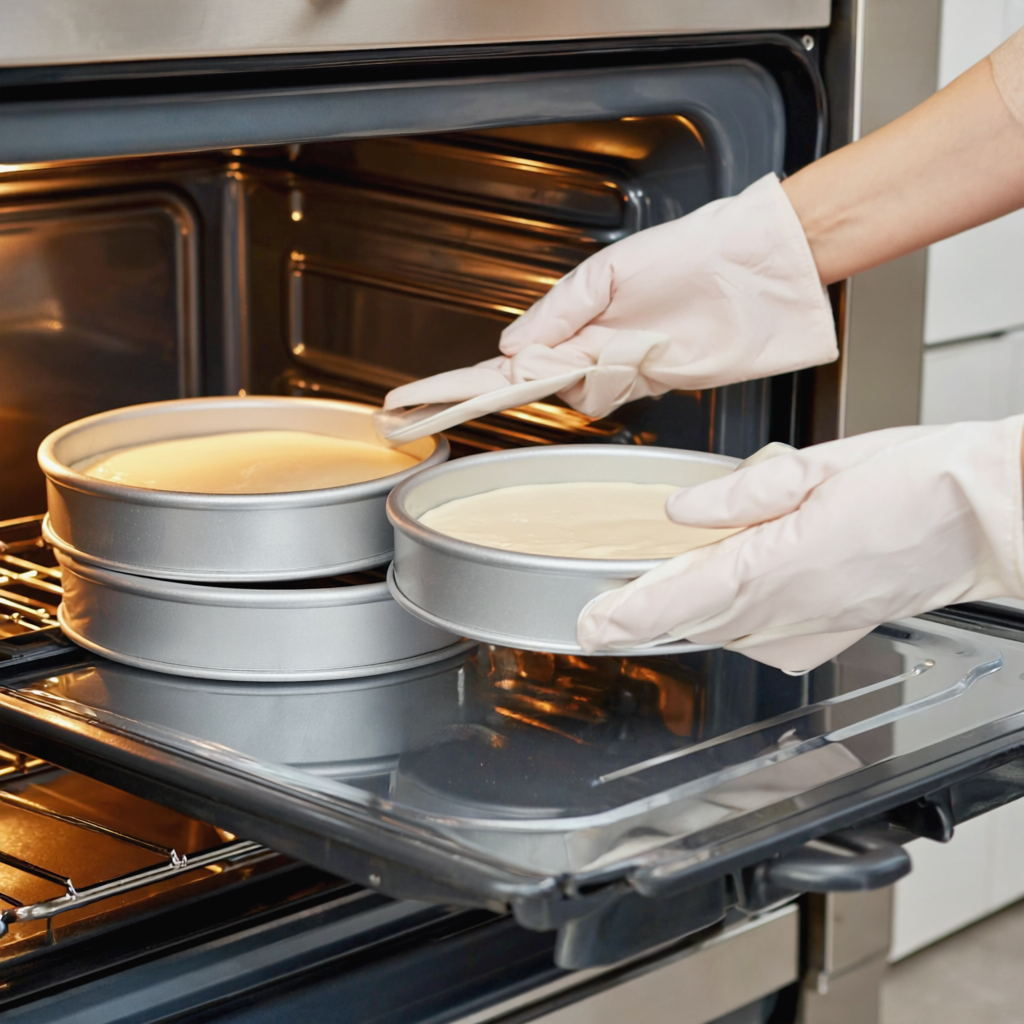
Rotate cake pans halfway through baking for even cooking.