Week 5: Simple Soups
0:00 / 0:00
Generating audio...
⏱ 3 min read
📝 516 words
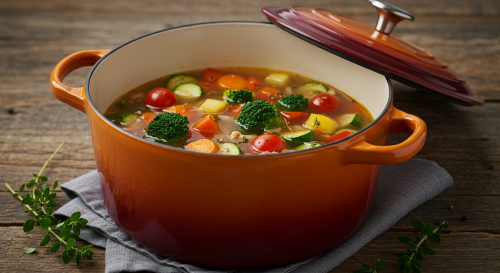
Welcome to the world of simple soups, where culinary magic meets simplicity. Soups are a cornerstone of comfort food, providing nourishment and warmth with minimal effort.
Welcome to the world of simple soups, where culinary magic meets simplicity. Soups are a cornerstone of comfort food, providing nourishment and warmth with minimal effort. Whether you're a novice cook or an experienced chef, mastering the art of simple soups can elevate your cooking repertoire and introduce you to a world of flavors and textures. In this lesson, you'll learn how to create delicious soups using straightforward techniques and readily available ingredients.
Understanding the basics of soup-making is an essential skill in any cook's journey. This lesson will guide you through the fundamental techniques, from selecting the right ingredients to perfecting the cooking process. You'll discover how to balance flavors, achieve the desired consistency, and create soups that are both satisfying and nutritious.
Key Concepts
Before diving into the cooking process, let's explore some key concepts:
- Base Ingredients: Start with a strong foundation using vegetables like onions, carrots, and celery. These form the aromatic base known as mirepoix.
- Broth or Stock: Choose between vegetable, chicken, or beef stock, depending on the soup's flavor profile. Homemade stocks add depth, but store-bought options are convenient.
- Seasoning: Salt, pepper, herbs, and spices are crucial for enhancing flavors. Taste as you go to achieve the perfect balance.
- Thickening Agents: Consider using potatoes, cream, or flour to adjust the soup's thickness to your liking.
Step-by-Step Instructions
- Prepare Ingredients: Dice your vegetables uniformly for even cooking. Measure out your herbs and spices.
- Create the Base: In a large pot, heat a tablespoon of oil over medium heat. Add onions, carrots, and celery, cooking until softened.
- Add Broth: Pour in your chosen broth or stock. Bring to a gentle simmer, allowing flavors to meld together.
- Incorporate Main Ingredients: Add your primary ingredients, such as lentils, beans, or chicken. Continue simmering until everything is cooked through.
- Adjust Seasoning: Taste the soup and add salt, pepper, and herbs to enhance the flavors.
- Thicken if Desired: For a creamier texture, blend a portion of the soup or add cream slowly while stirring.
- Serve: Ladle hot soup into bowls, garnishing with fresh herbs or a drizzle of olive oil for a finishing touch.
Tips and Techniques
- Layering Flavors: Sautéing vegetables adds sweetness, while deglazing with a splash of wine can introduce complexity.
- Avoid Overcooking: Maintain a gentle simmer to prevent vegetables from becoming mushy.
- Pro Tip: Prepare a bouquet garni-a bundle of herbs tied together-to infuse subtle, herbal notes without leaving herb pieces in the soup.
Variations and Substitutions
- Vegetarian/Vegan: Use vegetable stock and add plant-based proteins like tofu or chickpeas.
- Gluten-Free: Skip flour-based thickeners and utilize potatoes or cornstarch.
- Flavor Variations: Experiment with spices like curry powder for a twist, or add coconut milk for a creamy, tropical version.
Congratulations on mastering the art of simple soups! With these skills, you're equipped to create nourishing meals that warm both the body and soul. Remember, soups can be stored in airtight containers in the refrigerator for up to a week, allowing flavors to develop further. Embrace the versatility of soups as a staple in your cooking repertoire, and enjoy the endless possibilities they offer.
Lesson Tips
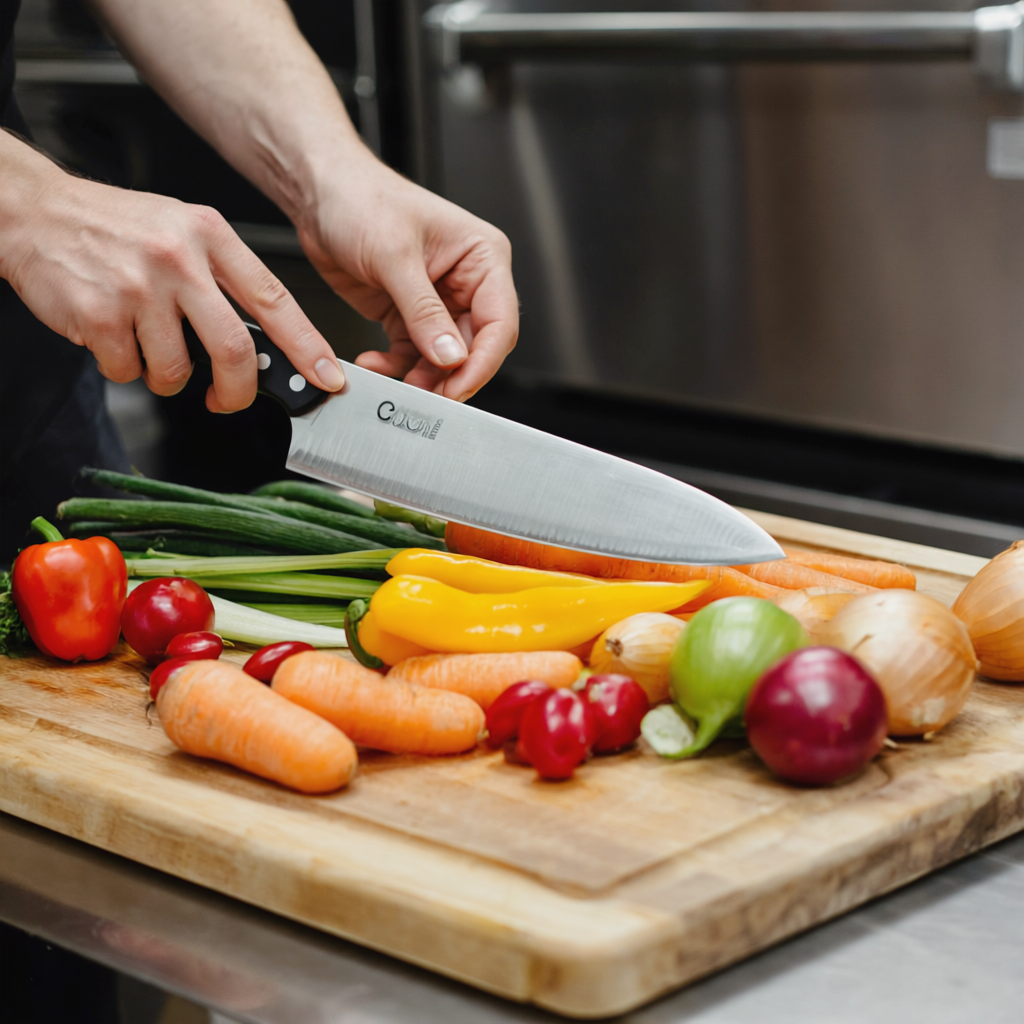
Chop similar-texture vegetables together for consistent cooking.

Introduce new spices gradually and taste as you go for balance.

Keep a notepad to track simmer times and seasoning adjustments.