Week 4: All About Eggs
0:00 / 0:00
Generating audio...

⏱ 3 min read
📝 502 words
Introduction
Welcome to the wonderful world of eggs! As one of the most versatile ingredients in the culinary world, eggs are a cornerstone of countless recipes and cuisines.
Introduction
Welcome to the wonderful world of eggs! As one of the most versatile ingredients in the culinary world, eggs are a cornerstone of countless recipes and cuisines. Their simplicity belies their complexity and the myriad of ways they can be prepared and enjoyed.
In this lesson, you will learn essential techniques for cooking eggs, understand their role in various dishes, and explore creative variations. Whether you're a beginner or a seasoned cook, mastering eggs will elevate your cooking repertoire.
Key Concepts
Understanding Egg Anatomy: An egg consists of the shell, the egg white (albumen), and the yolk. Each part has unique properties, making eggs incredibly versatile in cooking.
Cooking Techniques: Common methods include boiling, poaching, scrambling, and frying. Each technique brings out different textures and flavors.
Freshness and Quality: Always use fresh eggs for the best results. A fresh egg will have a firm yolk and a thick egg white.
Step-by-Step Instructions
- Boiling Eggs:
- Place eggs in a pot and cover them with cold water.
- Bring the water to a boil over medium-high heat.
- Once boiling, remove from heat and cover. Let sit for 9-12 minutes, depending on desired doneness.
- Cool in ice water before peeling.
- Scrambling Eggs:
- Crack eggs into a bowl and whisk with a pinch of salt.
- Heat butter in a non-stick pan over medium heat.
- Pour in eggs and gently stir with a spatula until just set.
- Remove from heat while still slightly runny for creamy texture.
- Poaching Eggs:
- Fill a pan with water and bring to a gentle simmer.
- Add a splash of vinegar to help coagulate the egg whites.
- Crack an egg into a small bowl, then gently slide it into the water.
- Cook for 3-4 minutes, then remove with a slotted spoon.
Tips and Techniques
- Avoid Overcooking: Eggs continue to cook from residual heat, so remove them slightly before they reach the desired doneness.
- Use the Right Pan: A non-stick pan is ideal for scrambling and frying eggs to prevent sticking.
- Seasoning: Salt can be added before or after cooking, but fresh herbs and spices should be added at the end to preserve their flavors.
- Common Mistake: Stirring scrambled eggs too frequently can lead to a rubbery texture. Gentle, infrequent stirring creates creaminess.
Variations and Substitutions
- Dietary Preferences: For a dairy-free scramble, substitute butter with olive oil.
- Skill Levels: Beginners can start with boiled eggs, while more experienced cooks might try making a hollandaise sauce.
- Flavor Variations: Enhance scrambled eggs with cheese, chives, or smoked salmon for added flavor.
- Egg Substitutes: For vegans, consider using tofu or chickpea flour for similar dishes.
Conclusion
With these techniques and tips, you are equipped to master the art of cooking eggs. Remember, practice makes perfect, so don't hesitate to experiment with different methods and flavors.
Store eggs in the refrigerator to maintain freshness, and always check the expiration date before use. As you integrate these skills into your cooking, you'll find eggs are not just a breakfast staple but a versatile ingredient for any meal.
Happy cooking!
Lesson Tips

Cook scrambled eggs gently over low heat for creaminess.
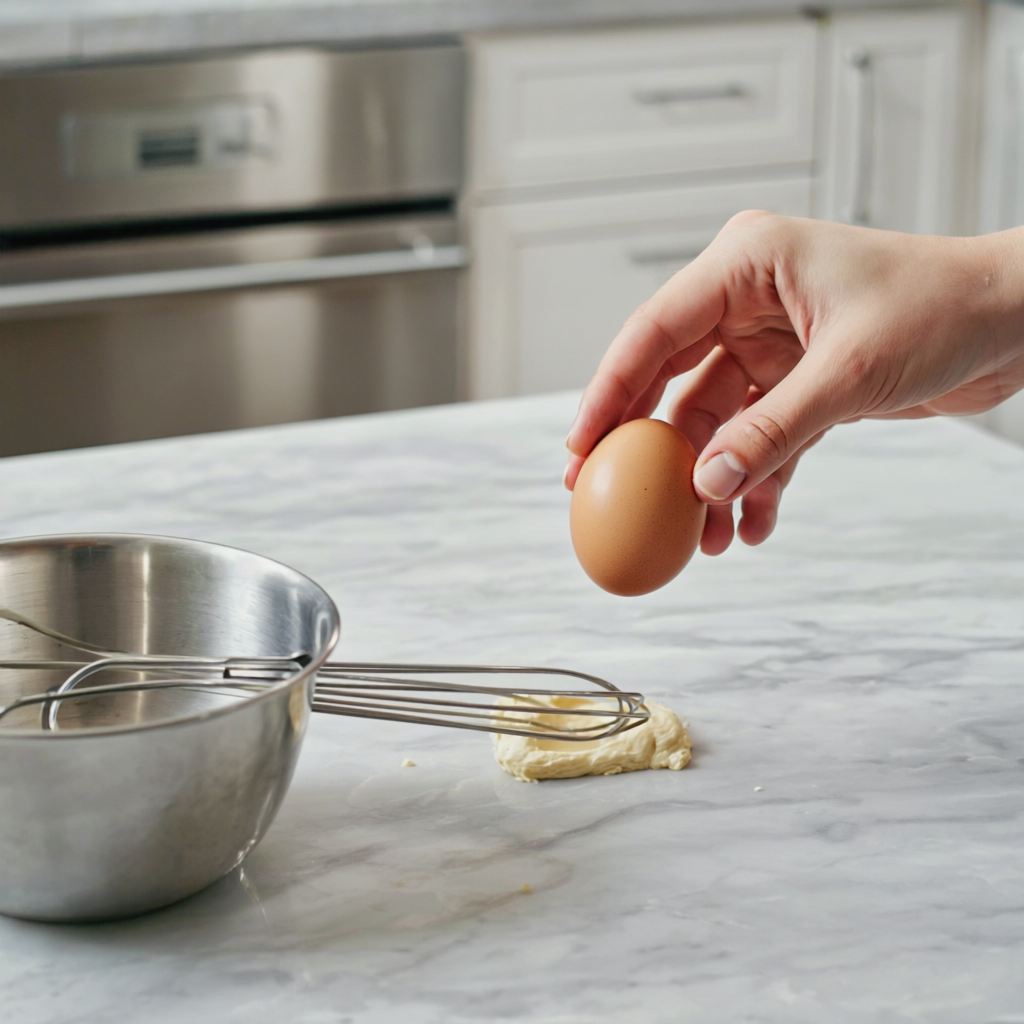
Tap eggs on a flat surface to minimize shell shards.
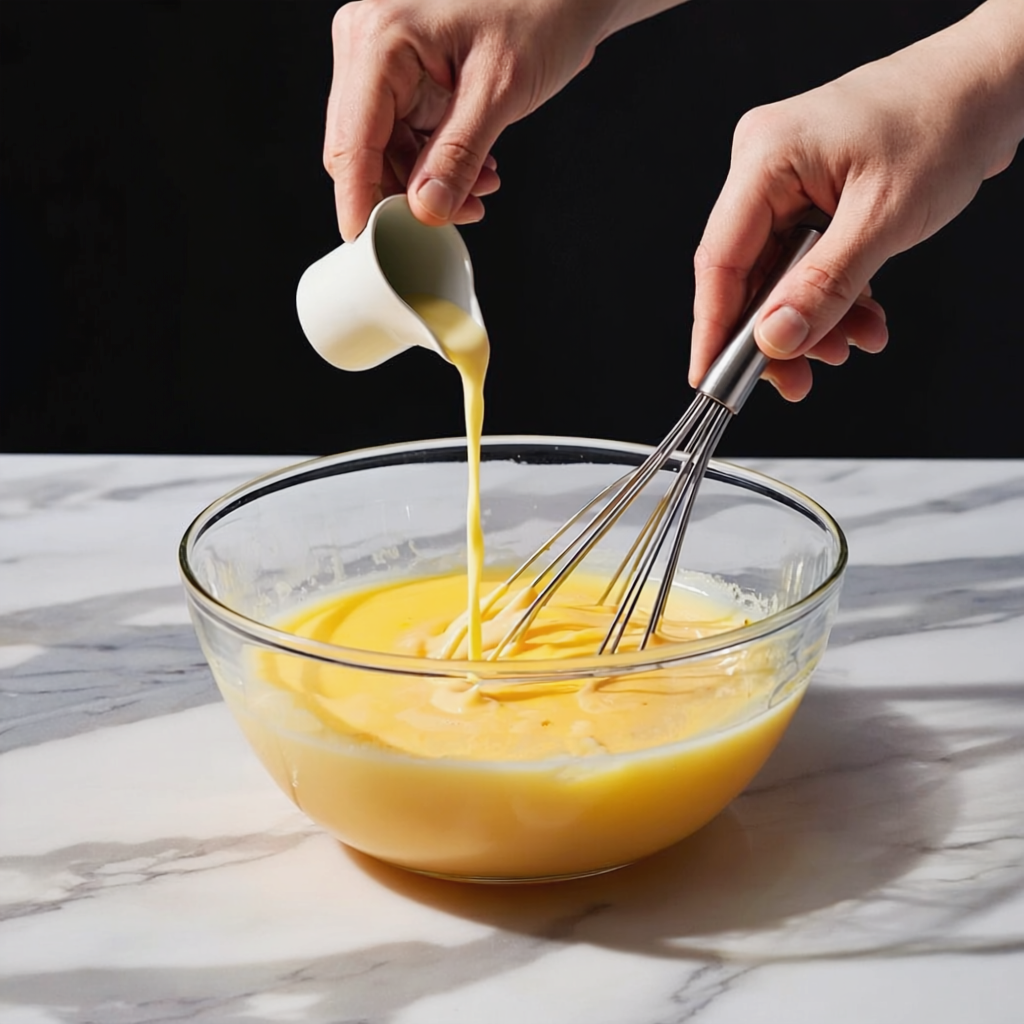
Add milk or cream sparingly to enhance fluffiness without dilution.