Week 3: Sauce Making
0:00 / 0:00
Generating audio...
⏱ 3 min read
📝 502 words
In the world of culinary arts, sauces hold a place of honor. They have the power to transform a simple dish into an extraordinary experience, adding depth, flavor, and visual appeal.
In the world of culinary arts, sauces hold a place of honor. They have the power to transform a simple dish into an extraordinary experience, adding depth, flavor, and visual appeal. Whether you're preparing a rich and creamy béchamel, a tangy tomato sauce, or a delicate hollandaise, mastering sauce making is an essential skill for any aspiring cook. In this lesson, you'll learn the principles of sauce making, explore various techniques, and discover how to customize sauces to suit your taste and dietary preferences.
By the end of this lesson, you will understand how to create a range of sauces from scratch, using fundamental methods and key ingredients. You'll gain confidence in your ability to enhance any meal, knowing how to adjust flavors and textures to perfection.
Key Concepts
The art of sauce making relies on a few fundamental techniques and ingredients. Understanding these concepts will enable you to create a variety of delicious sauces:
- Roux: A mixture of fat (usually butter) and flour, cooked together to thicken sauces.
- Emulsification: The process of combining two liquids that usually don't mix, such as oil and vinegar, to create a stable sauce.
- Reduction: Simmering a liquid to evaporate water, intensifying flavors and thickening the sauce.
- Stock: A flavorful liquid base made by simmering bones, meat, or vegetables, used as the foundation for many sauces.
Step-by-Step Instructions
Follow these steps to create a classic béchamel sauce:
- Melt 2 tablespoons of butter in a saucepan over medium heat.
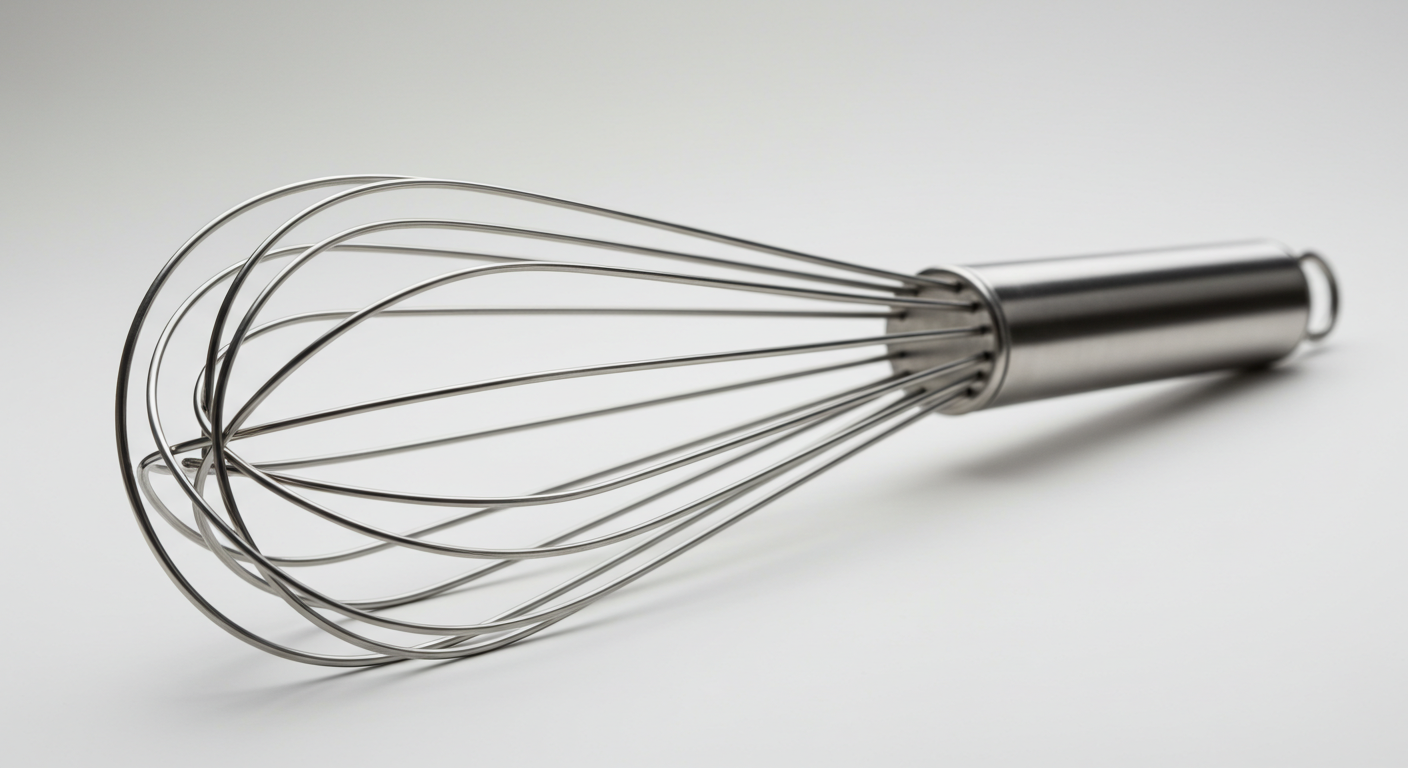
- Add 2 tablespoons of all-purpose flour and whisk continuously until the mixture becomes a smooth paste (roux) and cooks for about 2 minutes.
- Gradually add 2 cups of milk, whisking constantly to prevent lumps from forming.
- Bring the mixture to a gentle simmer, continuing to stir until it thickens to your desired consistency.
- Season with salt, pepper, and a pinch of nutmeg to taste.
Tips and Techniques
- Keep stirring: Constant stirring prevents lumps and ensures a smooth sauce.
- Temperature control: Moderate heat helps prevent the sauce from burning or separating.
- Flavor enhancers: Add herbs, spices, or cheese to customize your sauce.
- Common mistake: Adding liquid too quickly can lead to lumps. Add a small amount at a time, whisking well after each addition.
Variations and Substitutions
- For a gluten-free version, substitute flour with cornstarch or a gluten-free flour blend.
- To make a vegan béchamel, use plant-based butter and milk alternatives like almond or soy milk.
- Enhance your sauce with flavors such as garlic, mustard, or herbs for a personalized touch.
- For a richer sauce, use cream instead of milk.
Conclusion
Mastering the art of sauce making will elevate your cooking skills, allowing you to enhance any dish with flavors and textures that delight the senses. Remember to store your sauces in airtight containers in the refrigerator for up to a week, or freeze them for longer storage. Practice makes perfect, so don't hesitate to experiment, adjusting flavors and ingredients to suit your preferences. With these foundational skills, you'll be able to tackle any sauce recipe with confidence and creativity.
Lesson Tips
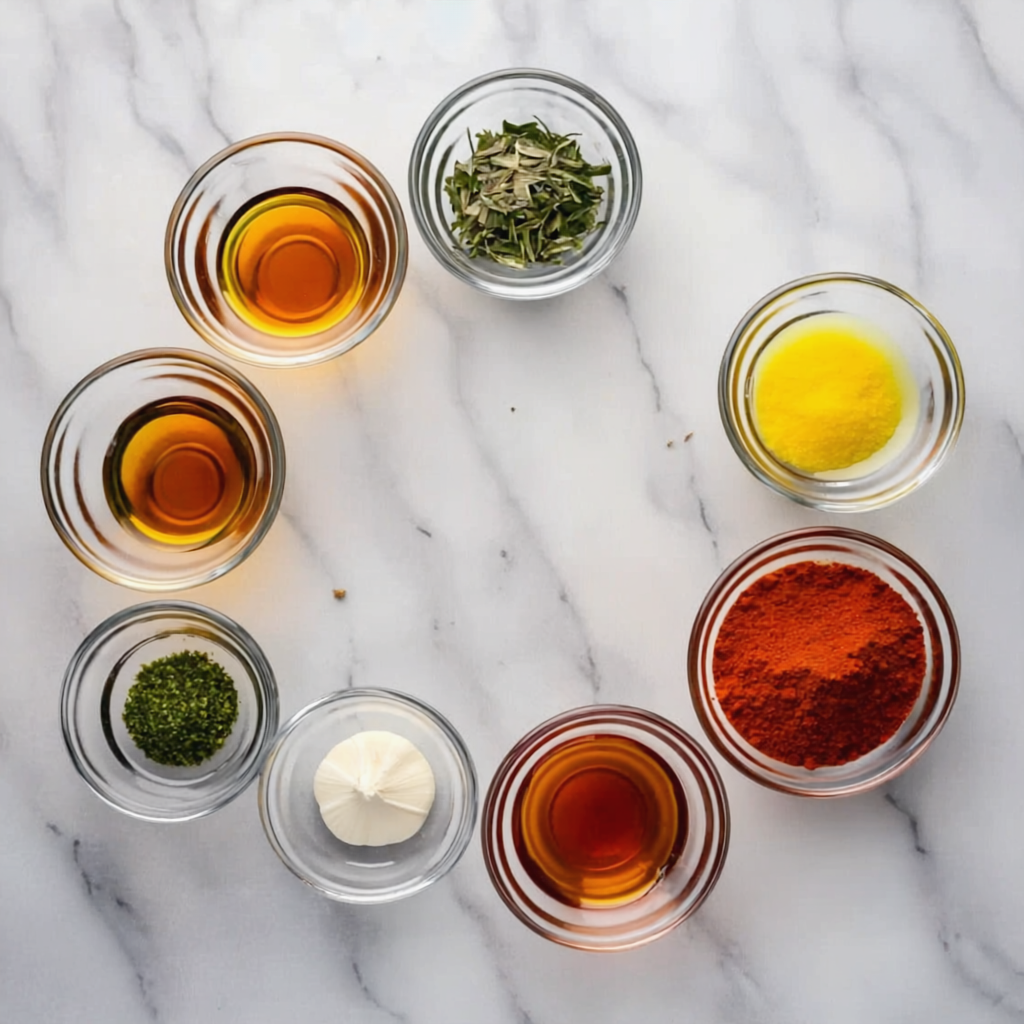
Pre-measure ingredients to streamline the sauce-making process.
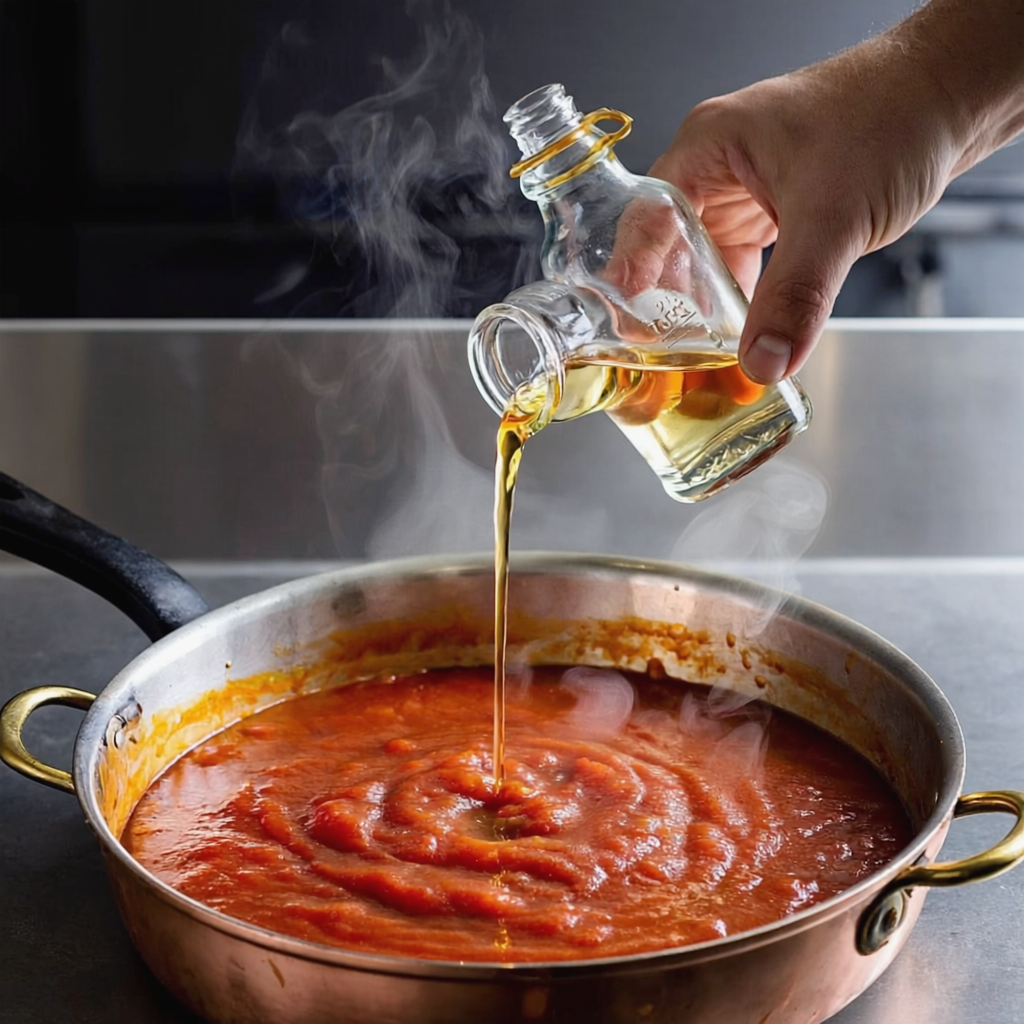
Add unexpected liquids like wine gradually to control flavor.
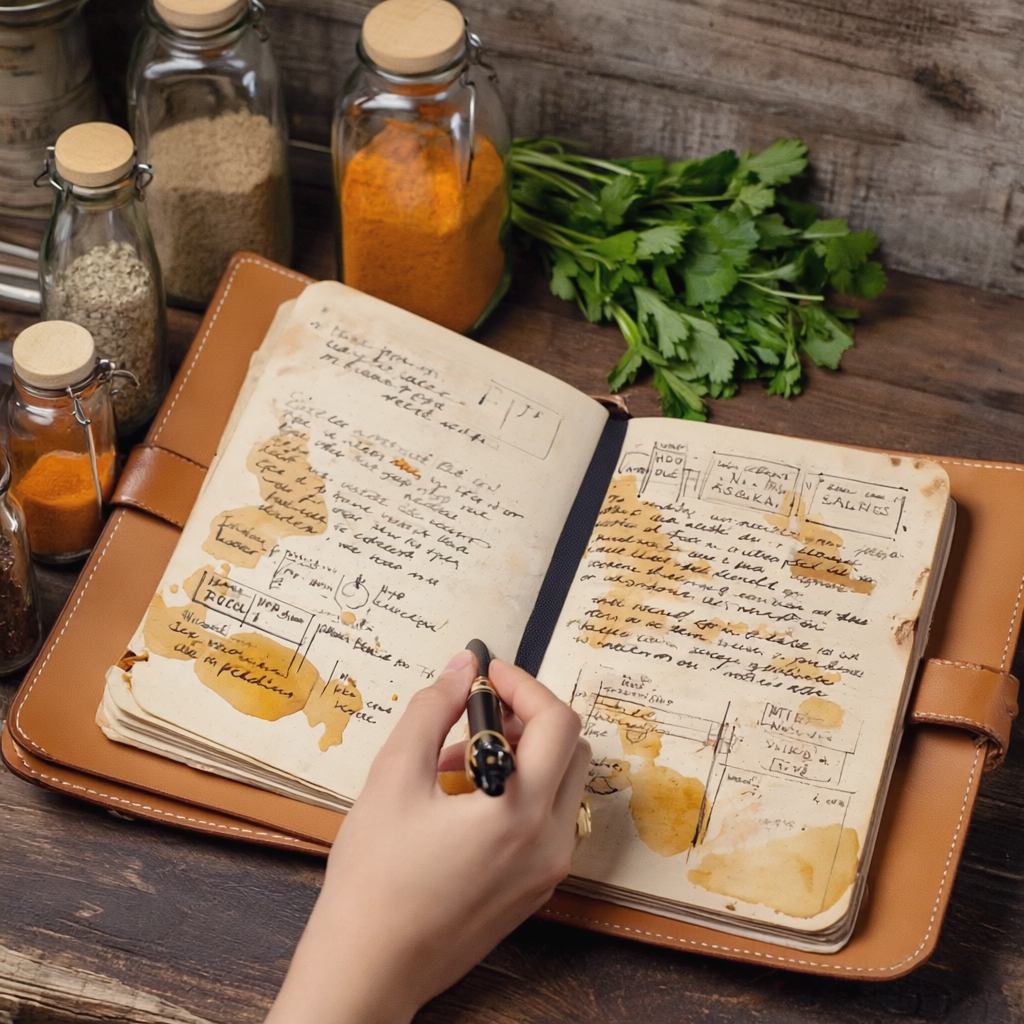
Keep a notepad to track adjustments for future reference.