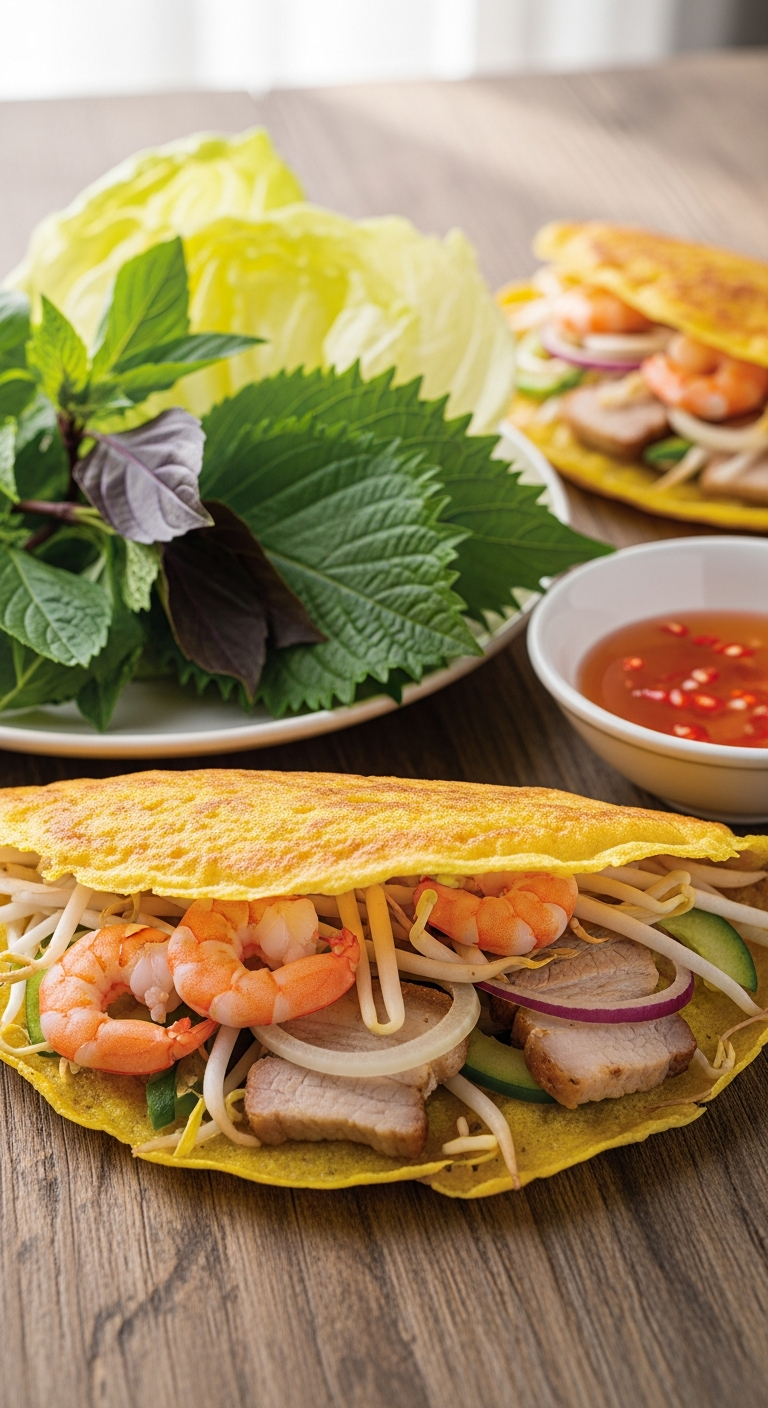
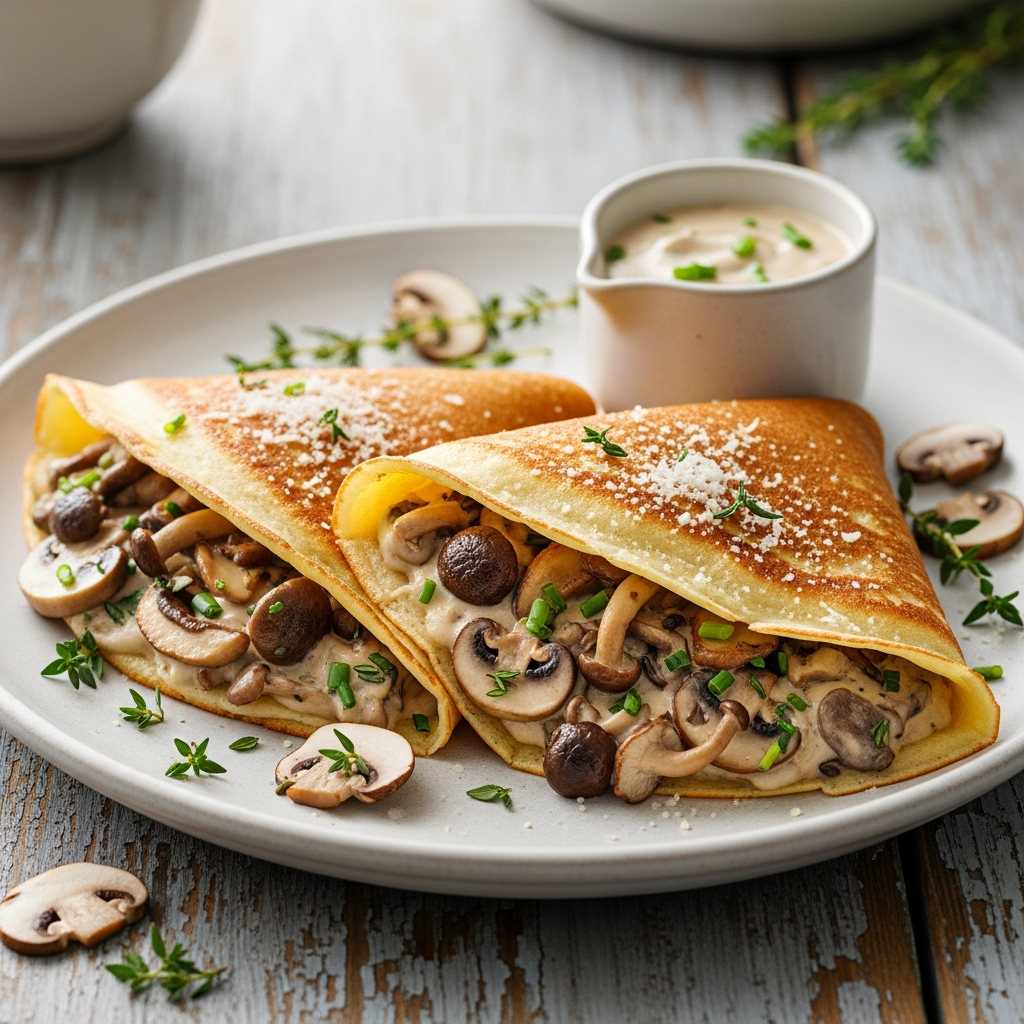
Week 50: Culinary Fusion & Innovation: Blending Traditions for Unique Dishes
0:00 / 0:00
Generating audio...

⏱ 3 min read
📝 552 words
Welcome to Culinary Fusion Innovation Blending Traditions for Unique Dishes! In this lesson, youll learn how to creatively blend different culinary traditions to create innovative and delicious dishes.
Welcome to Culinary Fusion & Innovation: Blending Traditions for Unique Dishes!
In this lesson, you'll learn how to creatively blend different culinary traditions to create innovative and delicious dishes. We'll explore key techniques, essential tips, and variations to help you master the art of fusion cooking.
Objective: Create a dish that combines elements from at least two different food cultures.
Ingredients:
- Choose a base ingredient (e.g., rice, pasta, or tortillas)
- Protein option (e.g., chicken, tofu, or shrimp)
- Vegetables (select a mix from diverse cuisines: e.g., bell peppers, bok choy, zucchini)
- Spices and herbs (e.g., cumin, ginger, basil)
- Sauces and condiments (e.g., soy sauce, salsa, curry paste)
Step-by-Step Instructions:
- Research and Select your Cuisines:
- Choose at least two culinary traditions (e.g., Mexican and Asian).
- Understand their flavor profiles, common ingredients, and cooking methods.
- Plan Your Dish:
- Decide how you will incorporate elements from both cuisines (e.g., Teriyaki Chicken Tacos).
- Sketch a rough idea of your dish's composition (ingredients and presentation).
- Prepare Your Ingredients:
- Wash and chop vegetables into uniform sizes for even cooking.
- Marinate protein with a mix of spices and components from both cuisines.
- Cook Your Base:
- If using rice, cook it according to package instructions, adding spices relevant to your chosen cuisines to the cooking water for flavor.
- For pasta, cook until al dente, and consider tossing it with an appropriate sauce inspired by your flavor profiles.
- Sauté Your Protein and Vegetables:
- Heat a pan over medium-high heat and add oil.
- Add your marinated protein and cook until browned and cooked through.
- In the same pan, add vegetables that complement your dish and cook until tender.
- Combine and Adjust Flavor:
- Combine the cooked base with the sautéed protein and vegetables.
- Taste and adjust with additional seasonings or sauces to balance the flavors from both cuisines.
- Plate Your Dish:
- Presentation is key in fusion cooking; consider color contrast and arrangement.
- Add garnishes that represent both cuisines (e.g., fresh cilantro and lime zest for Mexican and sesame seeds for Asian).
Key Techniques:
- Marination: Infusing protein with flavors from one cuisine while keeping cooking methods from another enhances depth.
- Layering Flavors: Combine herbs and spices from both traditions at different cooking stages for complexity.
- Cooking Method Variations: Experimenting with techniques (grilling, steaming, baking) from different traditions can produce unique textures and flavors.
Tips:
- Balance strong flavors and avoid overwhelming combinations.
- Test small batches of unconventional combinations before scaling up.
- Keep textures in mind-pair crunchy vegetables with softer proteins for contrast.
Common Mistakes to Avoid:
- Overpowering one cuisine at the expense of the other. Aim for harmony.
- Ignoring traditional cooking methods; some techniques enhance flavors better in specific cuisines.
- Skipping the taste test; always adjust flavors based on your palate.
Variations:
- Swap out proteins and alter the cooking method to fit other cuisines (e.g., use spicy chickpeas instead of chicken and Indian spices for a vegetarian dish).
- Change the base ingredient to accommodate different dietary needs (e.g., quinoa or cauliflower rice instead of traditional carbs).
- Incorporate international sauces or garnishes that elevate the dish (e.g., chimichurri, tzatziki, or dashi).
Conclusion: Culinary fusion is an exciting way to explore gastronomic creativity. By understanding and respecting the traditions you're blending while allowing your personal touch to shine through, you can create truly unique dishes. Happy cooking!
Lesson Tips
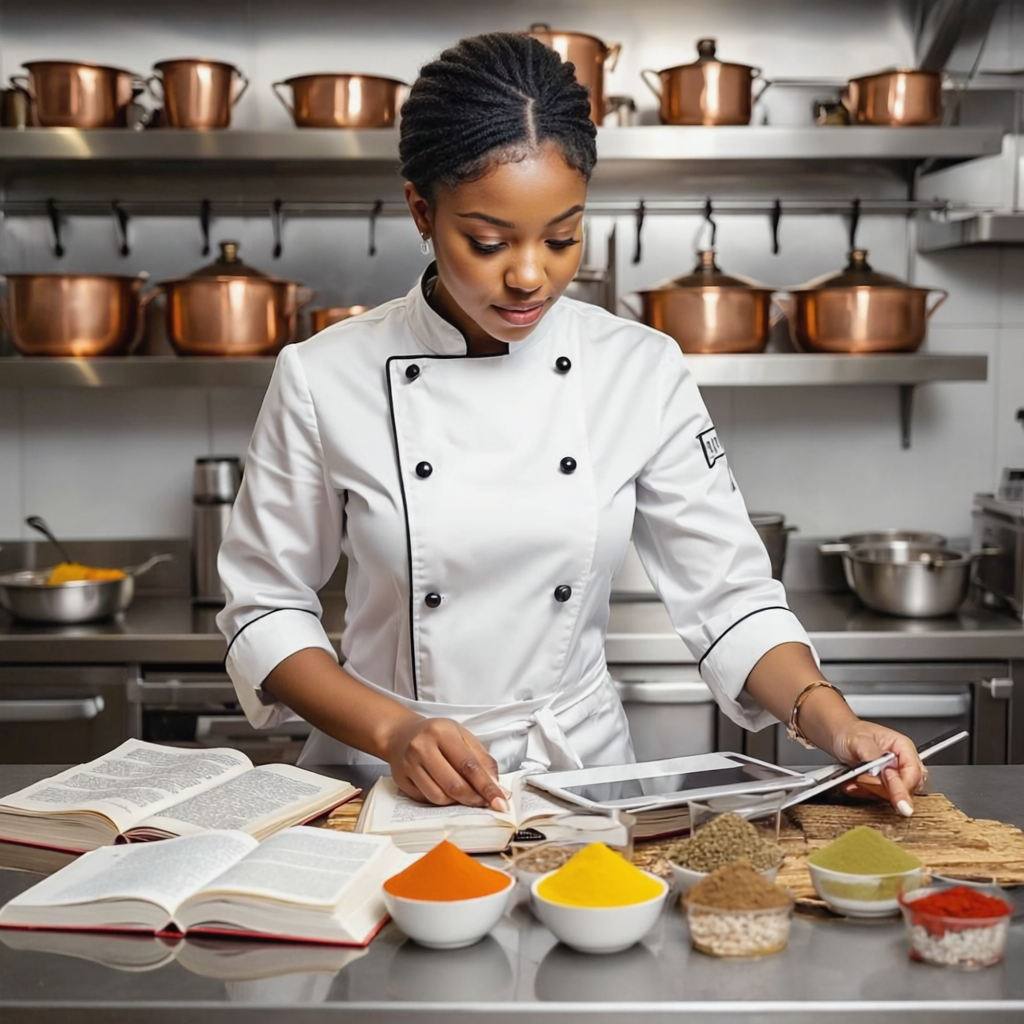
Research flavor profiles of chosen cuisines to enhance dish creativity.
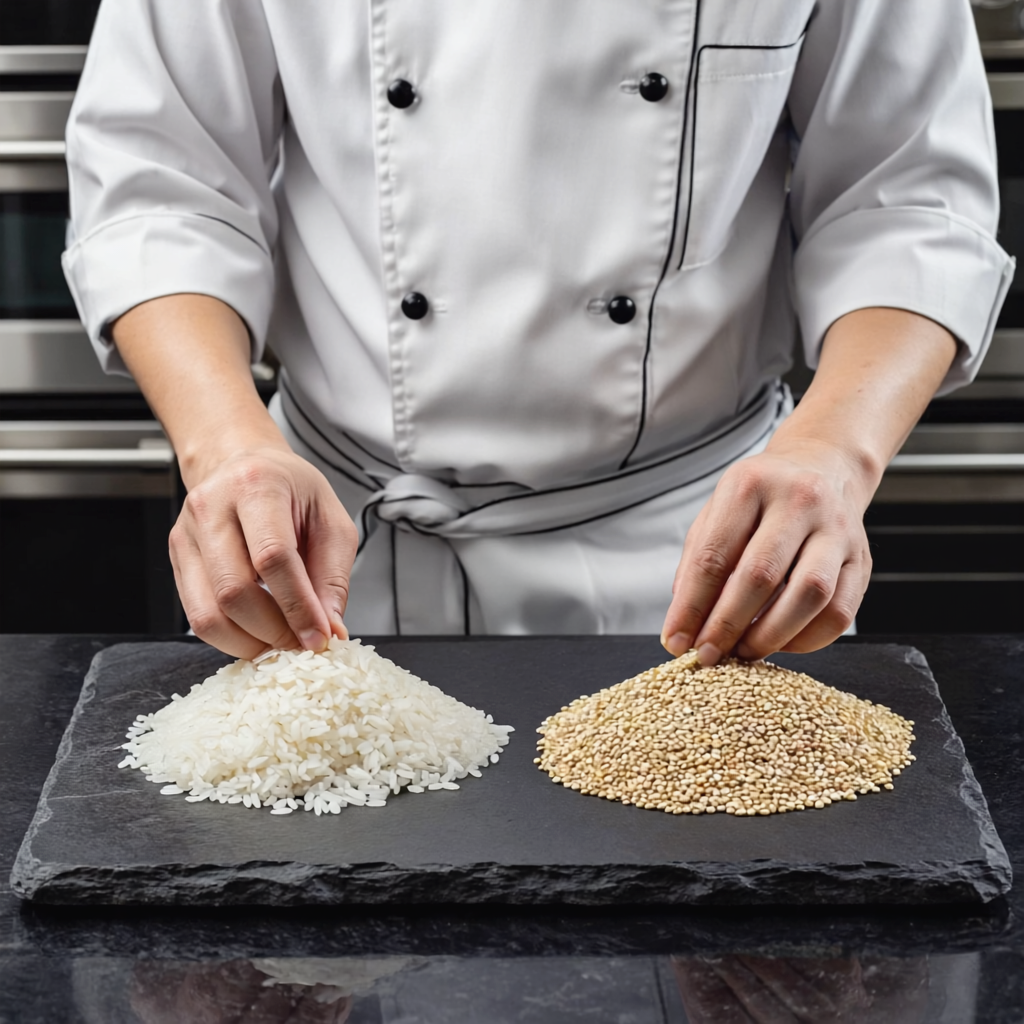
Use a base ingredient that complements both culinary traditions.
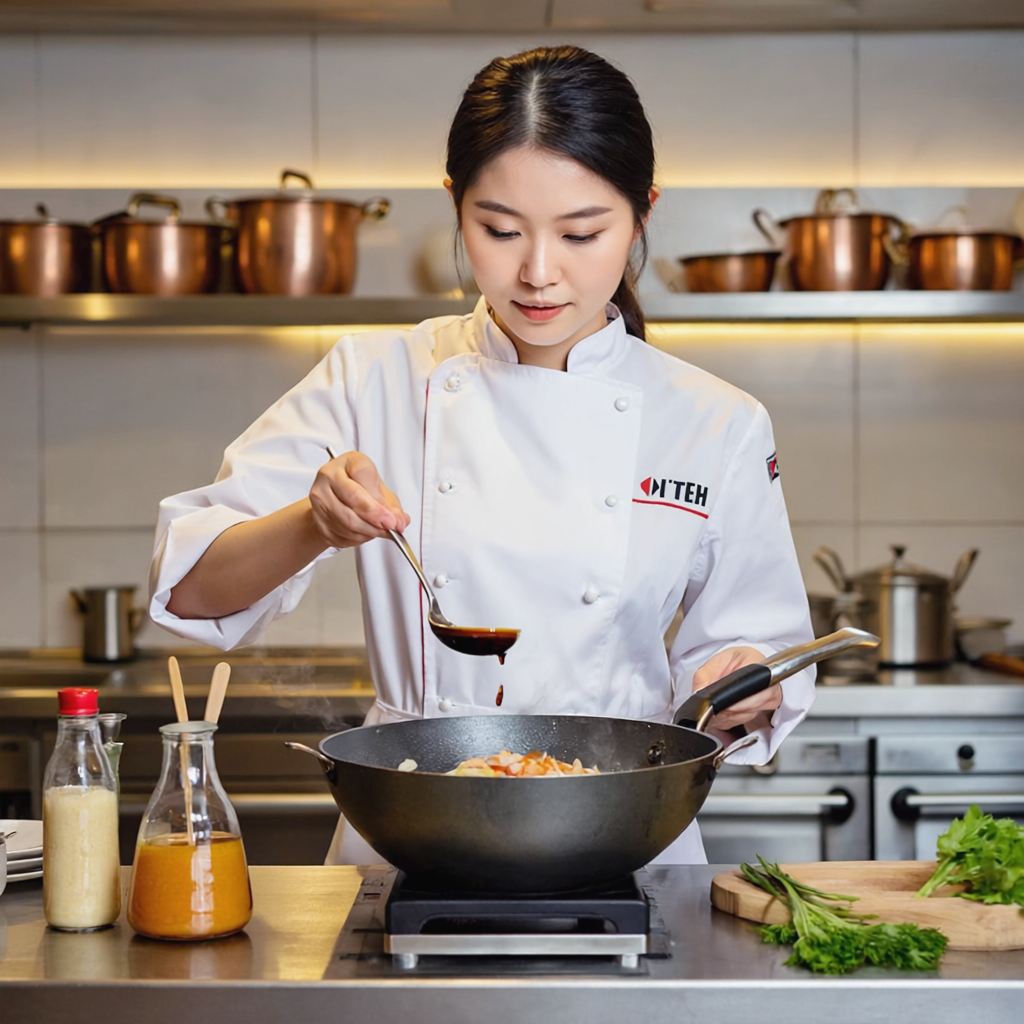
Balance strong flavors carefully to avoid overwhelming the dish.