Homemade Pasta Craft Fresh, Delicious Pasta at Home
Making pasta from scratch is both a satisfying and rewarding culinary experience. This lesson will guide you through the process of crafting fresh pasta, from selecting ingredients to rolling and shaping the dough.
Homemade Pasta: Craft Fresh, Delicious Pasta at Home
Making pasta from scratch is both a satisfying and rewarding culinary experience. This lesson will guide you through the process of crafting fresh pasta, from selecting ingredients to rolling and shaping the dough. Whether you're a beginner or hoping to refine your skills, you'll find valuable tips and techniques here.
Ingredients
- 2 cups all-purpose flour (or 00 flour for a more authentic texture)
- 3 large eggs
- 1/2 teaspoon salt
- Semolina flour (for dusting)
Equipment
- Mixing bowl
- Fork or whisk
- Plastic wrap or a clean kitchen towel
- Pasta machine (optional, but helpful)
- Rolling pin (if not using a pasta machine)
- Sharp knife or pasta cutter
Step-by-Step Instructions
Step 1: Prepare the Dough
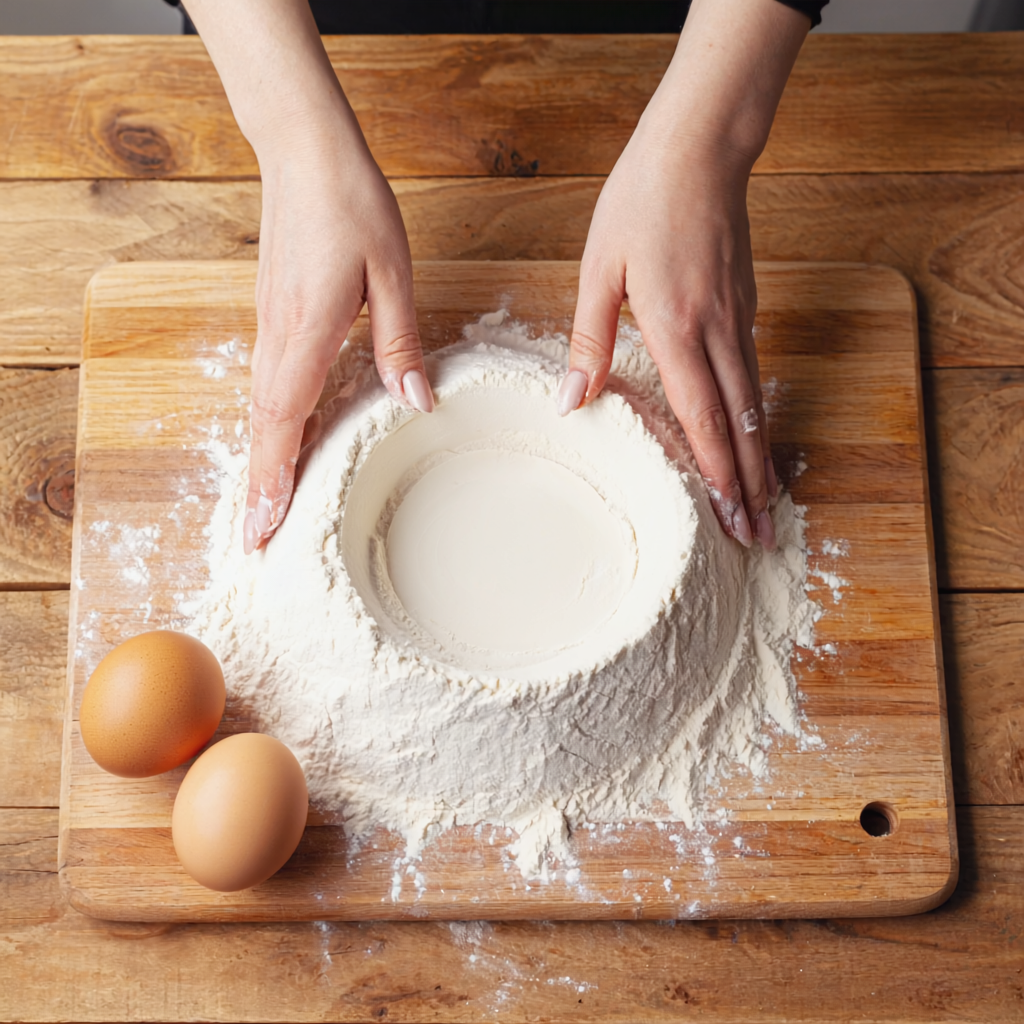
- In a large mixing bowl, mound the flour and create a well in the center.
- Crack the eggs into the well and add the salt.
- Using a fork, beat the eggs gently, gradually incorporating the flour from the edges of the well.
- Continue until the mixture forms a shaggy dough.
Step 2: Knead the Dough
- Transfer the dough to a lightly floured surface.
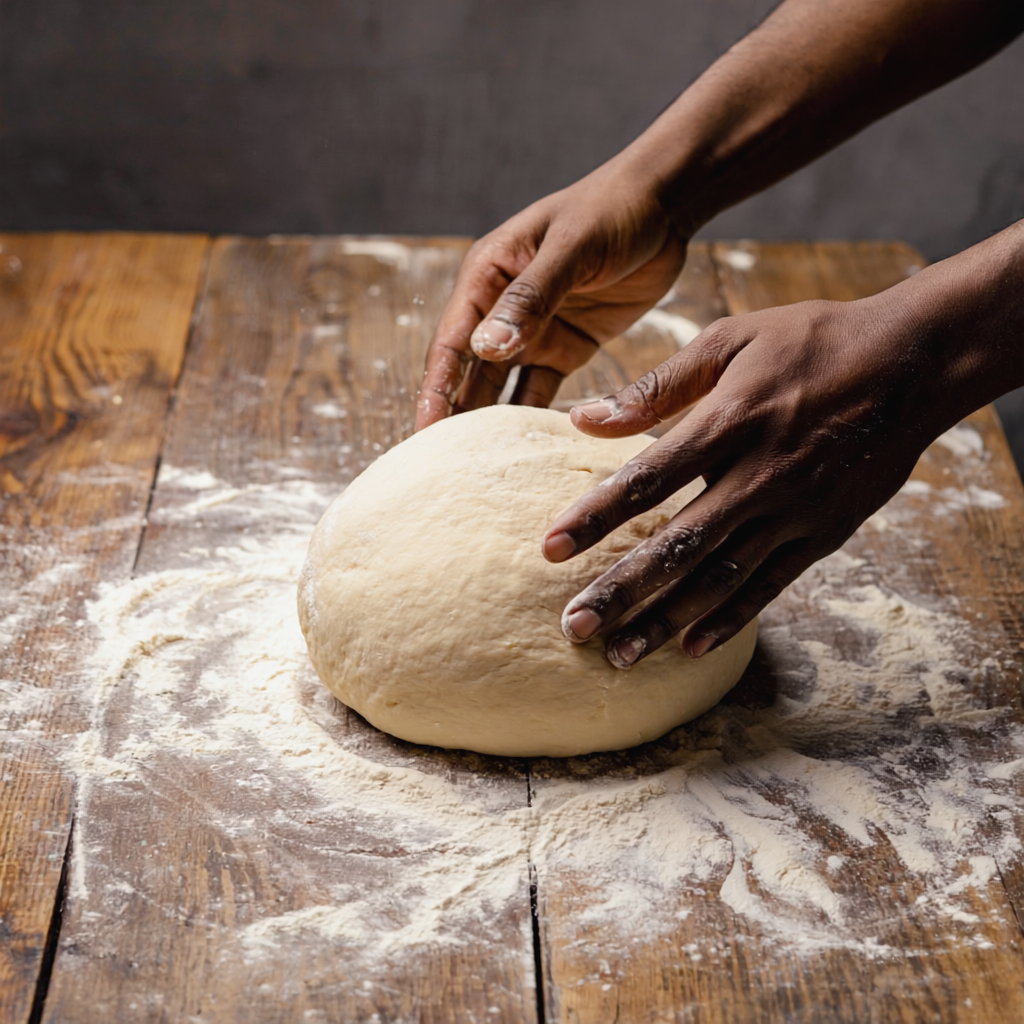
- Knead the dough for about 8-10 minutes until it becomes smooth and elastic; add a little flour if it's too sticky.
- Form the dough into a ball, wrap it in plastic wrap or cover with a kitchen towel, and let it rest for at least 30 minutes at room temperature.
Step 3: Roll Out the Dough
- After resting, divide the dough into four pieces for easier handling.
- Using a rolling pin or a pasta machine, flatten one piece of dough to about 1/8 inch thickness, keeping the rest covered to prevent drying.
- As you roll, dust with semolina flour to avoid sticking and to achieve a nice texture.
Step 4: Cut the Pasta
- Once rolled out, you can cut your pasta into desired shapes:
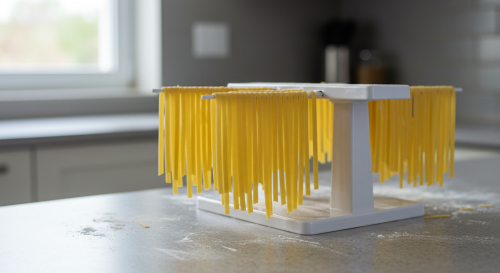
- Fettuccine: Roll the sheet loosely and slice into strips.
- Lasagna: Cut into rectangles.
- Tagliatelle: Similar to fettuccine but slightly thicker.
- Dust the cut pasta with more semolina flour to prevent sticking.
Step 5: Cook the Pasta
- Bring a large pot of salted water to a boil.
- Add the fresh pasta and cook for 2-4 minutes. Fresh pasta cooks much faster than dried pasta.
- Taste a piece to check for doneness, then drain and toss with your favorite sauce.
Key Techniques
- Creating a well: This helps to contain the eggs while incorporating flour.
- Kneading: Develops gluten for elasticity; knead until dough is smooth and bounces back when pressed.
- Rolling: Keep the thickness uniform for even cooking.
Tips
- Use room temperature eggs for better emulsification.
- Allow the dough to rest; it relaxes gluten, making it easier to roll out.
- Experiment with different flours, like semolina or whole wheat, for unique flavors and textures.
Common Mistakes to Avoid
- Using cold eggs or not allowing the dough to rest.
- Not adequately flouring the work surface or the pasta itself, leading to sticking.
- Overcooking the fresh pasta - remember, it cooks much faster than dried pasta!
Variations
- Flavored Pasta: Add ingredients like spinach, beet, or squid ink to the dough for color and flavor.
- Stuffed Pasta: Prepare fillings such as ricotta cheese or meat for ravioli or tortellini.
- Alternative Flours: Try gluten-free flour blends for a gluten-free pasta option.
With these steps, tips, and variations, you're well on your way to mastering the art of homemade pasta. Enjoy the process and the delicious results!

![Mastering Pasta: The Art and Practice of Handmade Pasta, Gnocchi, and Risotto [A Cookbook]](https://m.media-amazon.com/images/I/A1SrB2ADxfL._AC_UL960_FMwebp_QL65_.jpg)