Week 8: Perfect Risotto
0:00 / 0:00
Generating audio...
⏱ 4 min read
📝 635 words
Welcome to the world of risotto, a classic Italian dish that embodies the art of slow cooking and mindful stirring. Risotto is not just a meal its a culinary experience that teaches patience and precision, resulting in a creamy, dreamy dish thats well worth the effort.
Welcome to the world of risotto, a classic Italian dish that embodies the art of slow cooking and mindful stirring. Risotto is not just a meal; it's a culinary experience that teaches patience and precision, resulting in a creamy, dreamy dish that's well worth the effort. In this lesson, you'll learn how to make the perfect risotto, mastering techniques that transform humble rice into a luxurious feast for the senses.
Understanding the key elements of risotto will elevate your cooking skills and deepen your appreciation for Italian cuisine. We'll delve into the art of selecting the right rice, balancing flavors, and achieving the perfect texture. By the end of this lesson, you'll have the know-how to create a risotto that can stand alone or serve as a canvas for a variety of ingredients.
Key Concepts
To make a perfect risotto, you need to understand a few fundamental principles:
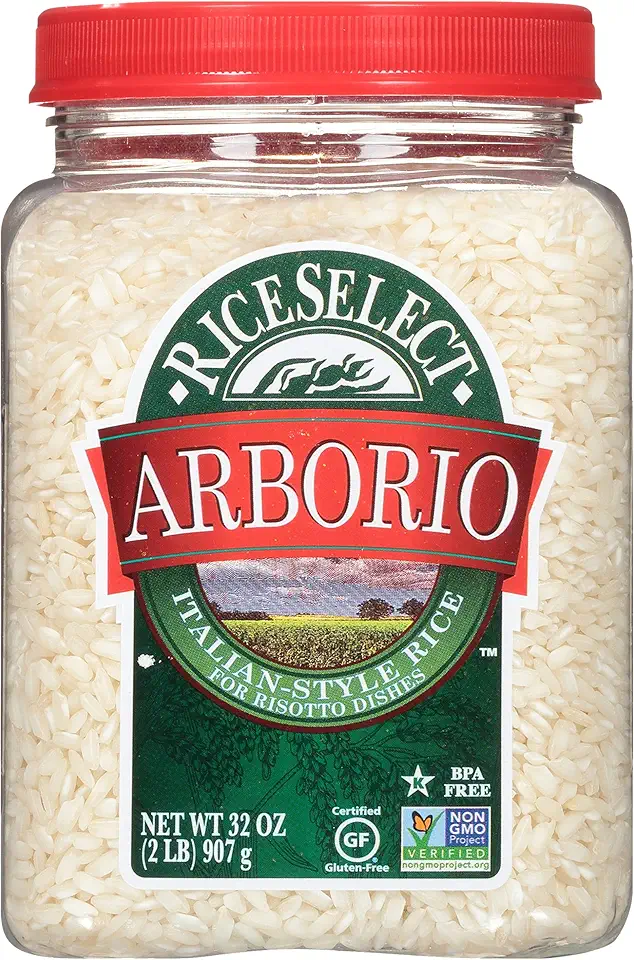
- Rice Selection: Choose a short-grain rice like Arborio, Carnaroli, or Vialone Nano. These varieties have high starch content, which is essential for the creamy texture characteristic of risotto.
- Broth: Use a high-quality broth, whether it's chicken, vegetable, or seafood. The broth should be heated, as adding cold broth can shock the rice and disrupt the cooking process.
- Stirring: Stirring is crucial. It helps release the rice's starches, which contributes to the creamy texture. However, too much stirring can result in a gluey texture.
- Timing: Risotto requires about 18-20 minutes of cooking. Timing is key to achieving rice that is al dente, meaning it should be firm to the bite but not hard.
Step-by-Step Instructions
- Heat 6 cups of broth in a saucepan and keep it warm over low heat.
- In a large pan, heat 2 tablespoons of olive oil over medium heat. Add 1 finely chopped onion and sauté until translucent.
- Add 2 cups of Arborio rice to the pan, stirring to coat the grains with oil, and toast for about 1-2 minutes.
- Pour in 1/2 cup of dry white wine, stirring until the wine is absorbed.
- Add a ladleful of warm broth to the rice, stirring gently until the liquid is absorbed. Repeat this process, one ladleful at a time, allowing each to absorb before adding the next.
- After about 15 minutes, begin tasting the rice for doneness. It should be creamy with a slight bite.
- Once the rice is cooked to your liking, remove from heat and stir in 1/2 cup of grated Parmesan cheese and 2 tablespoons of butter. Season with salt and pepper to taste.
- Let the risotto rest for a minute before serving to allow the flavors to meld.
Tips and Techniques
- Consistent Heat: Maintain a gentle simmer to keep the cooking process consistent.
- Don't Rush: Avoid the temptation to add too much broth at once. Patience is key for perfect risotto.
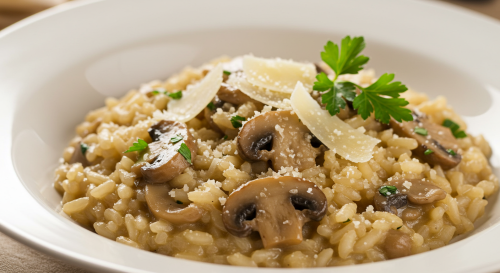
- Flavor Layering: Consider adding sautéed mushrooms, peas, or saffron for additional depth.
- Common Mistakes: Avoid using long-grain rice, which lacks the necessary starch, and never rinse the rice before cooking.
Variations and Substitutions
Risotto is highly adaptable. Here are some variations:
- Vegetarian: Use vegetable broth and add seasonal vegetables such as asparagus or zucchini.
- Seafood: Incorporate shrimp or scallops for a luxurious touch, using seafood broth for extra flavor.
- Vegan: Omit the cheese and butter, and add nutritional yeast for a cheesy flavor.
- Whole Grain: Substitute with farro or barley for a nutty flavor and added nutrition; adjust cooking time accordingly.
Conclusion
Congratulations on mastering the art of risotto! This dish is a testament to the beauty of simplicity and the power of technique. Store any leftovers in an airtight container in the refrigerator for up to three days. Reheat gently with a splash of broth to restore its creamy consistency. As you continue your culinary journey, remember that the skills you've learned in making risotto-patience, timing, and flavor balancing-are foundational to many other dishes. Buon appetito!
Lesson Tips
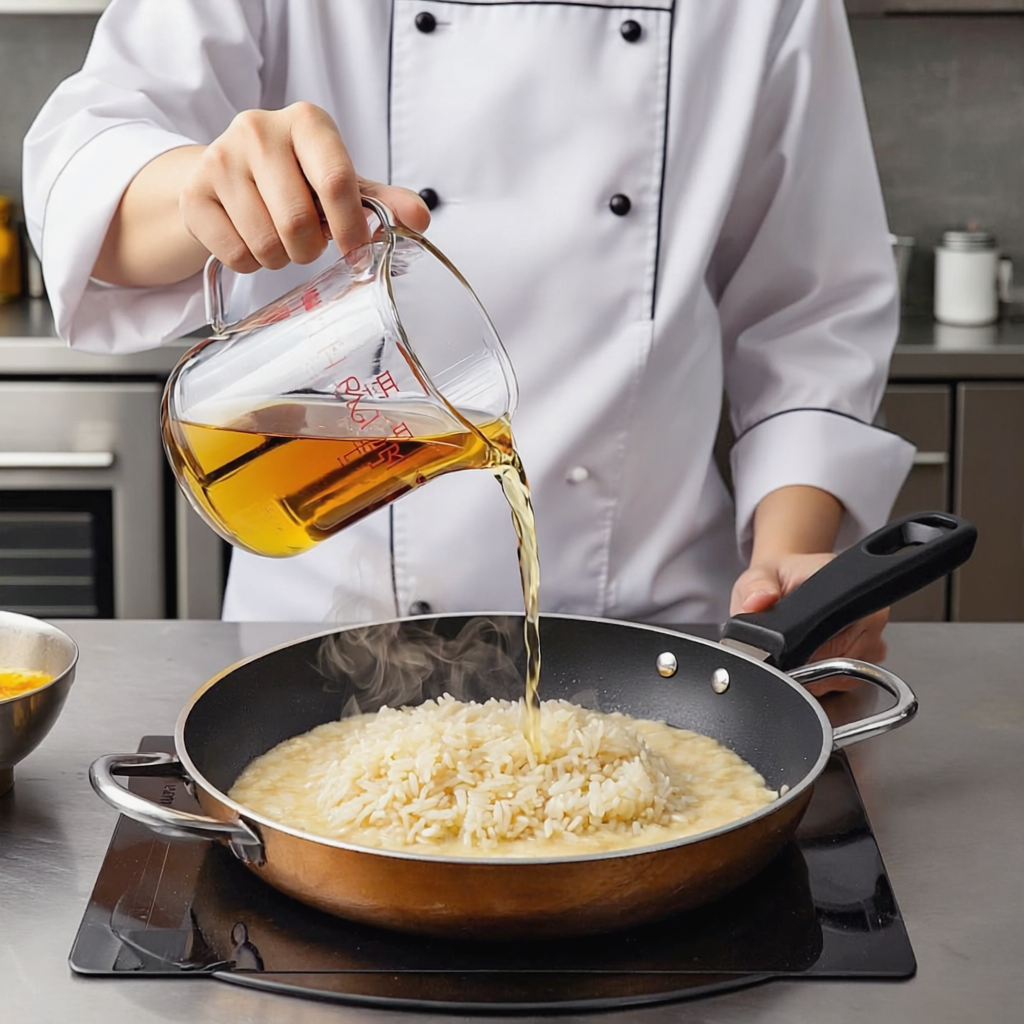
Use a good quality stock to enhance the flavor of your risotto.
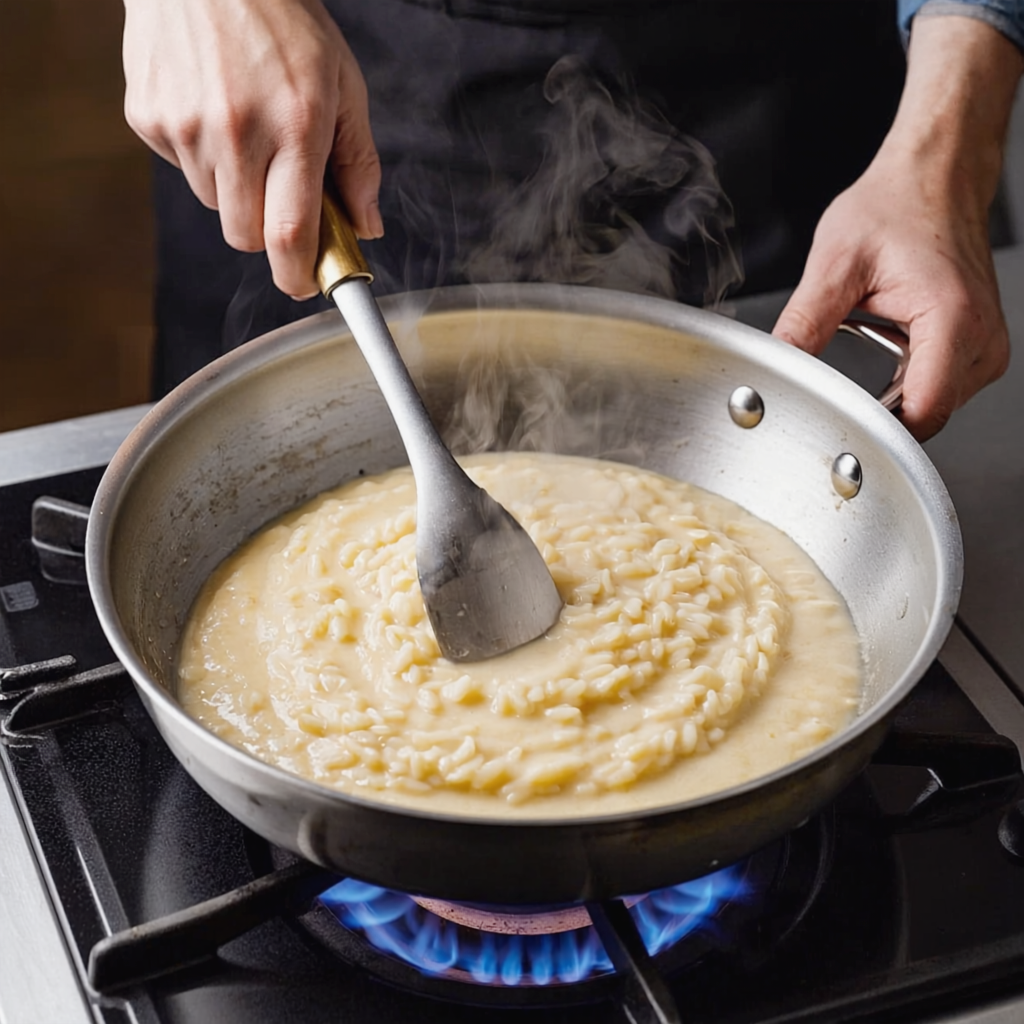
Stir frequently to release starches for a creamy texture.
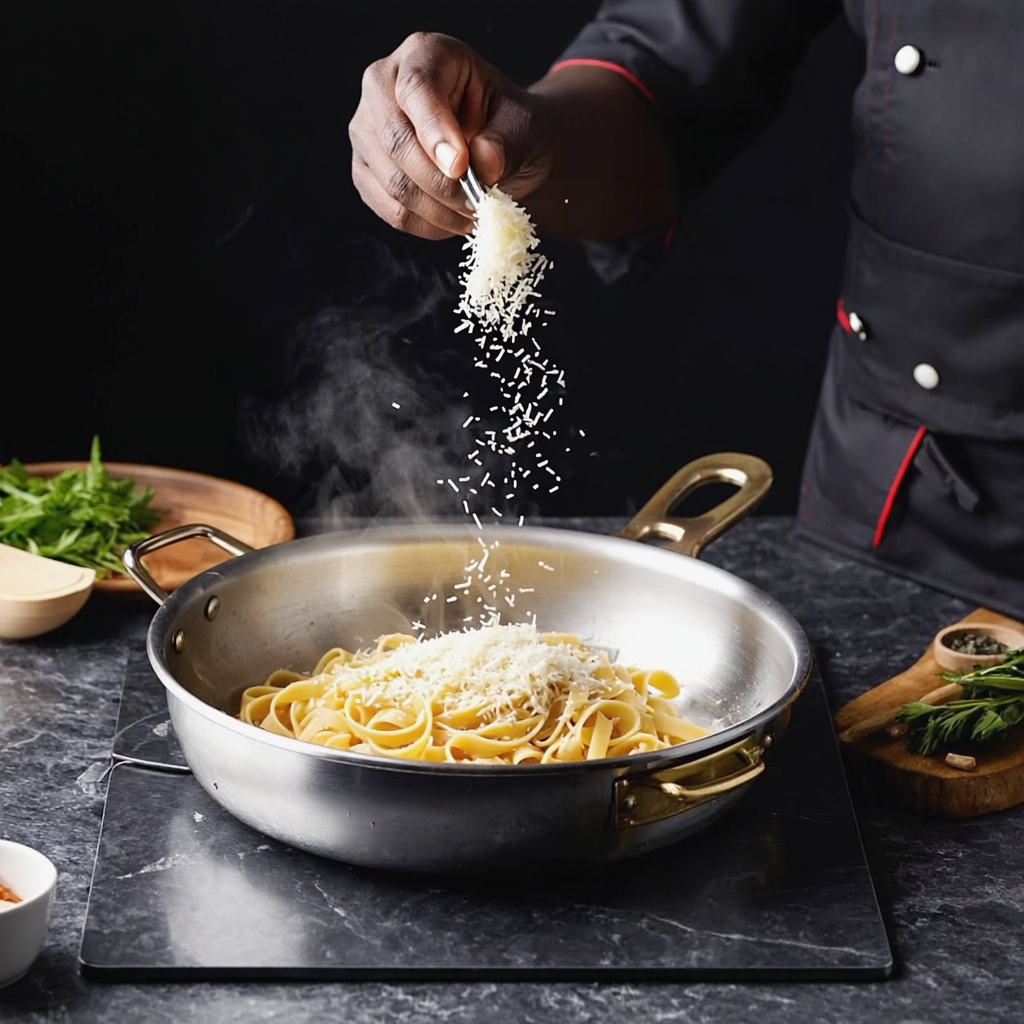
Add cheese at the end for richness and depth of flavor.