Week 9: Baking Bread: The Art of Perfect Loaves
0:00 / 0:00
Generating audio...
⏱ 3 min read
📝 577 words
Introduction
Baking bread is an ancient art that has been nourishing societies for millennia. With its comforting aroma and satisfying texture, a perfect loaf of bread is both a culinary delight and a symbol of home.
Introduction:
Baking bread is an ancient art that has been nourishing societies for millennia. With its comforting aroma and satisfying texture, a perfect loaf of bread is both a culinary delight and a symbol of home. In this lesson, we will explore the essential techniques and ingredients needed to bake beautiful, delicious bread from scratch. Whether you're a novice or a seasoned baker, you'll learn the skills necessary to create loaves that are both visually stunning and delectably satisfying.
Throughout this lesson, we will demystify the bread-making process, guiding you through each step with clarity and precision. By the end, you will understand how the magical combination of flour, water, yeast, and salt transforms into a loaf of bread full of flavor and warmth.
Key Concepts:
- Flour: The foundation of your bread. Different flours impact flavor and texture; bread flour is ideal for its high protein content.
- Yeast: The leavening agent that makes dough rise. Understanding how yeast works is crucial for successful bread making.
- Kneading: Develops gluten, giving bread its structure. Proper kneading is key to a good crumb and rise.
- Fermentation: Time for the dough to rise, which develops flavor and texture. Patience is essential at this stage.
- Baking: The final transformation. Temperature and timing affect the crust and crumb.
Step-by-Step Instructions:
- Gather Ingredients: 500g bread flour, 10g salt, 7g instant yeast, 350ml water.
- Mix Ingredients: In a large bowl, combine the flour and salt. Dissolve yeast in water and add to the flour mixture. Stir until a shaggy dough forms.
- Knead Dough: Turn the dough onto a floured surface and knead for about 10 minutes until smooth and elastic.
- First Rise: Place the dough in a lightly oiled bowl, cover with a damp cloth, and let it rise in a warm place for 1-2 hours until doubled in size.
- Shape Dough: Gently deflate the dough, shape it into a loaf, and place it on a parchment-lined baking sheet.
- Second Rise: Cover the loaf with a damp cloth and let it rise again for 30-45 minutes.
- Preheat Oven: While the dough rises, preheat the oven to 220°C (425°F).
- Score and Bake: Make shallow cuts on the top of the loaf with a sharp knife. Bake for 25-30 minutes until golden brown and hollow-sounding when tapped.
- Cool: Let the bread cool completely on a wire rack before slicing.
Tips and Techniques:
- Temperature: Keep ingredients at room temperature unless specified otherwise.
- Hydration: Adjust water as needed; dough consistency can vary with humidity.
- Kneading: If using a mixer, knead for 6 minutes on medium speed.
- Common Mistakes: Avoid over-flouring your surface; too much flour can make dough tough.
- Professional Tip: For a crisp crust, place a pan of water in the oven during baking.
Variations and Substitutions:
- Whole Wheat Bread: Substitute up to 50% of the bread flour with whole wheat flour for a heartier loaf.
- Gluten-Free: Use a gluten-free flour blend and add 1 tsp of xanthan gum for structure.
- Flavor Additions: Incorporate herbs, seeds, or dried fruits for unique flavor profiles.
Conclusion:
With practice, patience, and the right techniques, baking bread can become a gratifying and rewarding experience. Store your homemade bread in a paper bag at room temperature for up to three days, or freeze for longer storage. Mastering bread baking enhances your overall cooking skills, empowering you to create a variety of baked goods with confidence. As you continue to explore the world of bread, remember that each loaf is a chance to experiment and improve. Happy baking!
Lesson Tips
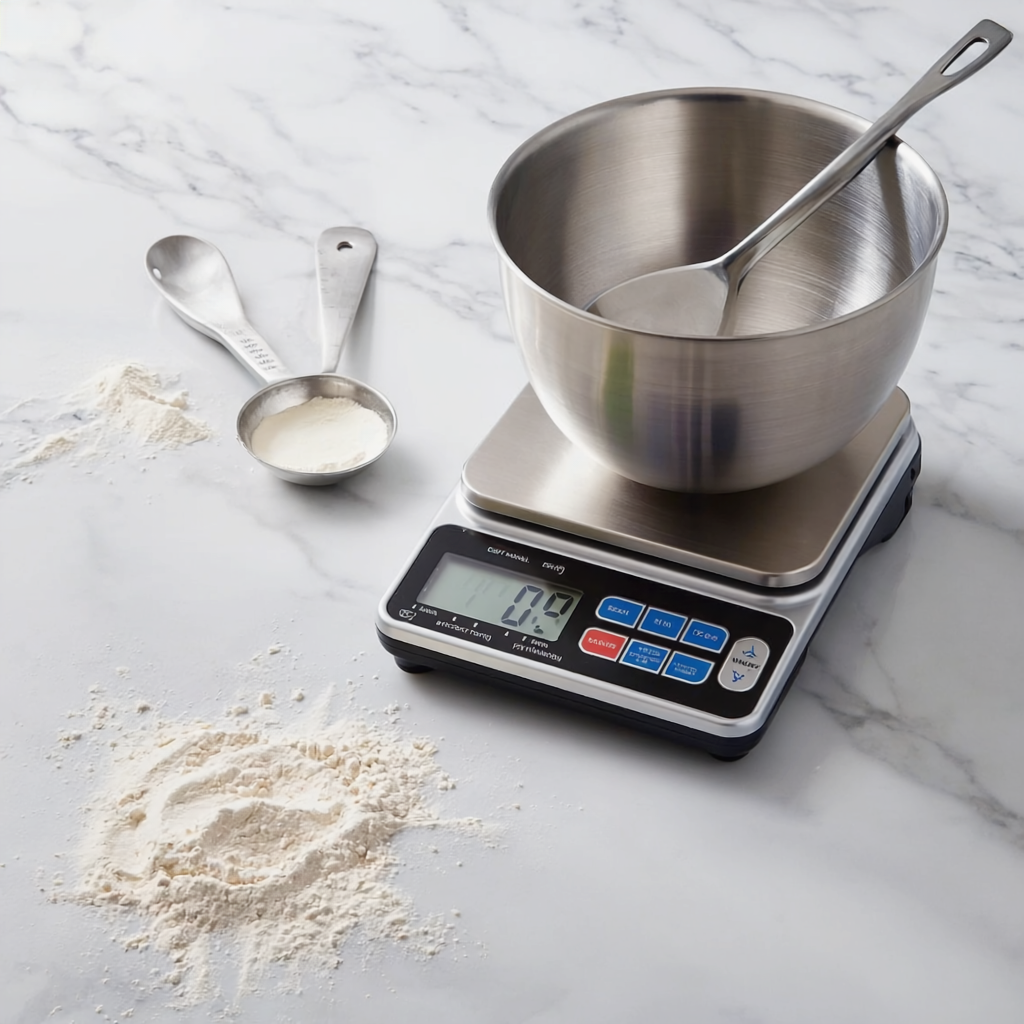
Use a kitchen scale for precise measurements to ensure consistent dough.
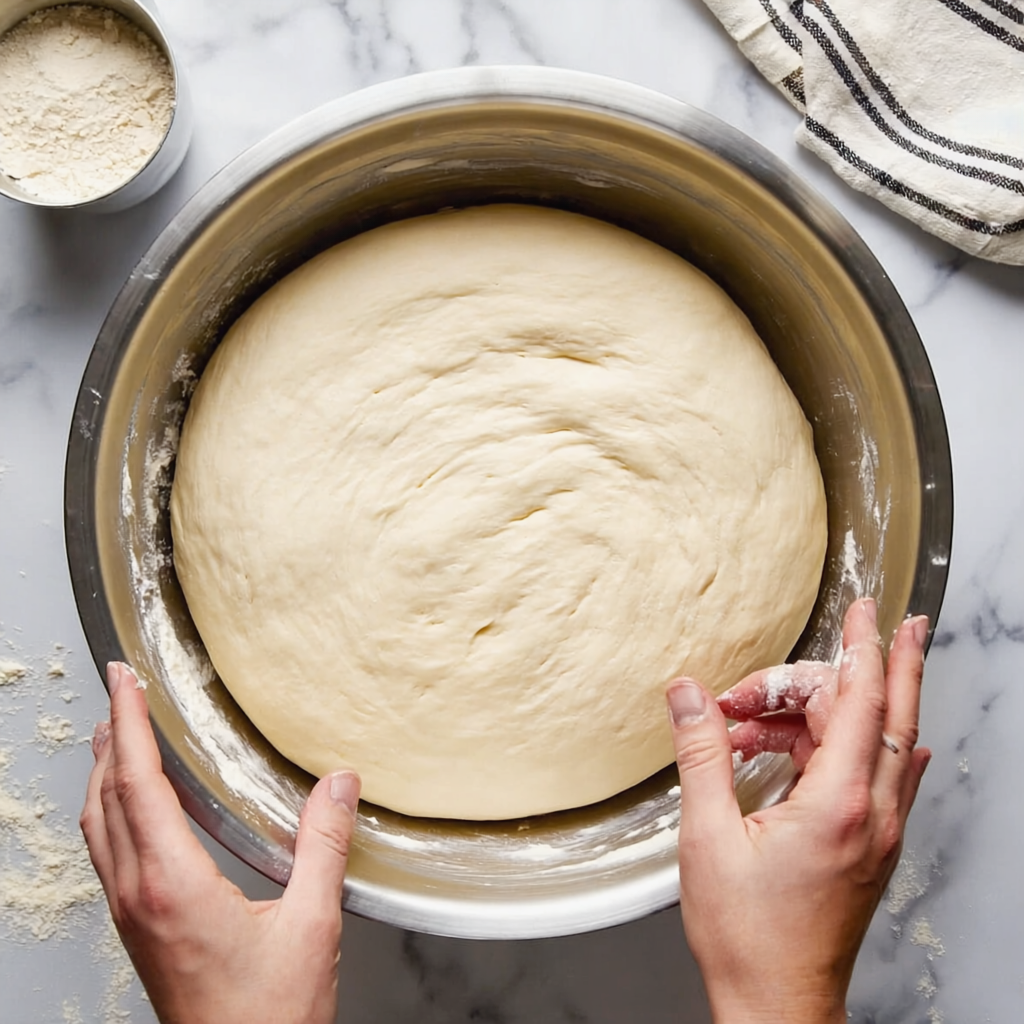
Allow dough to rest for gluten development, improving texture.
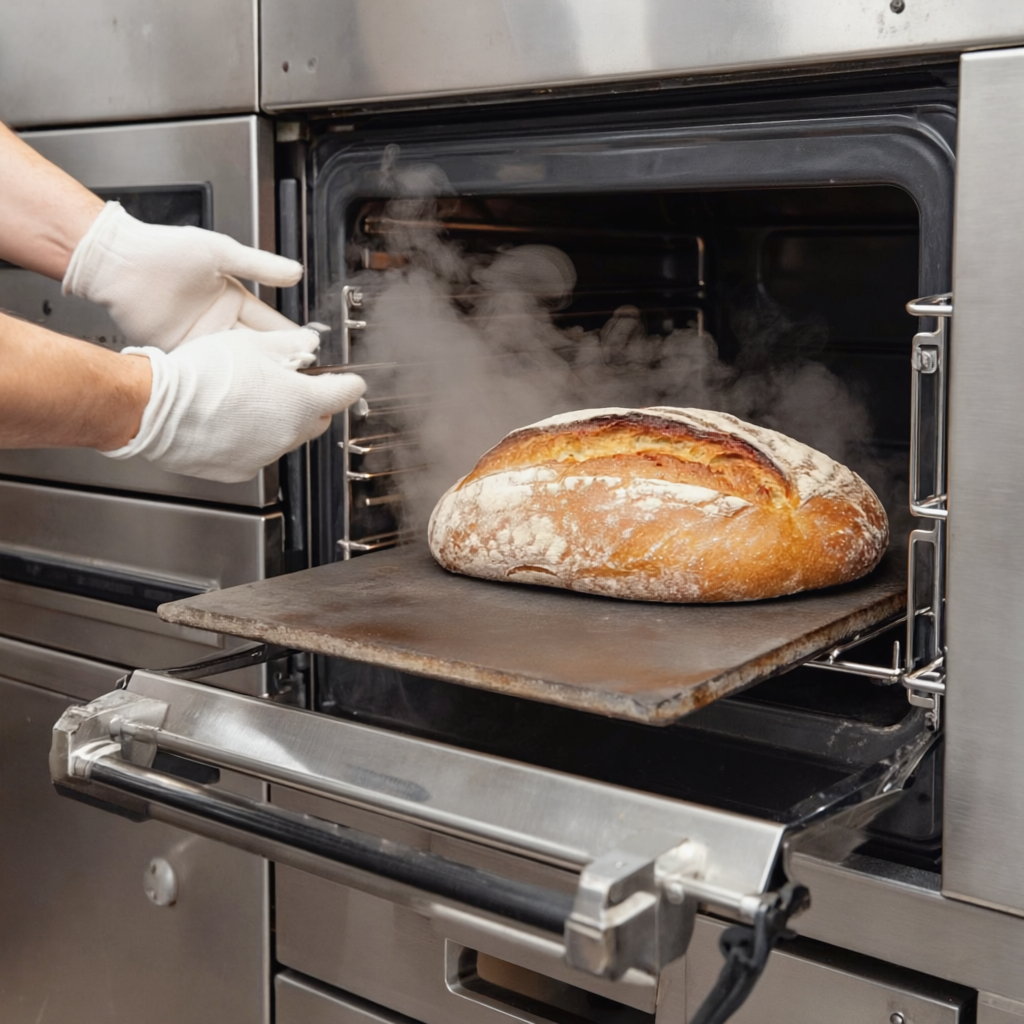
Create steam in the oven to achieve a crisp crust during baking.