Week 13: Stir Fry
0:00 / 0:00
Generating audio...
⏱ 3 min read
📝 578 words
Welcome to our comprehensive cooking lesson on the art of stir-frying! Stir-fry is a versatile and vibrant cooking method that brings a symphony of flavors and textures to your plate.
Welcome to our comprehensive cooking lesson on the art of stir-frying! Stir-fry is a versatile and vibrant cooking method that brings a symphony of flavors and textures to your plate. This quick and dynamic technique, originating from East Asian cuisines, is essential for any home cook looking to expand their culinary repertoire. By the end of this lesson, you'll learn how to create a perfectly balanced stir-fry, understand key techniques, and customize it to suit your personal taste.
Stir-frying is not only a quick way to prepare a meal but also a method that preserves the nutrients and color of fresh ingredients. In this lesson, you'll discover how to select the right ingredients, master the essential techniques, and get creative with variations and substitutions. Let's dive into the sizzling world of stir-fry!
Key Concepts
- High Heat: Stir-frying is all about using high heat to cook ingredients quickly, ensuring they remain crisp and vibrant.
- Preparation: Preparation is crucial. All ingredients should be chopped and ready before you start cooking.
- Balance: A good stir-fry balances proteins, vegetables, and sauces for a harmonious dish.
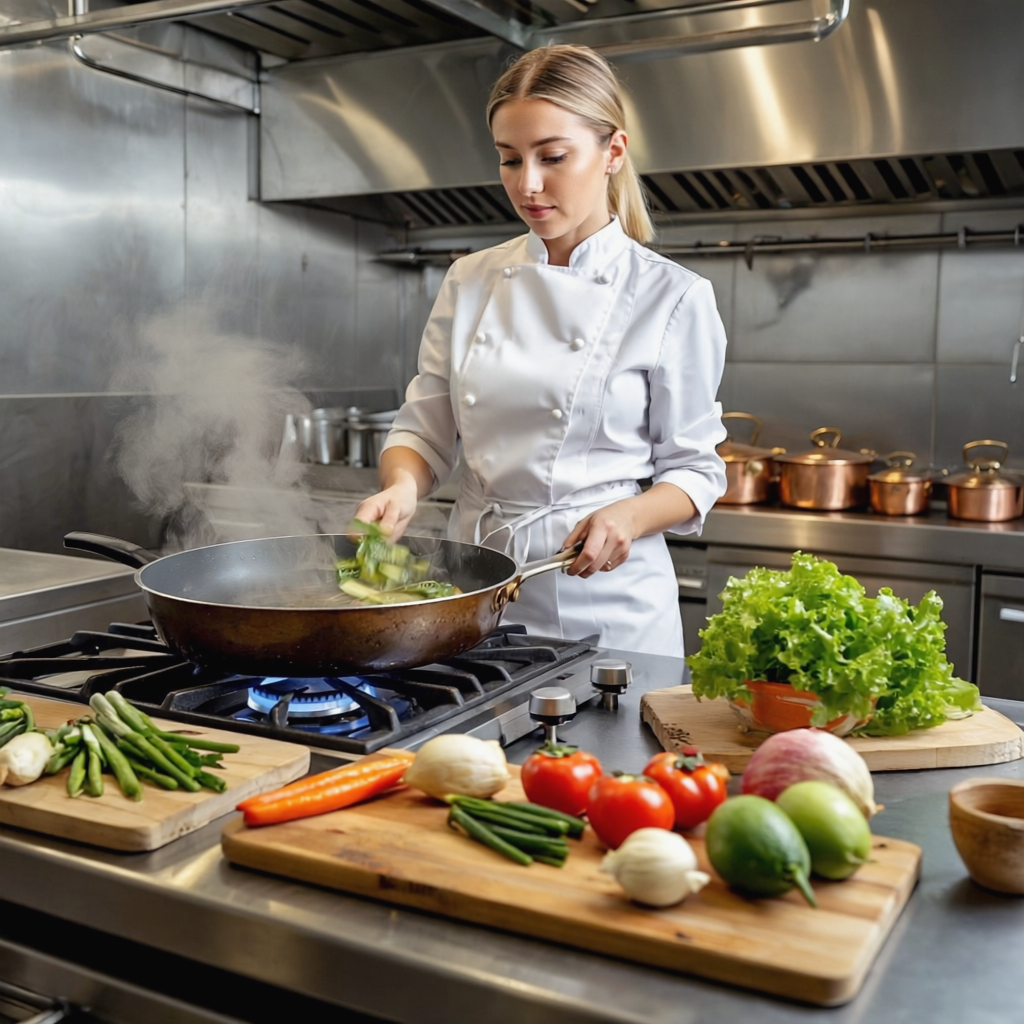
- Order of Cooking: Add ingredients to the wok in stages, starting with those that take longest to cook.
Step-by-Step Instructions
- Gather Ingredients: Choose your protein (chicken, beef, tofu), a variety of colorful vegetables (bell peppers, broccoli, carrots), aromatics (garlic, ginger), and a sauce (soy sauce, oyster sauce).
- Prepare Ingredients: Slice your protein thinly and uniformly. Chop vegetables into bite-sized pieces. Mince garlic and ginger.
- Preheat Your Wok: Heat your wok or large skillet over high heat until it begins to smoke slightly.
- Add Oil: Pour in a couple of tablespoons of oil with a high smoke point, such as canola or peanut oil.
- Cook Protein: Add the protein to the hot oil and stir-fry until browned and just cooked through. Remove and set aside.
- Stir-fry Vegetables: Add more oil if necessary, then the vegetables. Stir-fry for a few minutes until they are vibrant yet still crisp.
- Add Aromatics: Add the minced garlic and ginger to the vegetables, stirring constantly to avoid burning.
- Combine and Sauce: Return the protein to the wok, pour in the sauce, and toss everything together to coat evenly. Cook for an additional minute.
- Serve: Remove from heat and serve immediately with steamed rice or noodles.
Tips and Techniques
- Chop Evenly: Ensure all ingredients are cut to a similar size for even cooking.
- Avoid Overcrowding: Cook in batches if necessary to prevent steaming instead of frying.
- Keep It Moving: Constantly stir and toss ingredients to achieve that signature stir-fry texture.
- Adjust Heat: If ingredients are browning too quickly, reduce heat slightly to maintain control.
Variations and Substitutions
- For Vegetarians: Use tofu or tempeh as your protein and vegetable broth as the base for your sauce.
- Low-Sodium Option: Opt for low-sodium soy sauce and increase the use of fresh herbs like cilantro for flavor.
- Gluten-Free: Replace soy sauce with tamari or coconut aminos for a gluten-free alternative.
- Spice It Up: Add chili flakes or a dash of sriracha for a spicy kick.
Conclusion
Congratulations on mastering the art of stir-frying! This cooking technique not only adds a burst of flavor to your dishes but also enhances your overall cooking skills. Remember to store leftovers in an airtight container in the refrigerator for up to three days. Stir-frying is a skill that will serve you well in creating quick, nutritious meals. Continue to experiment with different ingredients and sauces to find your perfect combination. Happy cooking!
Lesson Tips

Choose a variety of colorful vegetables for visual appeal.
Add ingredients based on their cooking times for optimal texture.
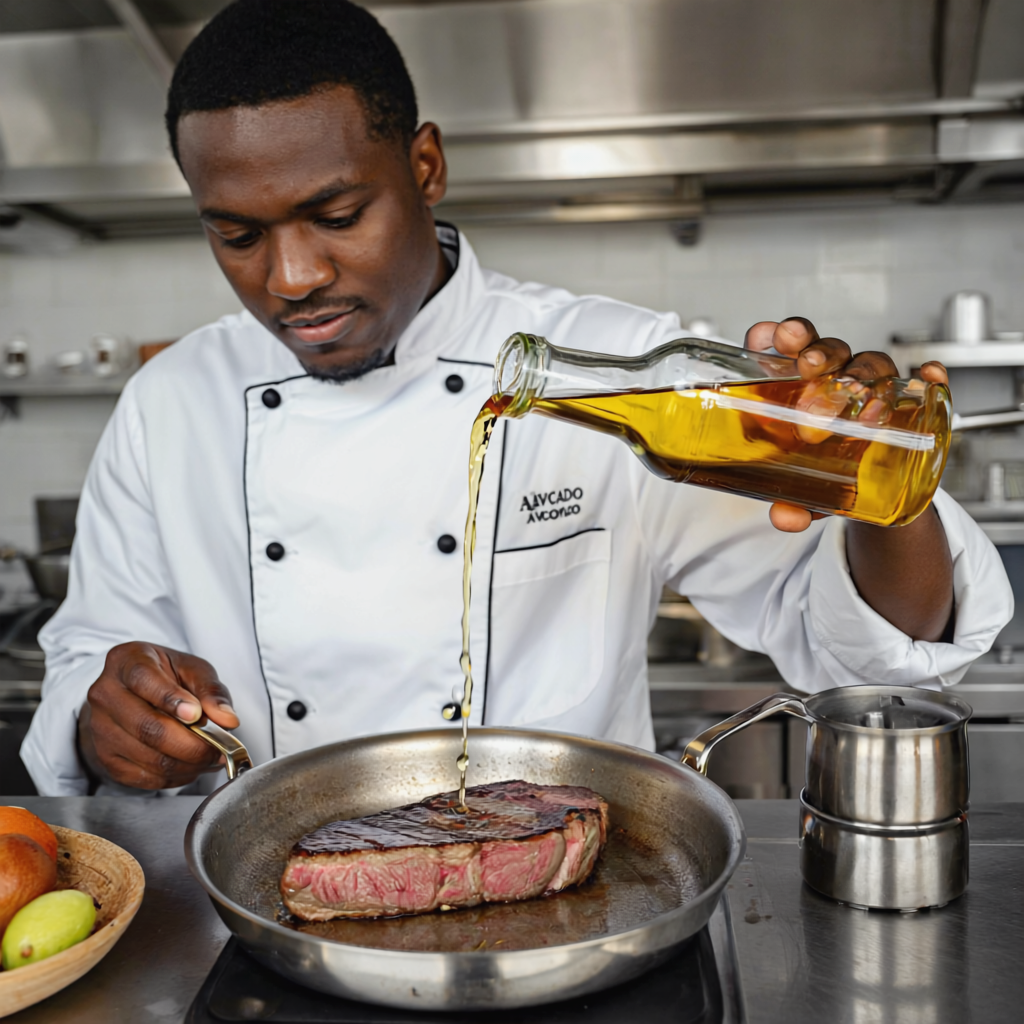
Use high-smoke-point oils to achieve a good sear without burning.