Week 14: Cooking Chicken
0:00 / 0:00
Generating audio...
⏱ 3 min read
📝 494 words
Cooking chicken is a fundamental skill that every home cook should master. From its versatility to its rich source of protein, chicken is a staple in many cuisines around the world.
Cooking chicken is a fundamental skill that every home cook should master. From its versatility to its rich source of protein, chicken is a staple in many cuisines around the world. Whether you're preparing a simple weeknight dinner or an elaborate feast, knowing how to cook chicken properly can elevate your culinary repertoire. In this lesson, you'll learn essential techniques for cooking chicken to perfection, ensuring it's juicy and flavorful every time.
We'll cover key concepts such as selecting the right cut, understanding cooking methods, and achieving the ideal internal temperature. By the end of this lesson, you'll be equipped with the knowledge and confidence to prepare chicken dishes that are both delicious and safe to eat.
Key Concepts
Understanding these fundamental techniques will set you up for success:
- Choosing the right cut: Different cuts of chicken (breast, thigh, drumstick, wings) have varied cooking times and flavor profiles. Choose breast for lean meat and thighs for more flavor.
- Marinating: Enhances flavor and tenderness. Use a mix of acid (like lemon juice or vinegar), oil, and seasonings.
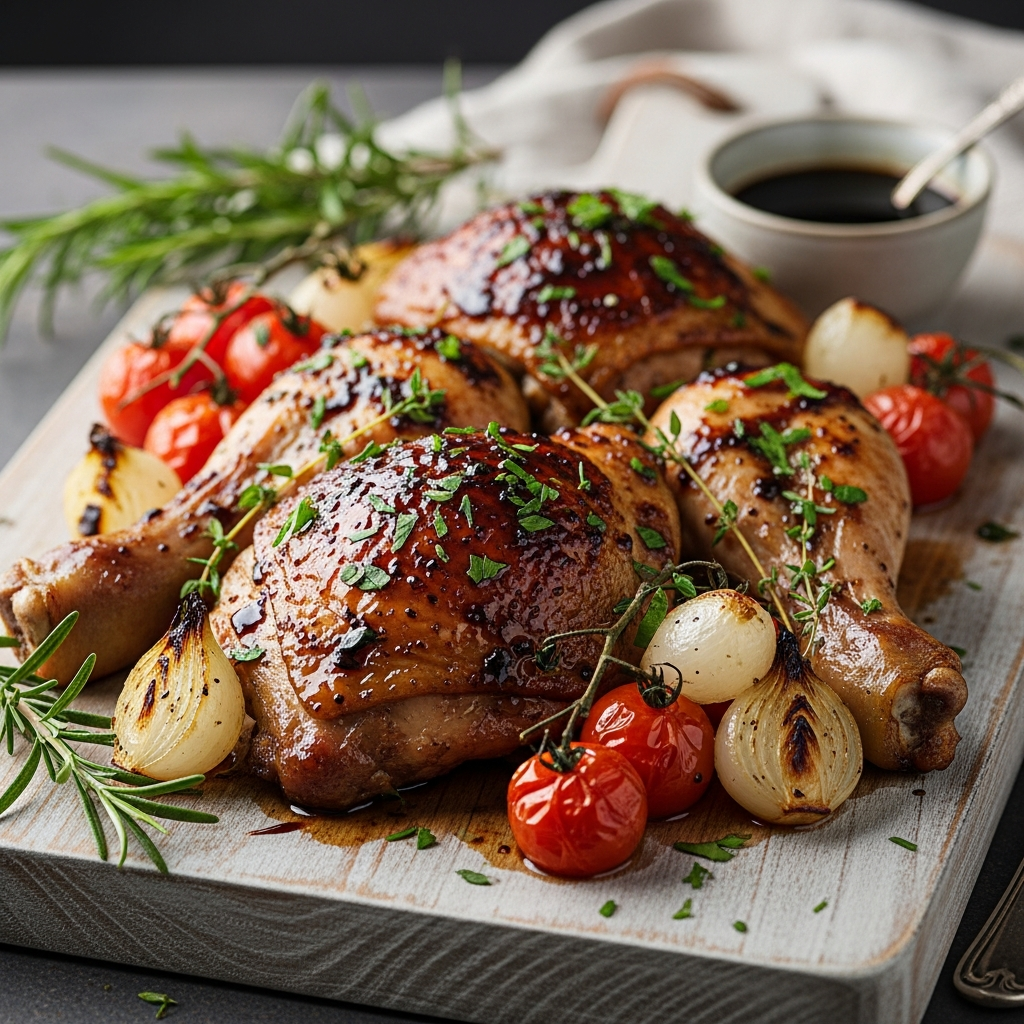
- Cooking methods: Common techniques include grilling, roasting, pan-searing, and poaching.
- Internal temperature: Chicken should reach an internal temperature of 165°F (74°C) to ensure safety.
Step-by-Step Instructions
- Prepare the Chicken: Pat the chicken dry with paper towels. Season with salt, pepper, and your choice of herbs or spices.
- Marinate (Optional): Place the chicken in a marinade for at least 30 minutes or up to 24 hours in the refrigerator.
- Preheat the Oven or Grill: Set your oven to 400°F (200°C) or preheat your grill to medium-high heat.
- Cook the Chicken:
- For roasting, place the chicken on a baking sheet and cook for 25-30 minutes, or until it reaches the recommended internal temperature.
- For grilling, cook each side for about 6-8 minutes, depending on thickness.
- Rest the Chicken: Allow the chicken to rest for 5 minutes before slicing. This helps retain moisture.
Tips and Techniques
- Avoid overcrowding the pan: This ensures even cooking and proper searing.
- Use a meat thermometer: This is the most accurate way to check doneness.
- Let the chicken rest: Resting the meat after cooking helps redistribute juices.
- Don't rush: Cooking chicken at too high a heat can cause it to dry out. Patience is key.
Variations and Substitutions
- For a health-conscious option: Try grilling or poaching instead of frying.
- Vegetarian substitution: Use tofu or tempeh as a protein alternative. Adjust cooking times accordingly.
- Flavor variations: Experiment with different spices and marinades, such as Asian-inspired soy sauce and ginger, or Mediterranean herbs with olive oil.
Conclusion
Mastering the art of cooking chicken opens up a world of culinary possibilities. With practice, you can create meals that cater to any taste or occasion. Remember to store leftovers in an airtight container in the refrigerator for up to three days. With these skills, you're not just cooking chicken; you're building a foundation for broader cooking techniques that will serve you well in the kitchen. Embrace the journey and enjoy the delicious results!
Lesson Tips
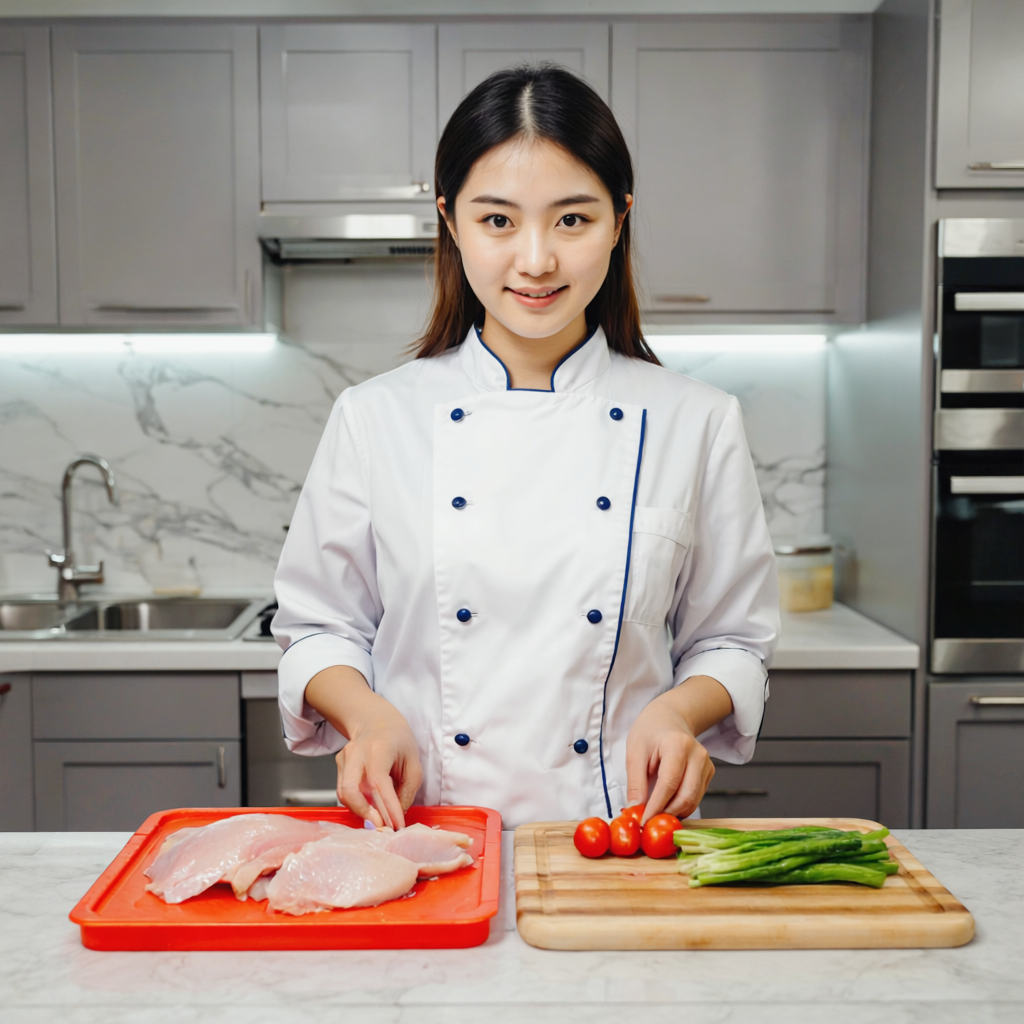
Use a separate cutting board for raw poultry to avoid cross-contamination.
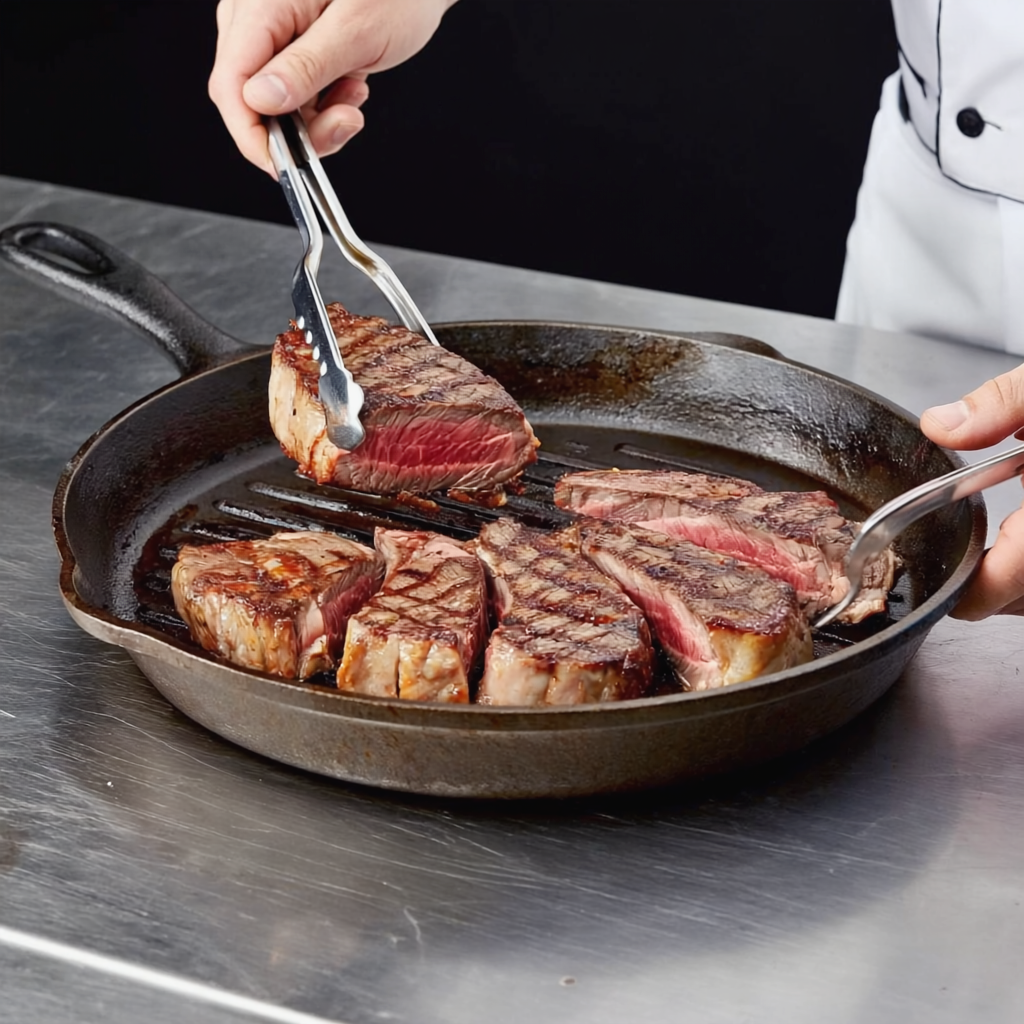
Learn visual cues for doneness, such as color changes and texture firmness.
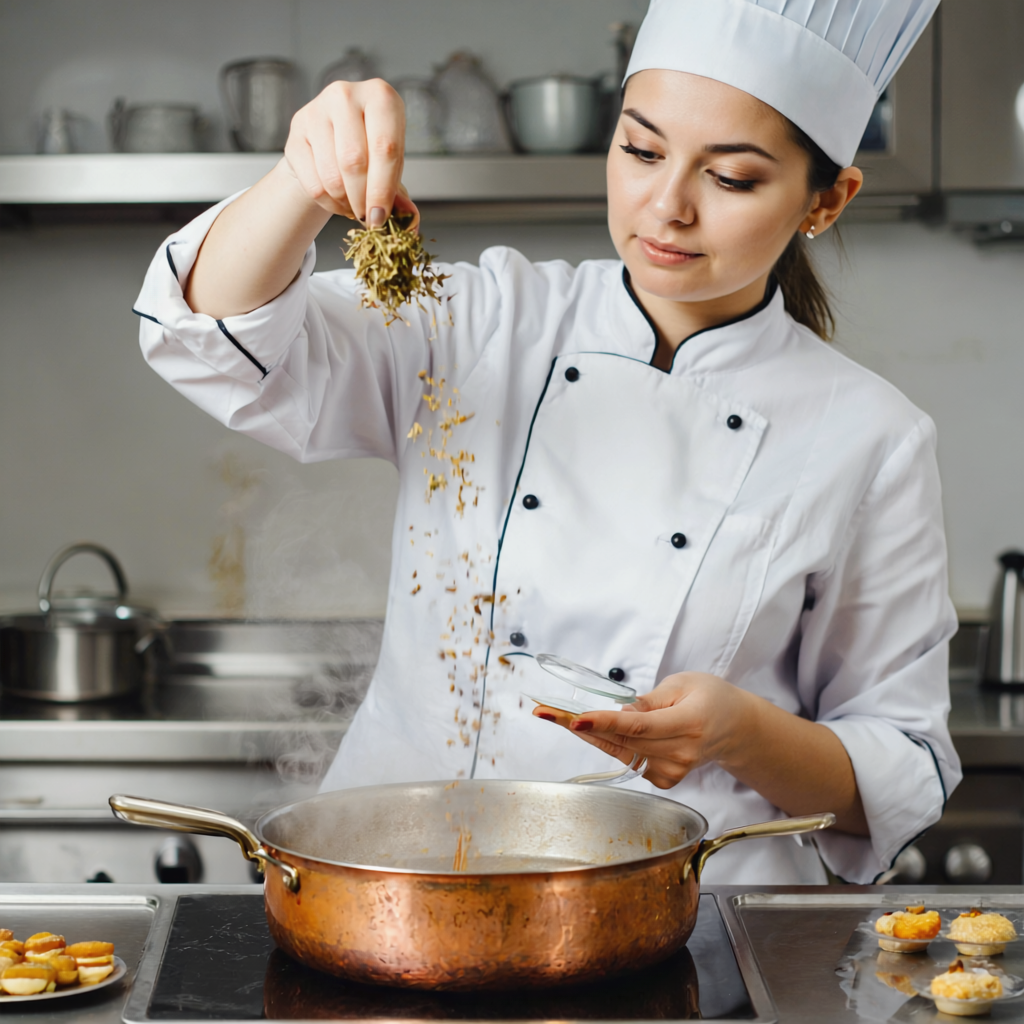
Layer spices gradually during cooking to develop balanced flavors.