Fermentation is an ancient food preservation technique that transforms ordinary ingredients into nutrient-rich, probiotic-filled delights. This cooking lesson will guide you through the fermentation process, focusing on techniques, tips, and common mistakes to avoid.
Fermentation is an ancient food preservation technique that transforms ordinary ingredients into nutrient-rich, probiotic-filled delights. This cooking lesson will guide you through the fermentation process, focusing on techniques, tips, and common mistakes to avoid.
What is Fermentation?
Fermentation is the metabolic process where microorganisms like bacteria, yeast, or molds convert sugars and starches into acids, gases, or alcohol. This process not only preserves food but also enhances flavors and adds beneficial probiotics.
Key Ingredients for Fermentation
- Vegetables: Cabbage, carrots, beets, radishes
- Fruits: Apples, grapes, peaches, or any seasonal fruit
- Liquid: Water (preferably filtered), brine (saltwater solution)
- Starter culture: Whey, kefir grains, or store-bought probiotic powder (optional)
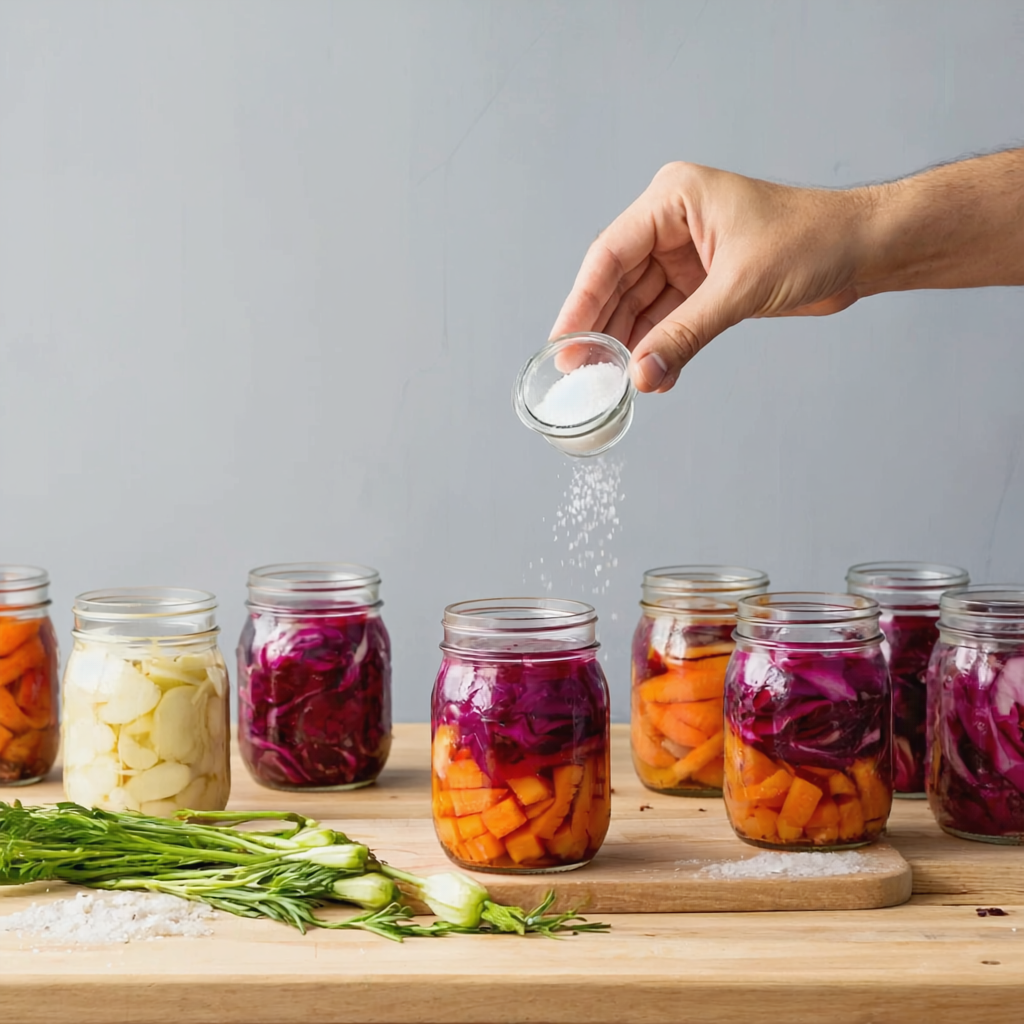
- Salt: Non-iodized salt is recommended to avoid inhibiting fermentation
Step-by-Step Instructions
Basic Vegetable Fermentation (Sauerkraut)
- Select Your Cabbage: Begin with fresh, organic green or purple cabbage.
- Prepare Cabbage: Remove outer leaves and cut the cabbage into quarters. Slice thinly.
- Add Salt: For every medium-sized head of cabbage (about 2 pounds), add 1-3 tablespoons of non-iodized salt.
- Massage the Cabbage: In a large bowl, massage the cabbage and salt together. This helps to release the cabbage's natural juices.
- Pack the Jar: Transfer the cabbage into a clean glass jar. Pack it tightly, pressing down to ensure it is submerged in its own liquid.
- Add Weight (Optional): Use a fermentation weight or a smaller jar filled with water to keep the cabbage submerged.
- Cover the Jar: Cover the jar with a cloth or loose lid to let gases escape while preventing dust and insects from entering.
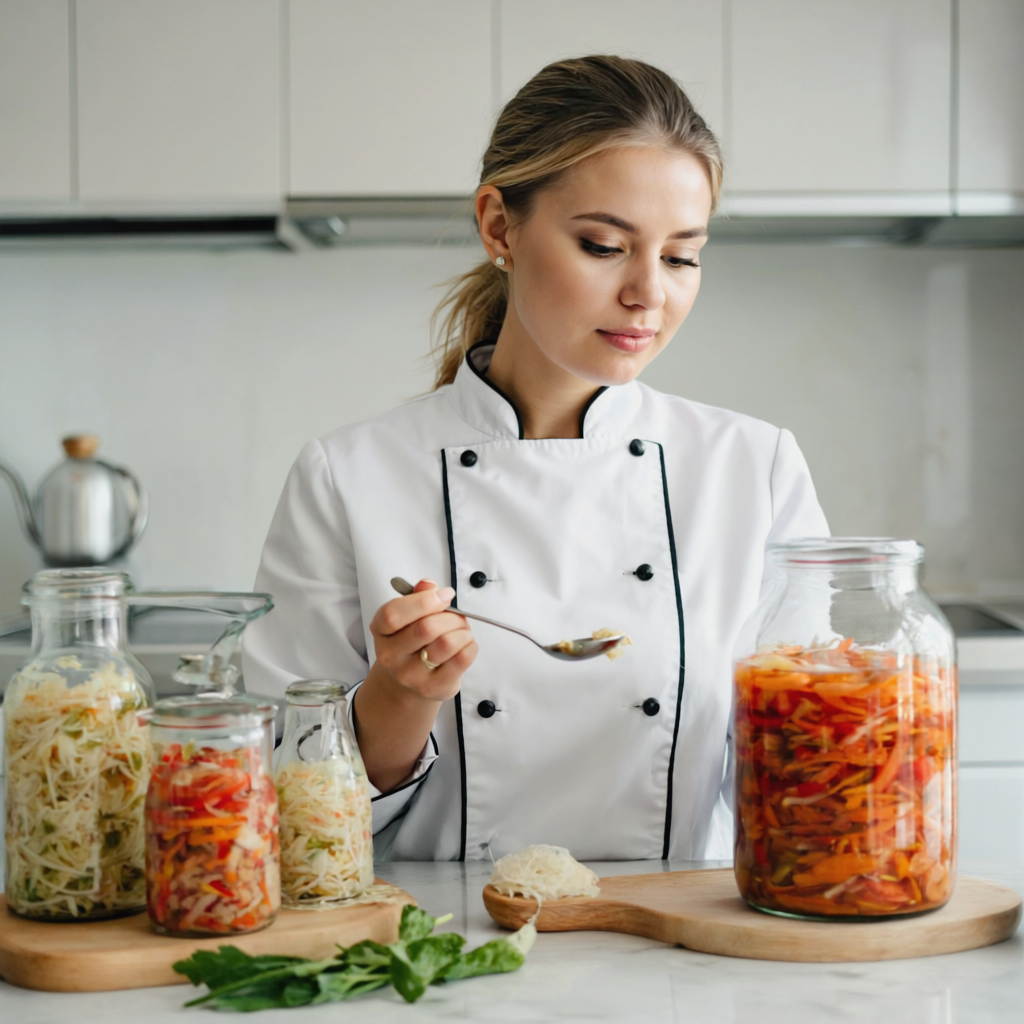
- Ferment: Leave the jar at room temperature, away from direct sunlight, for about 1-4 weeks. Taste it periodically until it reaches your desired tanginess.
- Store: Once fermented, seal the jar and store it in the refrigerator to slow down the fermentation process.
Key Techniques
- Salting: Use the right amount of salt to encourage beneficial bacteria while inhibiting spoilage bacteria.
- Temperature Control: Maintain a consistent, cool room temperature (ideally 60-75°F) for optimal fermentation.
- Submerging: Always keep your vegetables submerged in brine or their own juices to prevent mold growth.
Tips for Successful Fermentation
- Use Fresh Ingredients: Ensure that your vegetables and fruits are fresh and free from blemishes.
- Experiment with Flavors: Add herbs, spices, or garlic for unique flavors.
- Check for Bubbles: Bubbles are a natural sign that fermentation is happening!
Common Mistakes to Avoid
- Too Much or Too Little Salt: This could lead to spoilage or insufficient fermentation.
- Unclean Equipment: Always use sterilized jars and tools to prevent contamination.
- Storing in Sunlight: Fermentation works best in a cool, dark place.
Variations
- Kimchi: Use napa cabbage, radishes, garlic, ginger, and chili peppers for a spicy twist on fermentation.
- Fruit Fermentation: Experiment with apples, grapes, or peaches, adding sugar if desired, and fermenting with a starter culture.
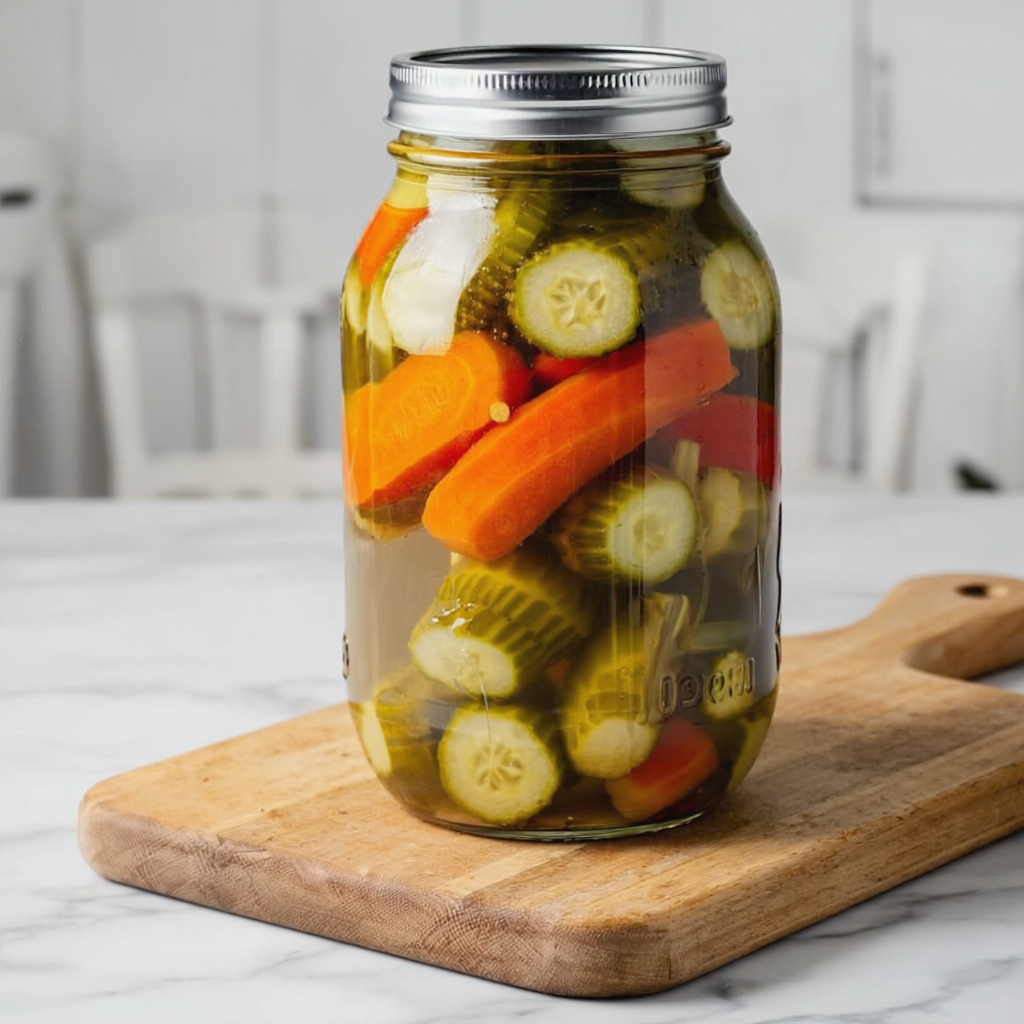
- Mixed Vegetables: Combine various vegetables like carrots, cucumbers, and peppers for a colorful, nutritious medley.
With this comprehensive guide, you're well on your way to creating your own probiotic powerhouse through fermentation. Enjoy the delicious journey!