Introduction
Cooking fish can be both an art and a science, offering a delightful culinary experience that highlights the delicate flavors of the ocean. Whether youre a novice cook or an experienced chef, mastering the skill of cooking fish opens up a world of delicious and healthy dining options.
Introduction
Cooking fish can be both an art and a science, offering a delightful culinary experience that highlights the delicate flavors of the ocean. Whether you're a novice cook or an experienced chef, mastering the skill of cooking fish opens up a world of delicious and healthy dining options. In this lesson, you'll learn essential techniques, from selecting the freshest fish to perfecting your cooking methods. Let's dive into the ocean of knowledge that will allow you to create mouthwatering fish dishes with confidence and flair.
Key Concepts
- Freshness is Key: Always choose fish that smells like the sea, with clear eyes and firm flesh. Fresh fish will enhance the flavor of your dish significantly.
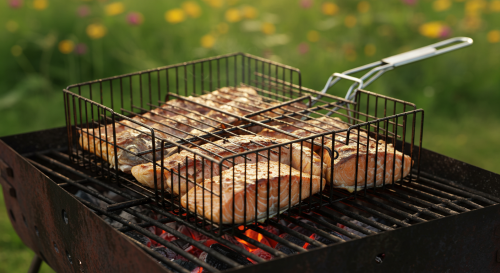
- Cooking Methods: Understand the different cooking methods suitable for fish, such as grilling, baking, poaching, and pan-searing. Each method brings out unique textures and flavors.
- Seasoning and Flavoring: Use herbs, citrus, and spices to complement the natural taste of fish. A simple lemon and herb marinade can elevate your dish remarkably.
Step-by-Step Instructions
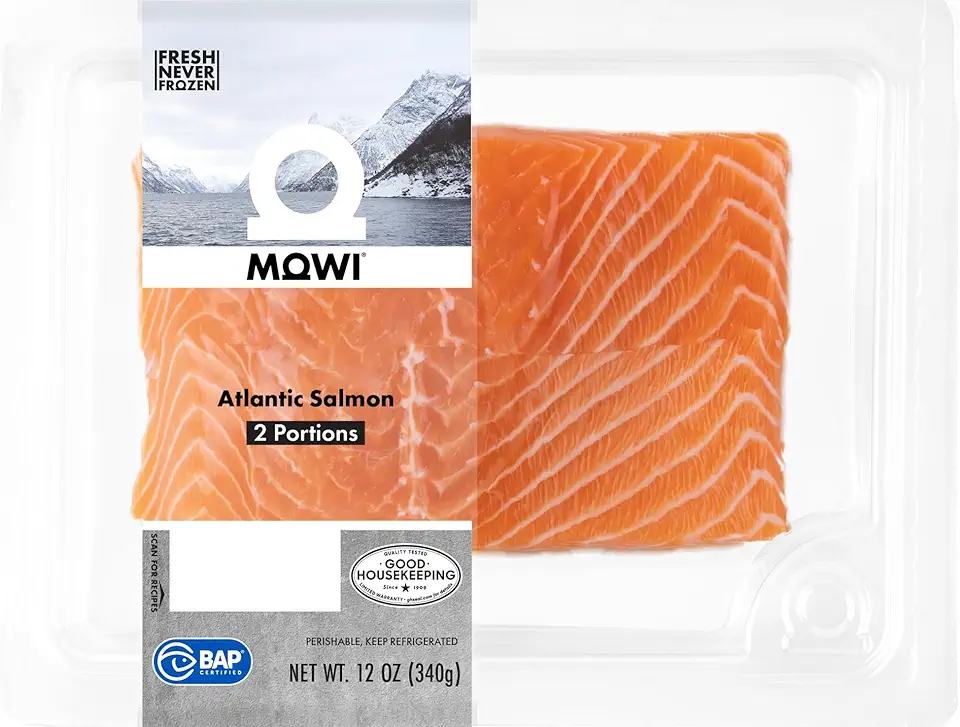
- Choose Your Fish: Select a fresh fillet or whole fish from a trusted source. Popular choices include salmon, cod, and trout.
- Preparation: Rinse the fish under cold water and pat dry with paper towels. Season with salt, pepper, and your choice of herbs or spices.
- Cooking:
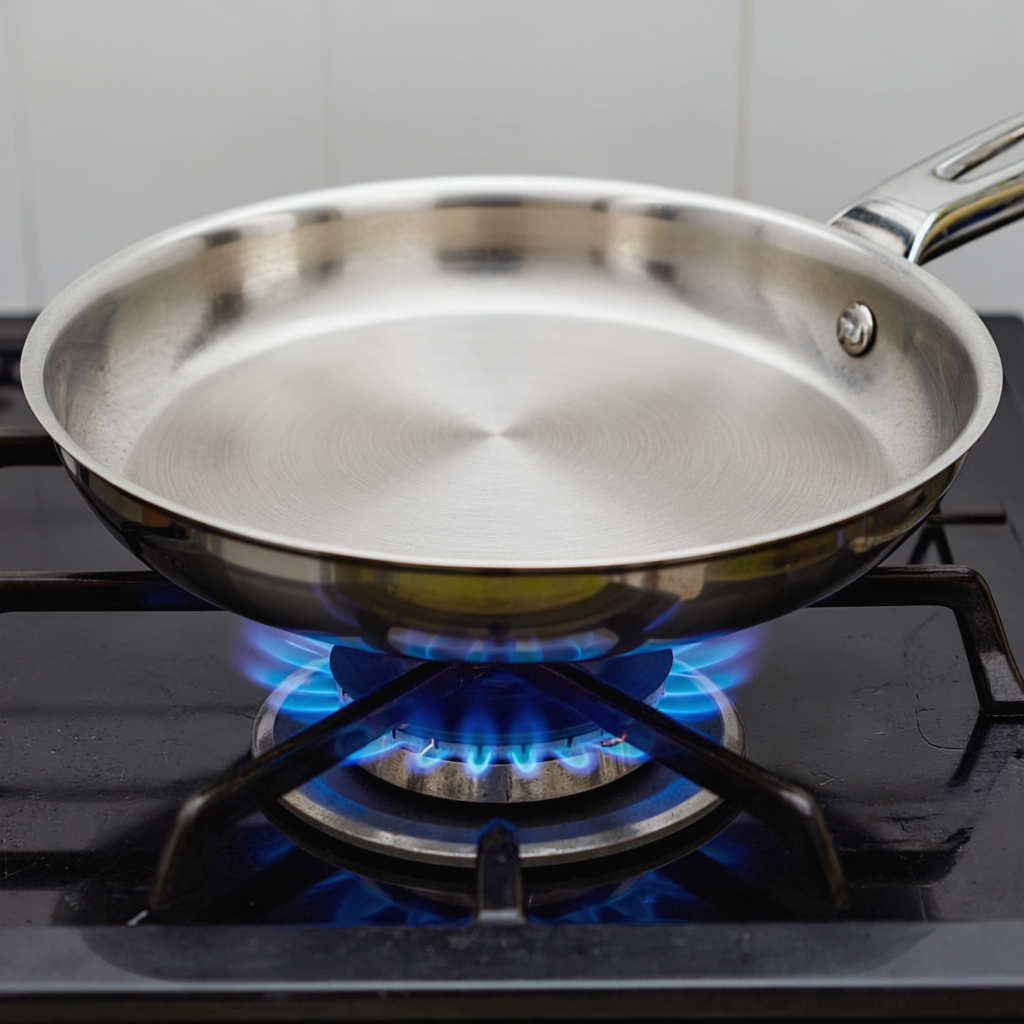
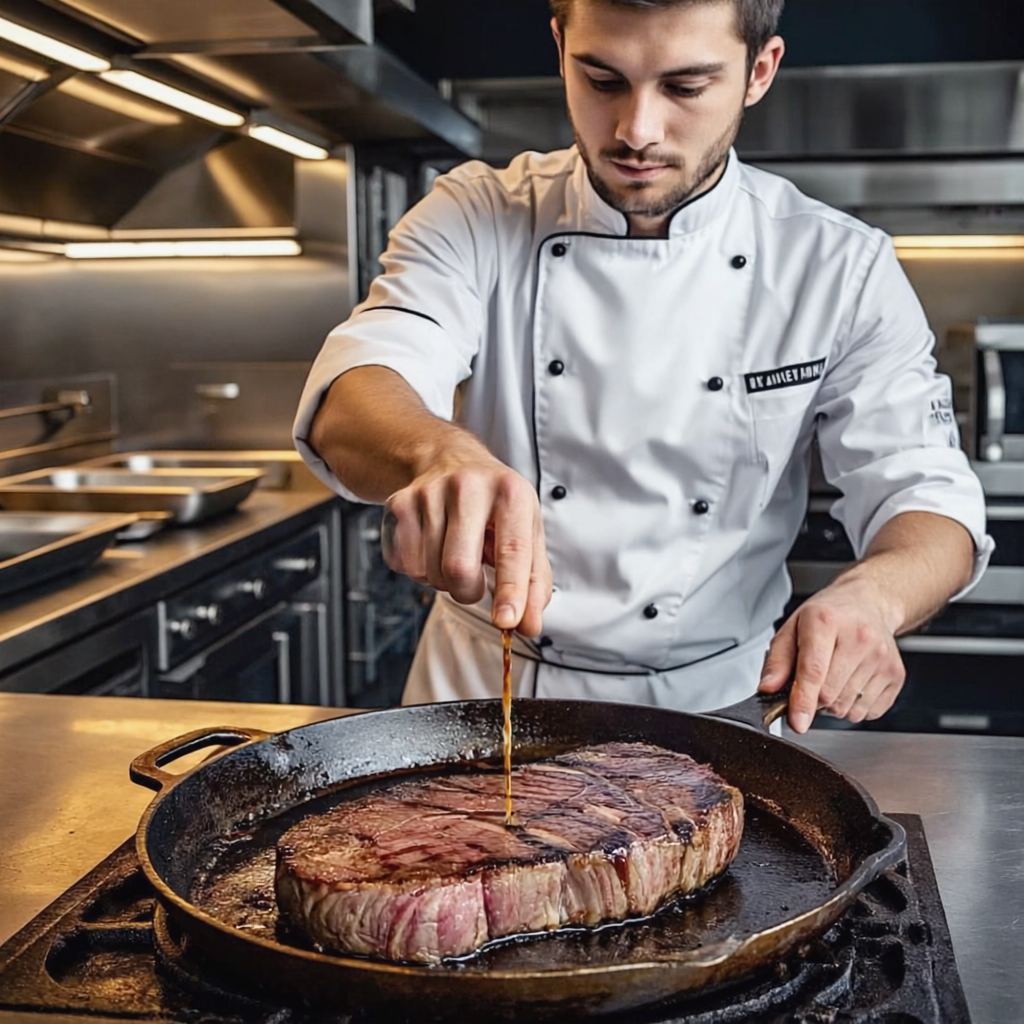
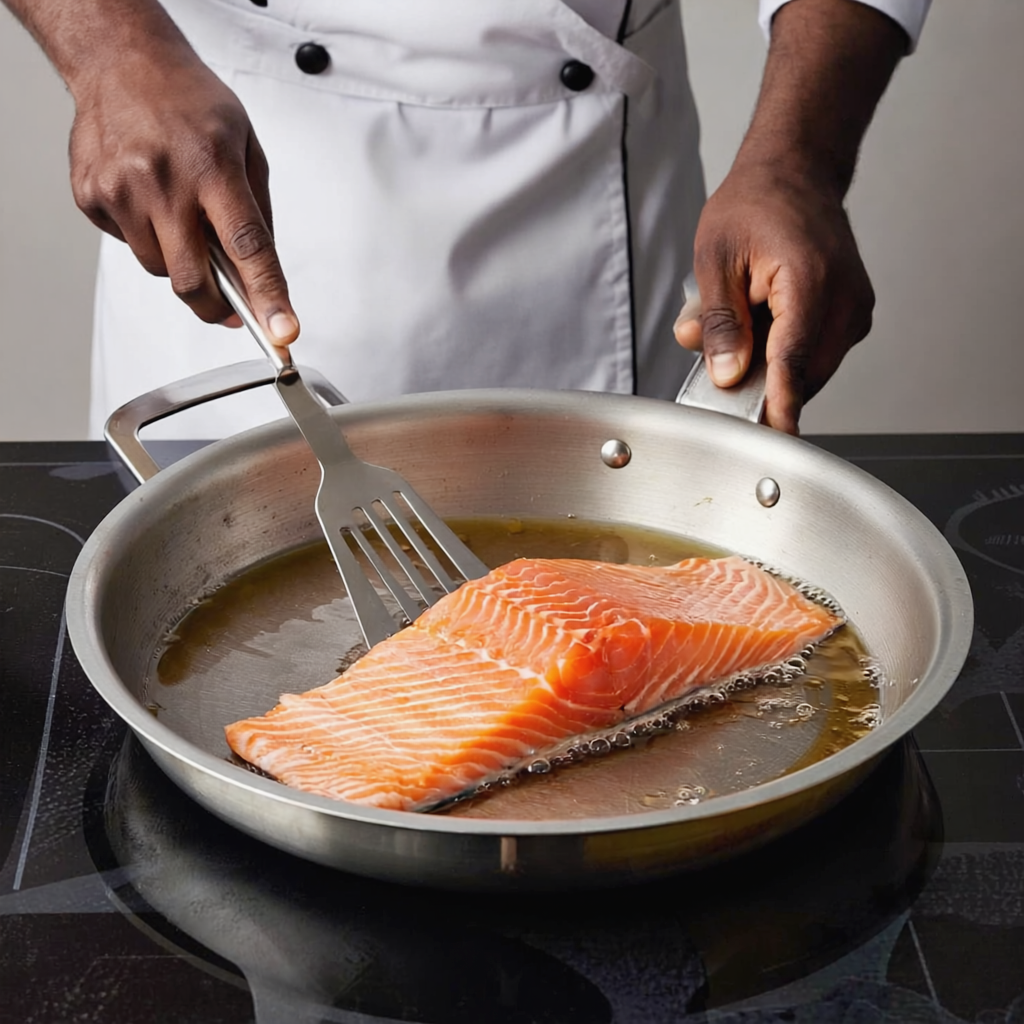
- Pan-Searing: Heat a tablespoon of oil in a skillet over medium-high heat. Place the fish skin-side down and cook for 3-4 minutes. Flip gently and cook for another 2-3 minutes.
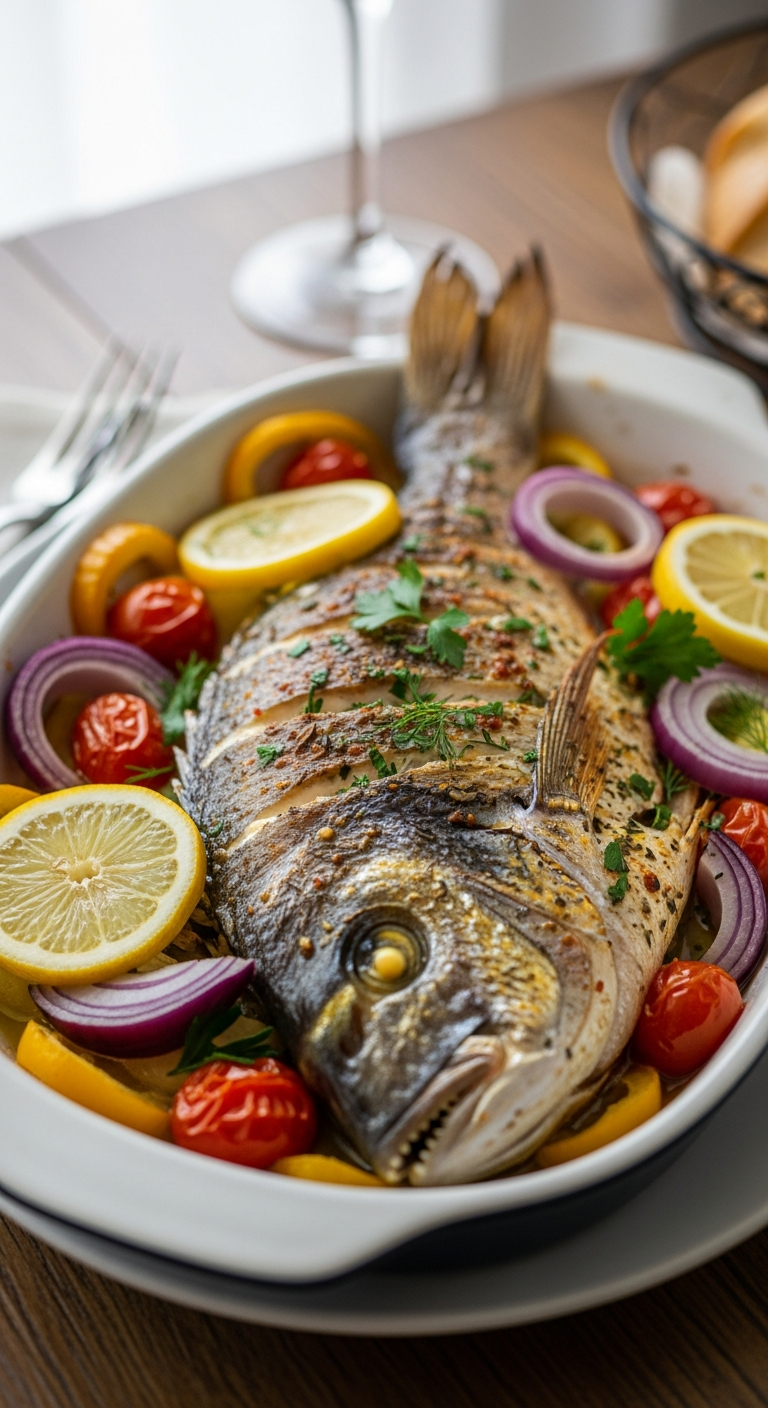
- Baking: Preheat your oven to 375°F (190°C). Place the fish in a baking dish, add lemon slices and herbs, and bake for 15-20 minutes.
- Check for Doneness: The fish should be opaque and flake easily with a fork. Avoid overcooking, as it can make the fish dry.
- Serving: Serve the fish with a side of fresh vegetables, rice, or a crisp salad.
Tips and Techniques
- Use a Thermometer: For precision, use a food thermometer. Fish is done when it reaches an internal temperature of 145°F (63°C).
- Avoid Overcrowding: When pan-searing, avoid overcrowding the pan to ensure even cooking and a crispy exterior.
- Experiment with Marinades: Marinades can infuse your fish with flavor. Try a mix of soy sauce, ginger, and garlic for an Asian twist.
Variations and Substitutions
- Dietary Preferences: For a dairy-free option, use olive oil instead of butter. For a gluten-free dish, ensure all seasonings and sauces are gluten-free.
- Skill Levels: Beginners might start with baking, as it requires less monitoring. Advanced cooks can experiment with grilling for added complexity.
- Flavor Profiles: Try different herbs and spices, such as dill with salmon or Cajun seasoning with catfish, to explore new flavors.
Conclusion
Congratulations on taking the plunge into the world of cooking fish! With these skills, you can create a variety of dishes that are not only healthy but also deliciously satisfying. Remember to store any leftovers in an airtight container in the refrigerator and consume them within two days. As you continue to practice, you'll find that cooking fish is not just a valuable skill but also a gateway to exploring diverse cuisines and flavors. Keep experimenting, and enjoy the journey of culinary discovery!