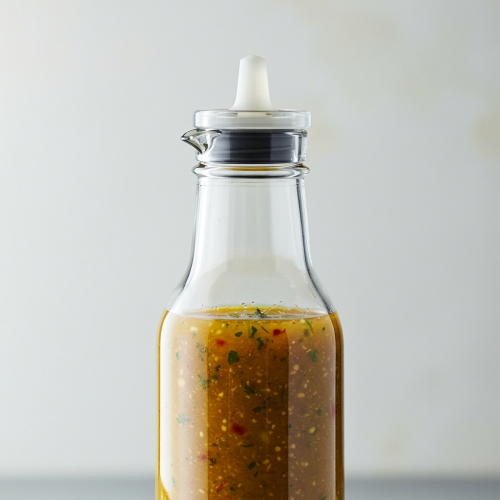
Welcome to the world of salad dressings, a vital component in transforming simple greens into a culinary delight. Mastering the art of making salad dressings from scratch not only elevates your salads but also enhances your overall cooking repertoire.
Welcome to the world of salad dressings, a vital component in transforming simple greens into a culinary delight. Mastering the art of making salad dressings from scratch not only elevates your salads but also enhances your overall cooking repertoire. In this lesson, you'll learn how to create versatile dressings that can be tailored to your taste preferences and dietary needs.
Understanding the balance of flavors and textures in a salad dressing is key. You'll explore fundamental techniques and principles that will allow you to craft dressings with confidence and creativity. Let's dive into the vibrant world of salad dressings and discover how easily you can enhance your meals.
Key Concepts
At the heart of any great salad dressing are a few basic principles:
- Acid and Oil Balance: The classic ratio is 3 parts oil to 1 part acid. However, this can be adjusted based on taste and the type of oil or vinegar used.
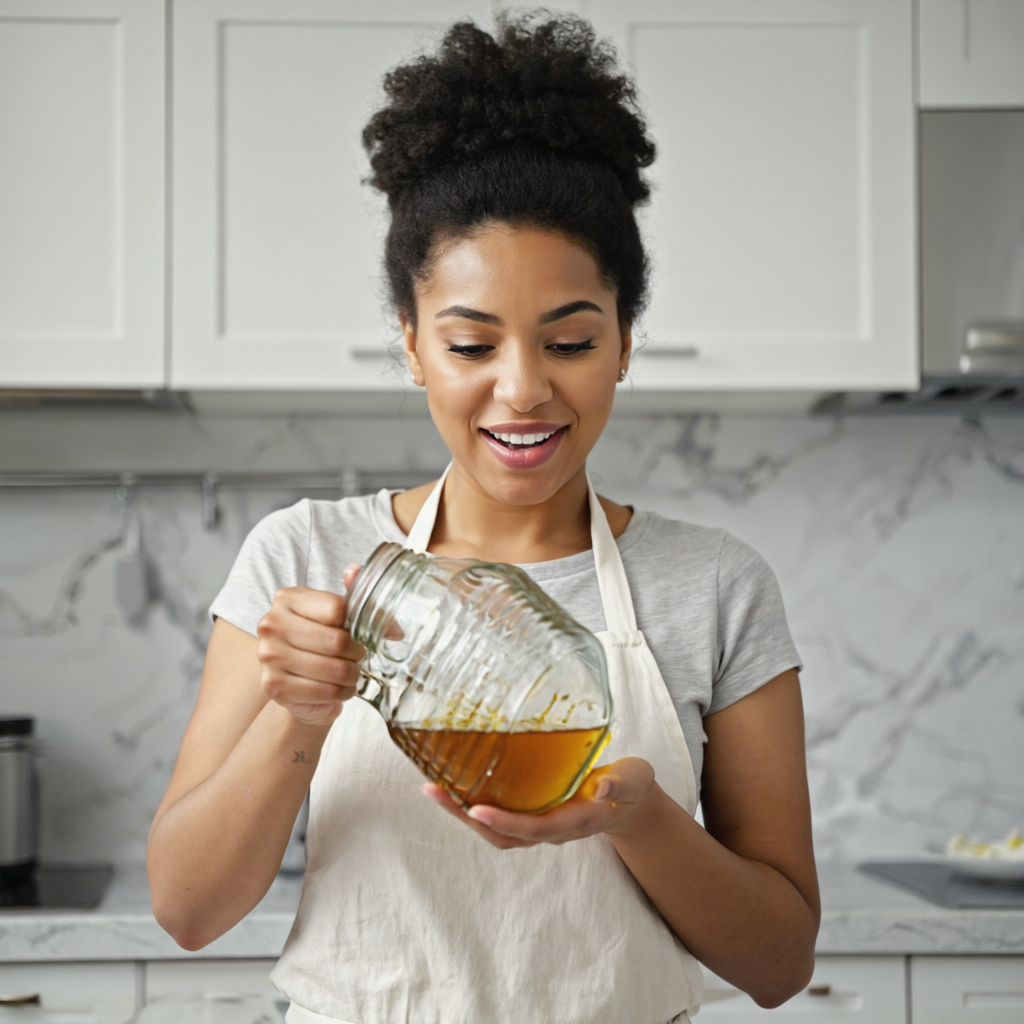
- Emulsification: The process of combining oil and vinegar so they don't separate. This can be achieved by whisking or shaking the ingredients together.
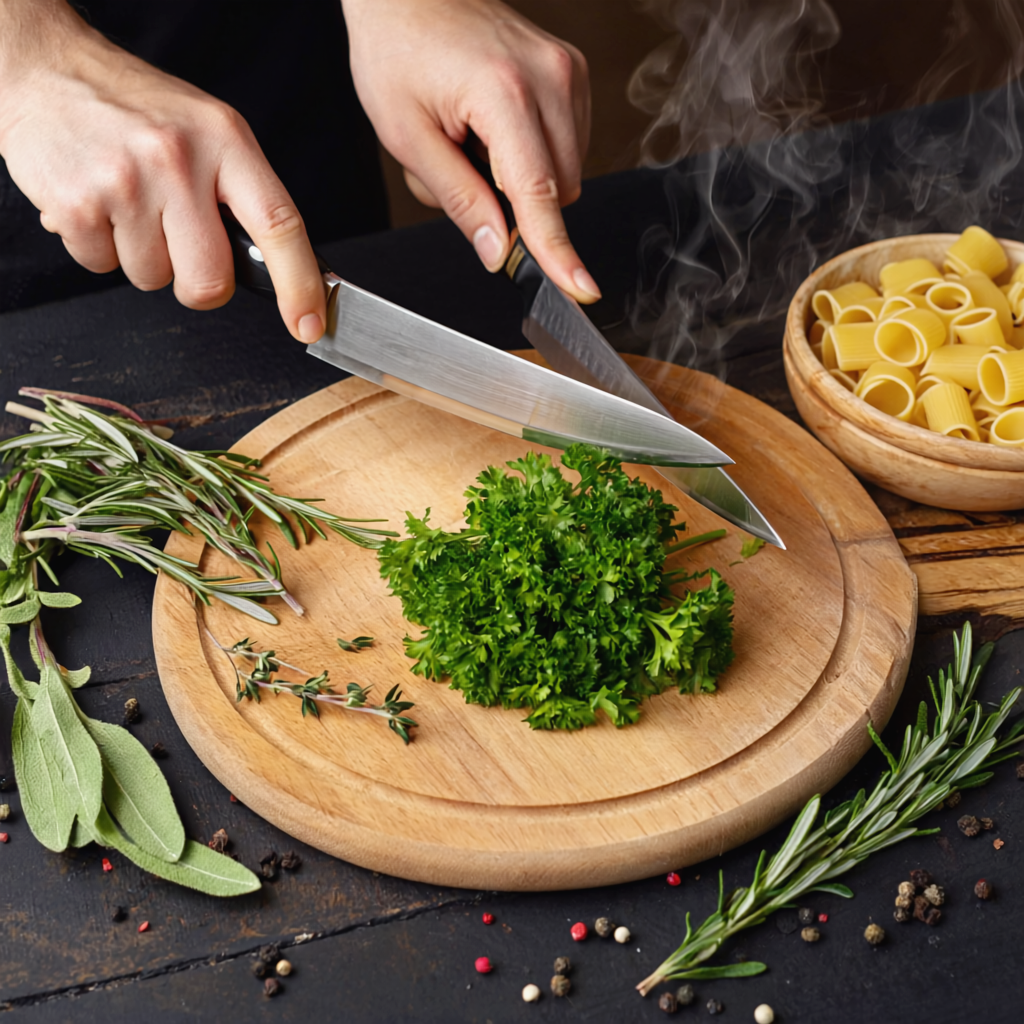
- Seasoning: Salt, pepper, and sweeteners can enhance flavors. Herbs, spices, and aromatics add depth.
Step-by-Step Instructions
Follow these steps to create a basic vinaigrette:
- Choose your oil, such as olive, sunflower, or sesame oil, for unique flavors.
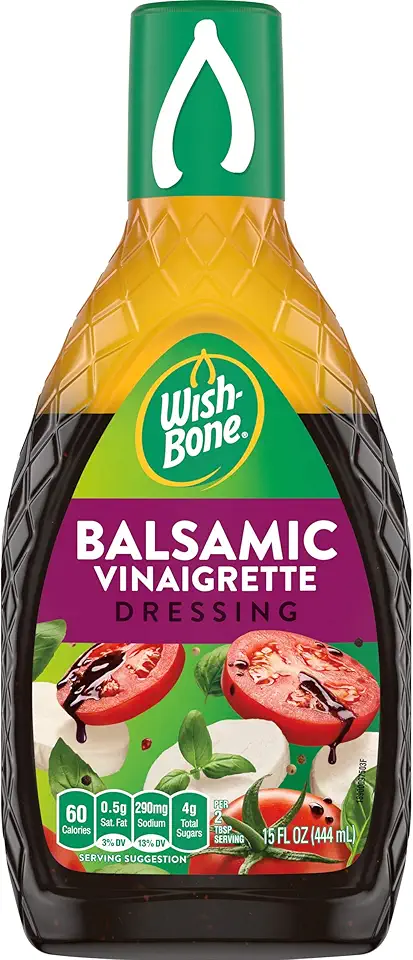
- Select an acid, like balsamic vinegar, lemon juice, or apple cider vinegar.
- In a bowl, combine 3 tablespoons of oil with 1 tablespoon of your chosen acid.
- Add a pinch of salt and pepper. Whisk vigorously until the mixture thickens slightly.
- Taste and adjust seasoning. If desired, add a teaspoon of honey or mustard for flavor complexity.
- Pour over salad and toss just before serving to ensure freshness.
Tips and Techniques
- Emulsification: Use a small jar with a lid to shake ingredients together quickly and effectively.
- Enhancing Flavor: Infuse oils with herbs or garlic for an extra flavor boost.
- Common Mistakes: Avoid overdressing the salad; start with a small amount and add more as needed.
Variations and Substitutions
Adapt your dressings to suit different needs:
- Dairy-Free: Use avocado or tahini for creaminess without using dairy.
- Low-Calorie: Substitute some oil with vegetable broth or citrus juice.
- Flavor Variations: Experiment with different vinegars, like raspberry or sherry, to change up flavors.
Conclusion
You've now unlocked the secrets to creating delicious, homemade salad dressings that will make any salad shine. Remember to store your dressings in the refrigerator, in a sealed container, for up to a week. With these skills, you can explore broader culinary possibilities and bring fresh, vibrant flavors to your table with ease. Happy cooking!