Week 31: Asian Foods: Exploring Flavor and Balance
0:00 / 0:00
Generating audio...

⏱ 3 min read
📝 508 words
Lesson Asian Foods - Exploring Flavor and Balance
Asian cuisine is renowned for its complex flavors and balance. In this lesson, we will explore fundamental techniques and common dishes that embody these characteristics.
Lesson: Asian Foods - Exploring Flavor and Balance
Asian cuisine is renowned for its complex flavors and balance. In this lesson, we will explore fundamental techniques and common dishes that embody these characteristics.
Key Techniques:
- Umami Identification: Recognizing flavor profiles such as soy sauce, miso, and mushrooms.
- Balancing Flavors: Understanding the interplay between sweet, salty, sour, and spicy.
- Cooking Methods: Stir-frying, steaming, and braising as essential methods.
Step-by-Step Instructions:
1. Preparing Your Ingredients:
- Gather fresh vegetables, aromatics (like garlic and ginger), proteins (tofu, chicken, or seafood), and seasonings (soy sauce, sesame oil, fish sauce).
- Wash and chop vegetables uniformly for even cooking.
- Marinate proteins in a mixture of soy sauce, garlic, and ginger for at least 15 minutes.
2. Cooking Techniques:
- Stir-Frying:
- Heat a wok or a large pan over high heat.
- Add oil (preferably vegetable or peanut oil) until shimmering.
- Add aromatics (like garlic or ginger) first to flavor the oil for a few seconds.
- Add proteins and cook until browned (about 2-3 minutes).
- Introduce chopped vegetables in order of cooking time: harder vegetables (carrots, broccoli) first, followed by softer ones (bell peppers, snow peas).
- Stir continuously to ensure even cooking and prevent burning.
- Add a splash of water and cover to steam the veggies for a minute if necessary.
- Steaming:
- Use a bamboo steamer or a metal steamer insert.
- Bring water to a boil in a pot.
- Place food (dumplings, fish, or vegetables) in the steamer basket, ensuring they're not touching.
- Cover and steam for the required time (check a recipe for specifics).
- Braising:
- Brown meat or tofu in oil in a heavy pot.
- Add aromatics, followed by liquids (broth, soy sauce, rice wine).
- Bring to a simmer, then reduce heat, cover, and cook low and slow until tender (1-2 hours).
Common Asian Dishes:
- Fried Rice:
- Use leftover rice for better texture.
- Stir-fry with vegetables and proteins of choice.
- Add soy sauce and sesame oil for flavor.
- Spring Rolls:
- Soak rice paper in warm water until pliable.
- Fill with a mixture of vegetables and proteins.
- Roll tightly and serve with dipping sauce (like hoisin or peanut sauce).
- Curries:
- Start with a base of onions, garlic, and ginger.
- Add curry paste or powder, proteins, and veggies.
- Finish with coconut milk and simmer until everything is cooked through.
Key Tips:
- Always prep and have all ingredients ready before cooking, as Asian dishes often cook quickly.
- Use the right type of oil with a high smoke point for stir-frying.
- Store sauces and ingredients properly to maintain freshness and flavor.
Common Mistakes to Avoid:
- Overcrowding the pan during stir-frying, leading to steaming instead of searing.
- Not allowing enough time for marinating proteins, which enhances flavor.
- Using low-quality soy sauce or oils, which can compromise the dish's overall taste.
Variations:
- Experiment with different proteins; try shrimp, beef, or vegetable-only options.
- Swap out vegetables based on seasonal availability or personal preference.
- Adjust spice levels in recipes by adding chili paste or fresh chilis.
With practice and exploration, you will discover the balancing act of flavors that makes Asian cuisine so exceptional and diverse. Happy cooking!
Lesson Tips
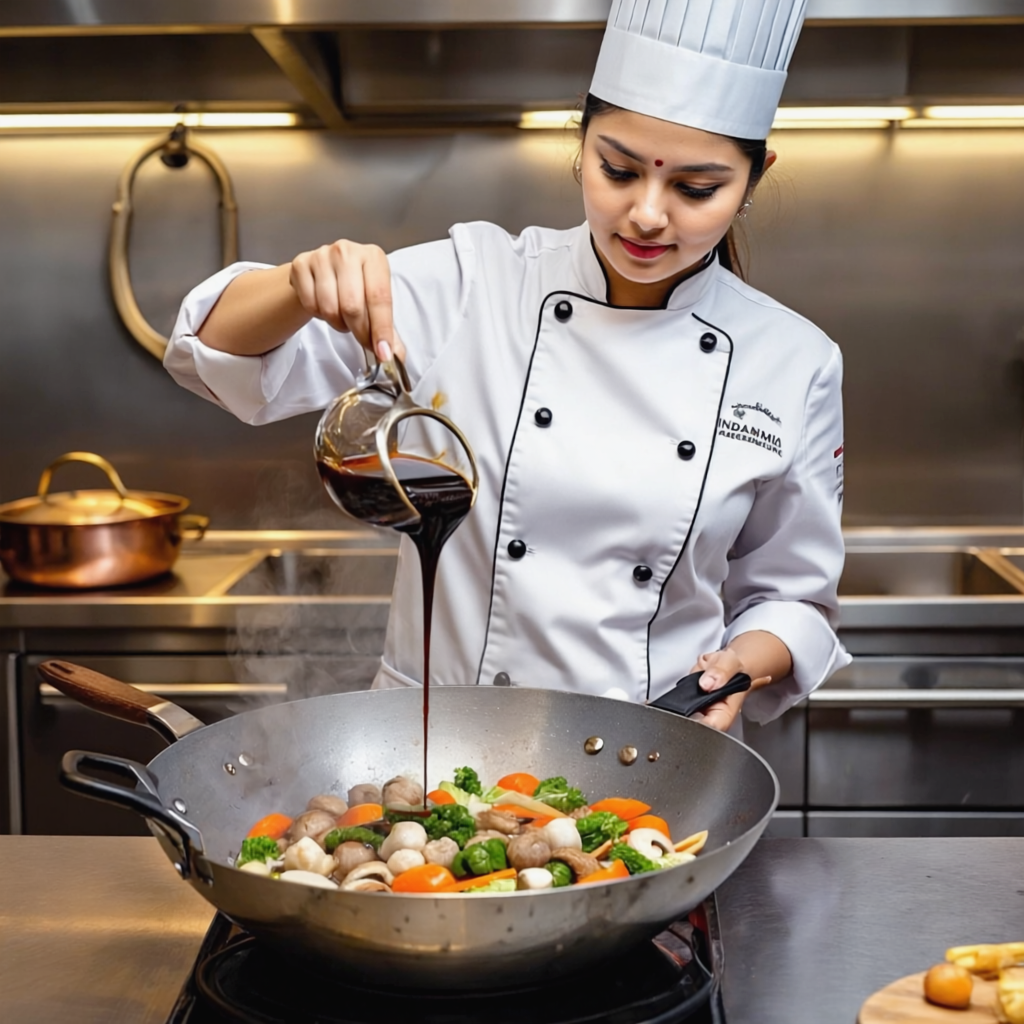
Recognize umami flavors like soy sauce and miso to enhance dishes.
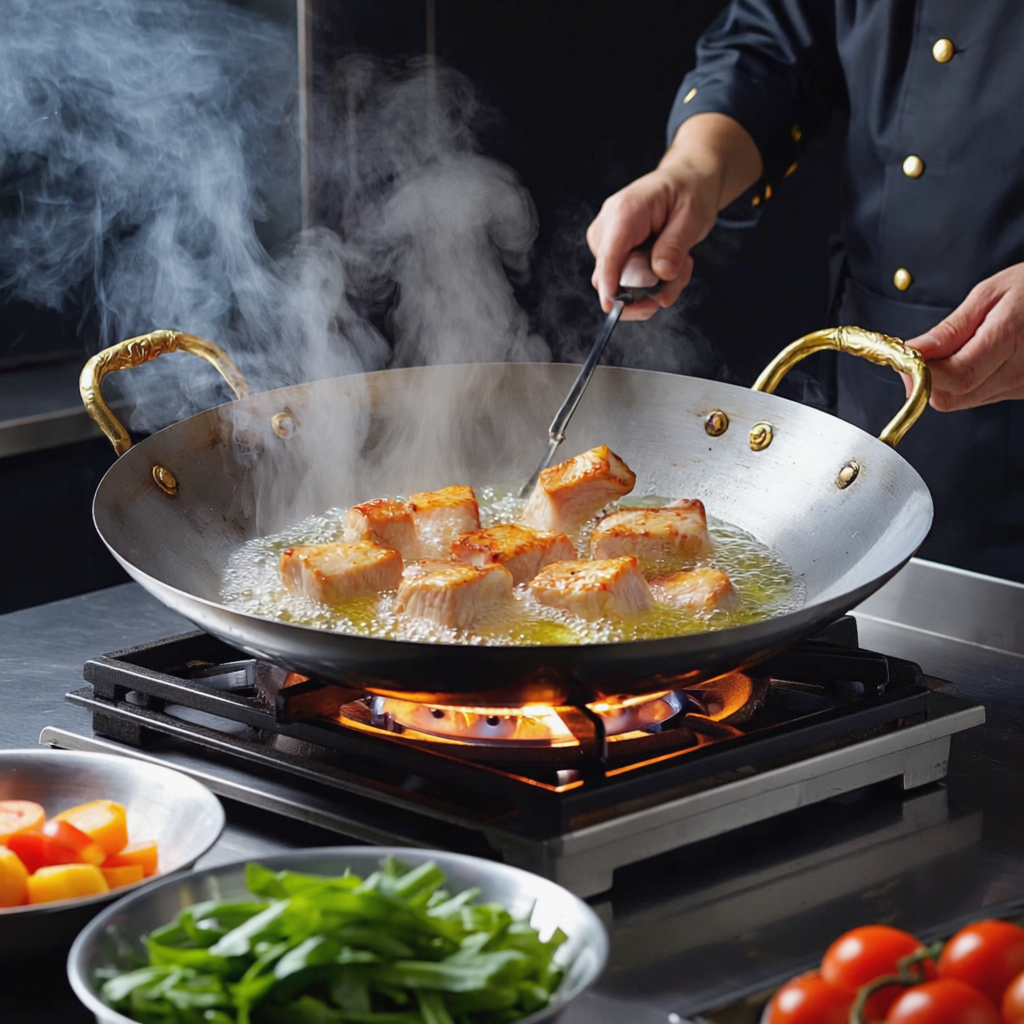
Stir-fry proteins first to develop a rich flavor base before adding vegetables.
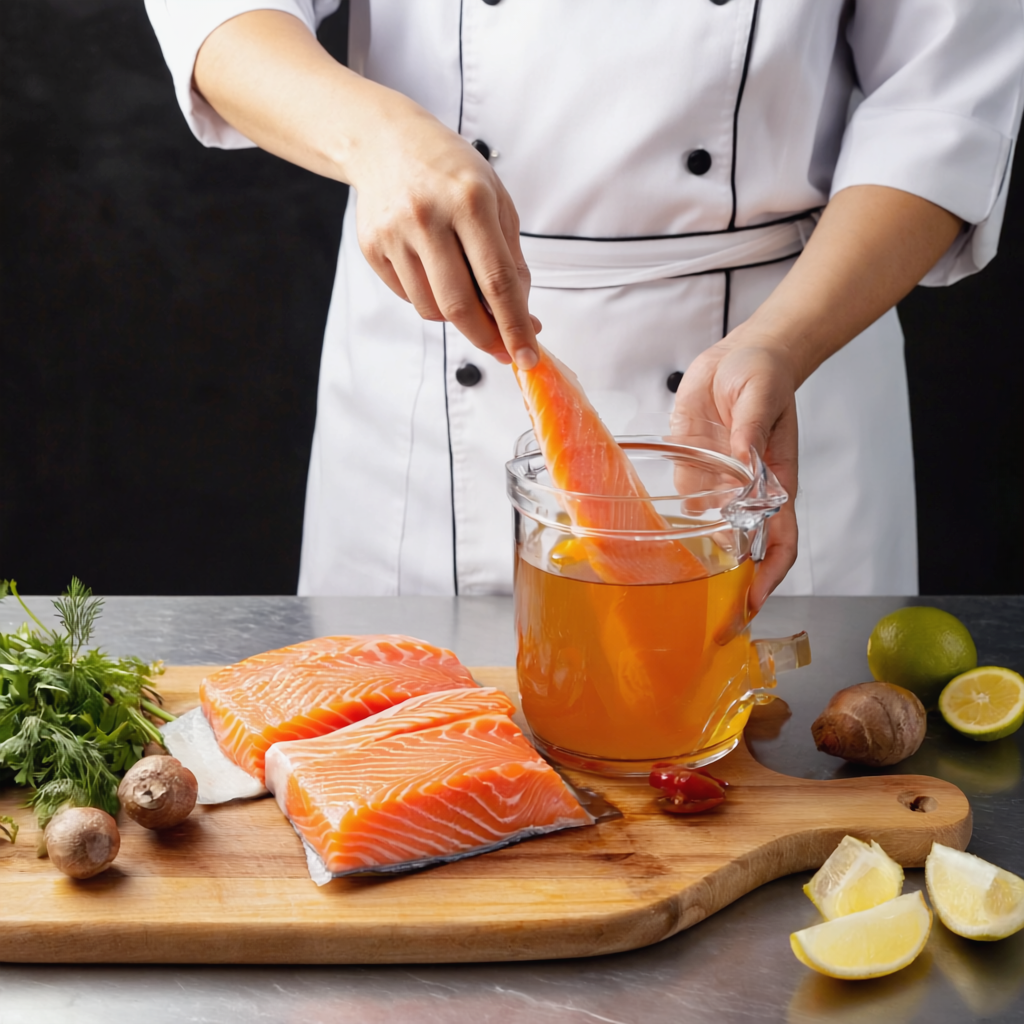
Marinate proteins for at least 15 minutes to deepen flavor absorption.