Week 29: Italian Foods: Tradition Meets Flavor
0:00 / 0:00
Generating audio...
⏱ 3 min read
📝 555 words
Italian Foods Tradition Meets Flavor
Italian cuisine is celebrated for its rich flavors, fresh ingredients, and time-honored traditions. This lesson will guide you through the creation of a classic Italian dish Pasta alla Carbonara.
Italian Foods: Tradition Meets Flavor
Italian cuisine is celebrated for its rich flavors, fresh ingredients, and time-honored traditions. This lesson will guide you through the creation of a classic Italian dish: Pasta alla Carbonara. You'll learn essential techniques, tips, and common mistakes to avoid while embracing the essence of Italian cooking.
Ingredients
- 400g spaghetti or rigatoni
- 150g guanciale (or pancetta if unavailable)
- 4 large eggs
- 100g grated Pecorino Romano cheese
- Freshly cracked black pepper
- Salt (for pasta water)
Step-by-Step Instructions
- Prepare the Ingredients:
- Dice the guanciale into small strips or cubes, around 1cm in size.
- Grate the Pecorino Romano cheese and set aside.
- In a bowl, beat the eggs and mix them with half of the grated cheese and a generous amount of black pepper. This will create a creamy sauce base.
- Cook the Pasta:
- Bring a large pot of salted water to a boil. Use about 1 tablespoon of salt for every 4-5 liters of water.
- Add the spaghetti or rigatoni and cook according to package instructions until al dente, usually about 8-10 minutes.
- Cook the Guanciale:
- While the pasta cooks, heat a large pan over medium heat. Add the diced guanciale without any oil, as it will render its own fat.
- Cook for about 5-7 minutes until crispy and golden brown. Be careful not to burn it.
- Combine Everything:
- Once the pasta is cooked, reserve a cup of pasta water and then drain the pasta.
- Add the hot pasta to the pan with guanciale and remove from the heat.
- Quickly pour the egg and cheese mixture over the pasta, tossing vigorously to create a creamy sauce. The heat from the pasta will cook the eggs but prevent them from scrambling.
- If the sauce is too thick, add a small amount of reserved pasta water until desired creaminess is achieved.
- Serve:
- Plate the pasta immediately and sprinkle with the remaining Pecorino Romano and more black pepper if desired.
Key Techniques
- Al Dente Cooking: The pasta should be firm to the bite, as it will continue to cook slightly when mixed with the sauce.
- Emulsification: The goal is to emulsify the fat from the guanciale and the egg mixture to create a silky sauce.
- Timing: Time your pasta and guanciale cooking so they finish around the same time for the best integration of flavors.
Tips
- Use fresh ingredients for optimal flavor. Guanciale is traditional, but pancetta or even bacon can work in a pinch.
- Don't add the egg mixture while the pan is over direct heat to avoid scrambling the eggs.
- Experiment with different pasta shapes. While spaghetti is classic, rigatoni or fettuccine can also be delicious.
Common Mistakes to Avoid
- Scrambled Eggs: Always remove the pan from heat before adding the egg mixture to prevent scrambling.
- Too Much Heat: Cooking the guanciale on too high heat can burn it; medium heat is best.
- Adding Cream: Traditional Carbonara does not contain cream; rely on eggs and cheese for creaminess.
Variations
- Vegetarian Carbonara: Substitute guanciale with sautéed mushrooms (such as shiitake or cremini) for a vegetarian version.
- Green Carbonara: Add peas or spinach for a pop of color and nutrition.
- Spicy Carbonara: Incorporate red pepper flakes for a spicy kick.
Italian cooking emphasizes the use of quality ingredients and the artistry of preparation. Enjoy your homemade Pasta alla Carbonara, a true testament to the flavors of Italy!
Lesson Tips
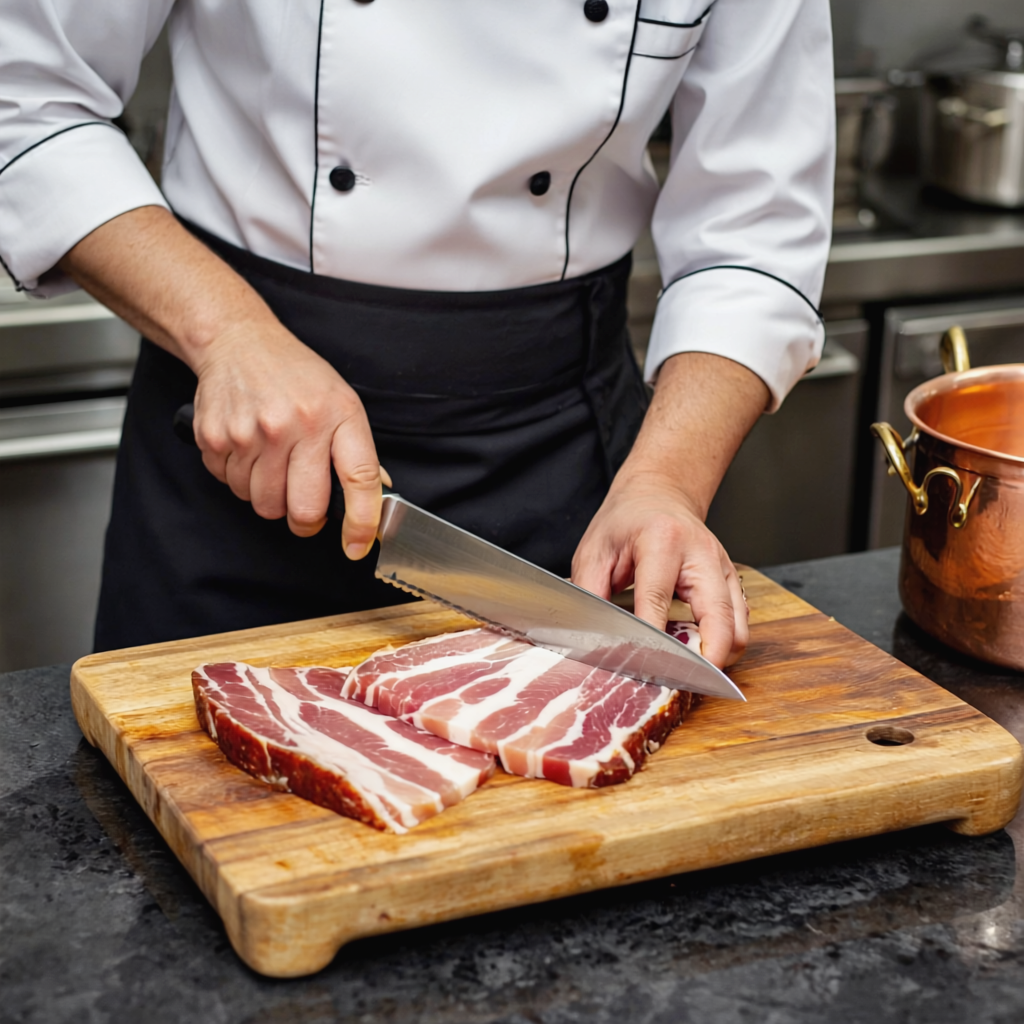
Use high-quality ingredients like guanciale for authentic flavor.
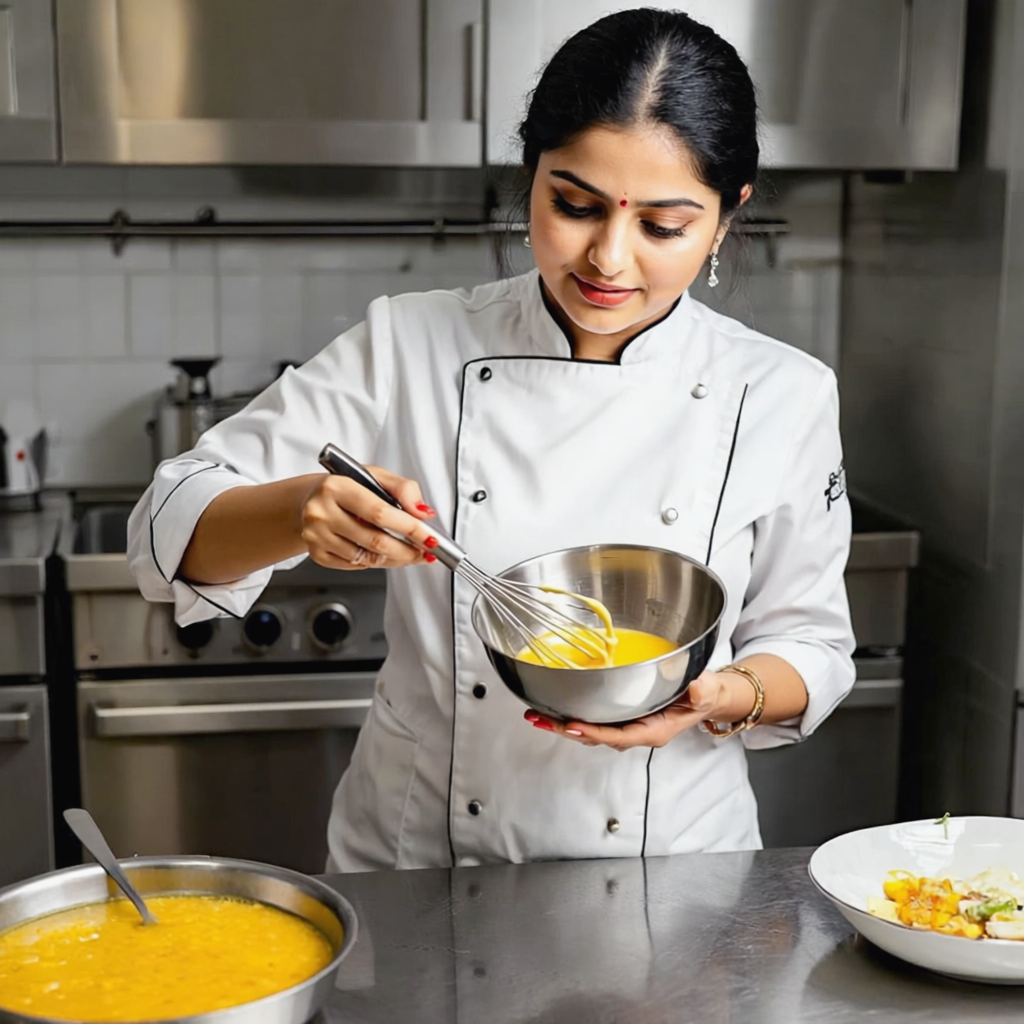
Emulsify the sauce by mixing the egg mixture off the heat.
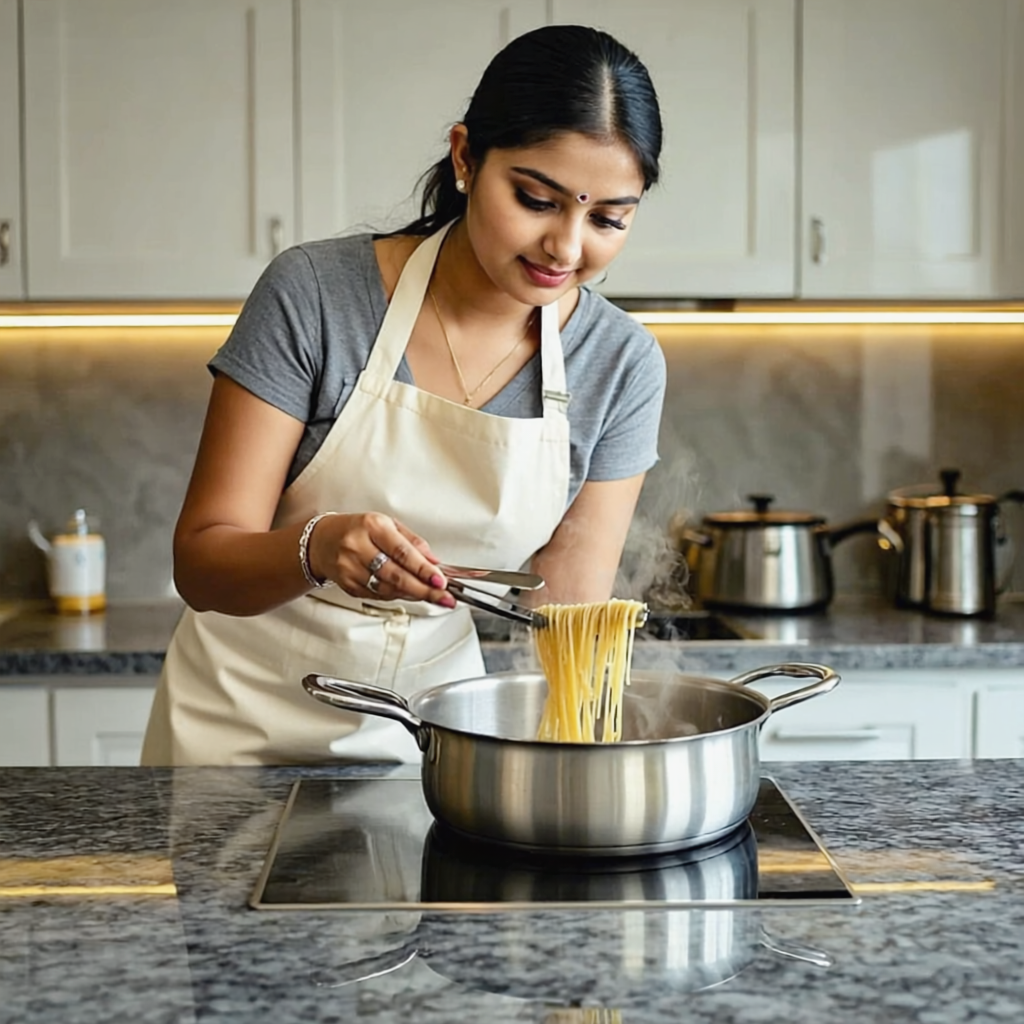
Monitor the pasta cooking time closely for perfect al dente texture.