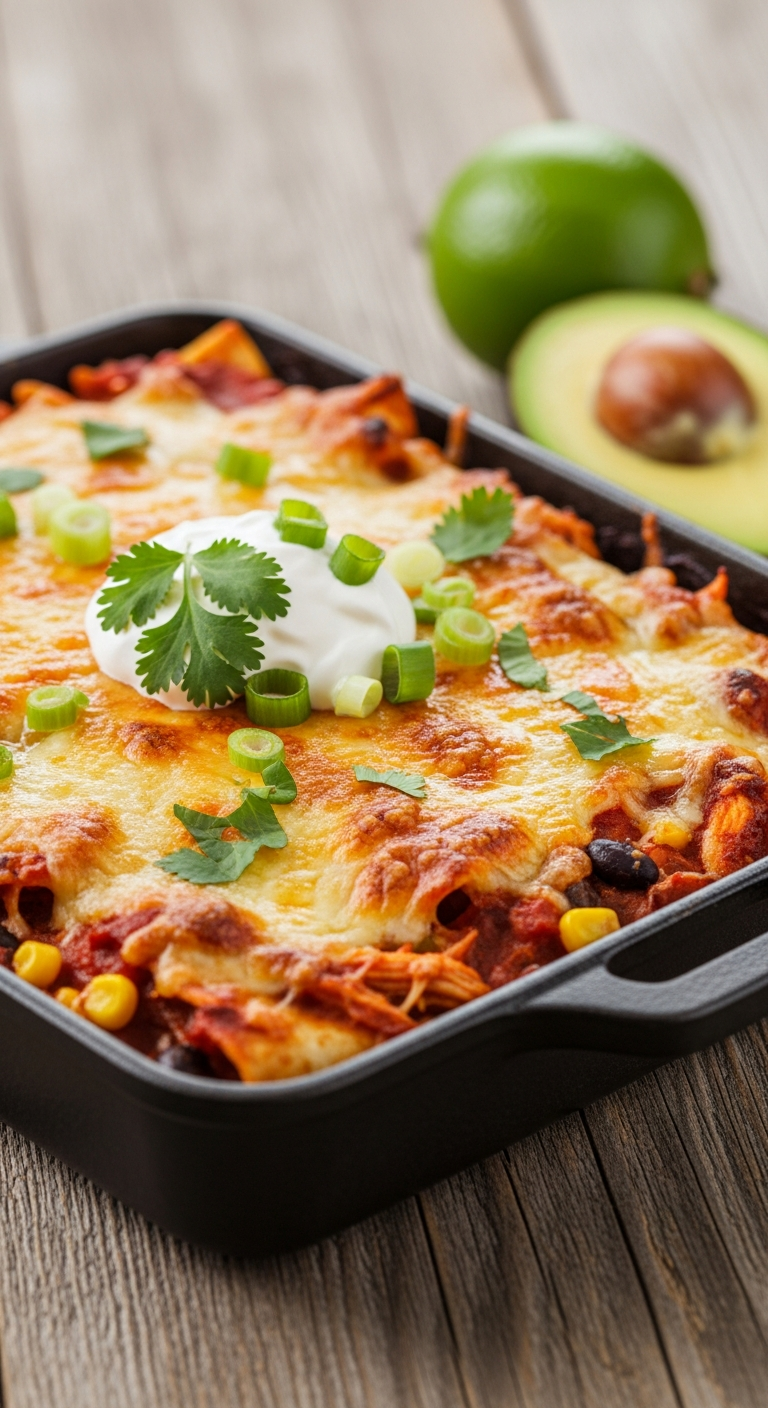
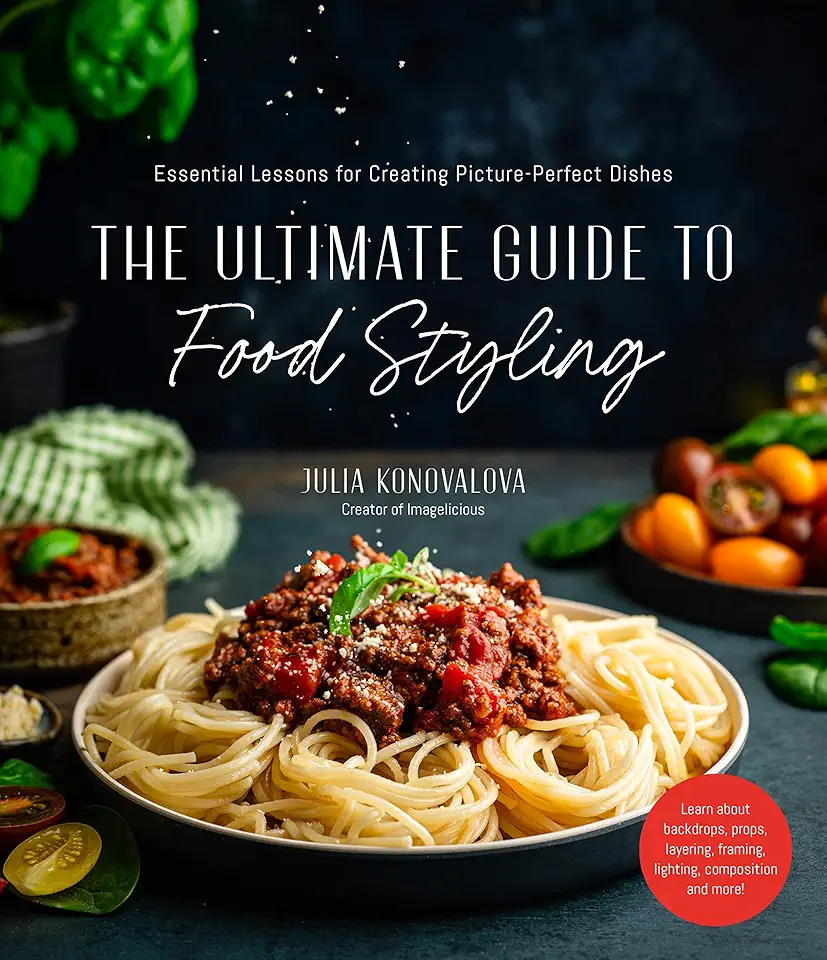
Food Styling Presentation Make Your Dishes Stand Out
Food styling is the art of preparing food for photography or presentation, with an emphasis on enhancing visual appeal. This lesson will guide you through the techniques and processes to make your dishes look as delicious as they taste.
Food Styling & Presentation: Make Your Dishes Stand Out
Food styling is the art of preparing food for photography or presentation, with an emphasis on enhancing visual appeal. This lesson will guide you through the techniques and processes to make your dishes look as delicious as they taste.
Step-by-Step Instructions
1. Plan Your Dish
- Choose a Theme: Identify the mood or theme of your meal-rustic, elegant, casual, etc.
- Select Complementary Colors: Consider color combinations that work well together to enhance the overall look.
2. Choose Your Plates and Utensils
- Plate Size and Shape: Use larger plates for smaller portions and vice versa. An odd shape can draw interest.
- Contrast: Use contrasting colors between the plate and the food to make the dish stand out.
3. Prepare the Food
- Freshness: Use the freshest ingredients possible for better color and texture.
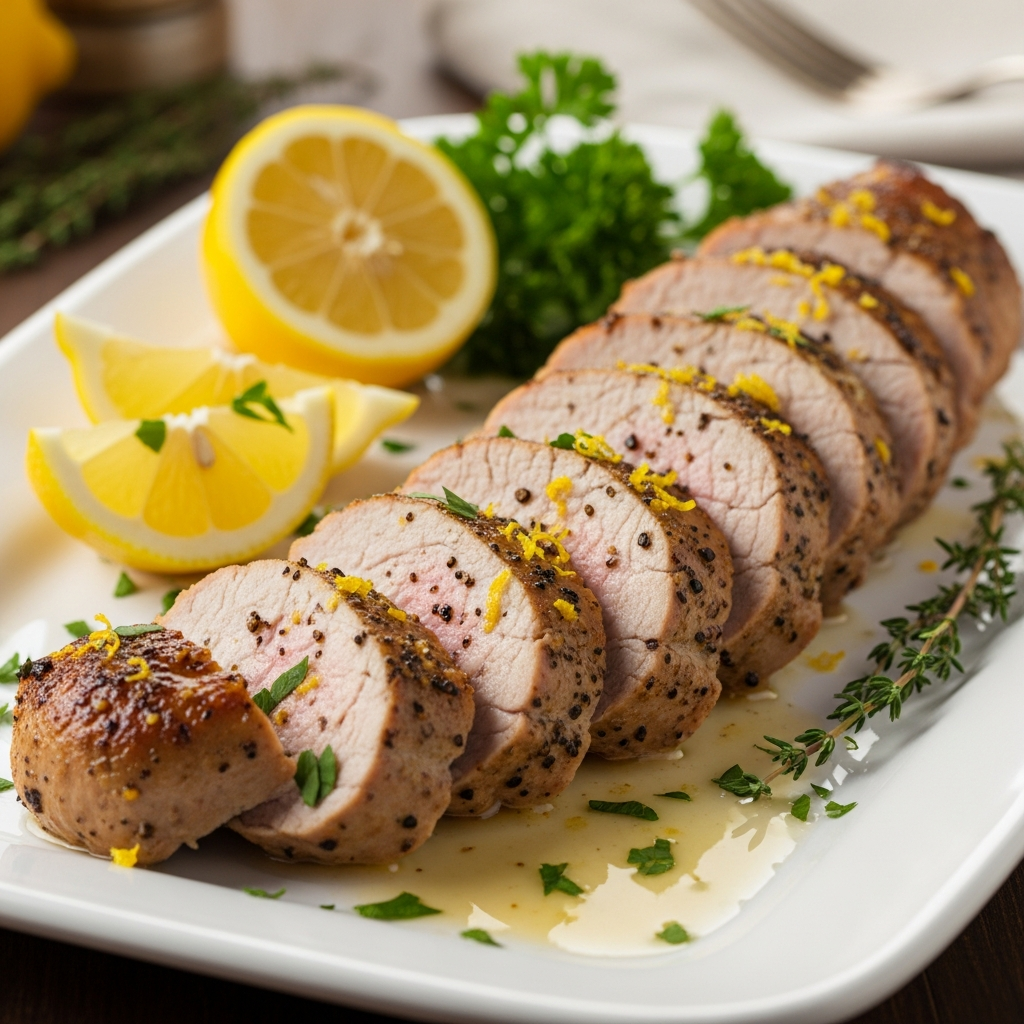
- Cooking Technique: Choose cooking styles that enhance textures, like grilling for char or poaching for softness.
4. Plating Techniques
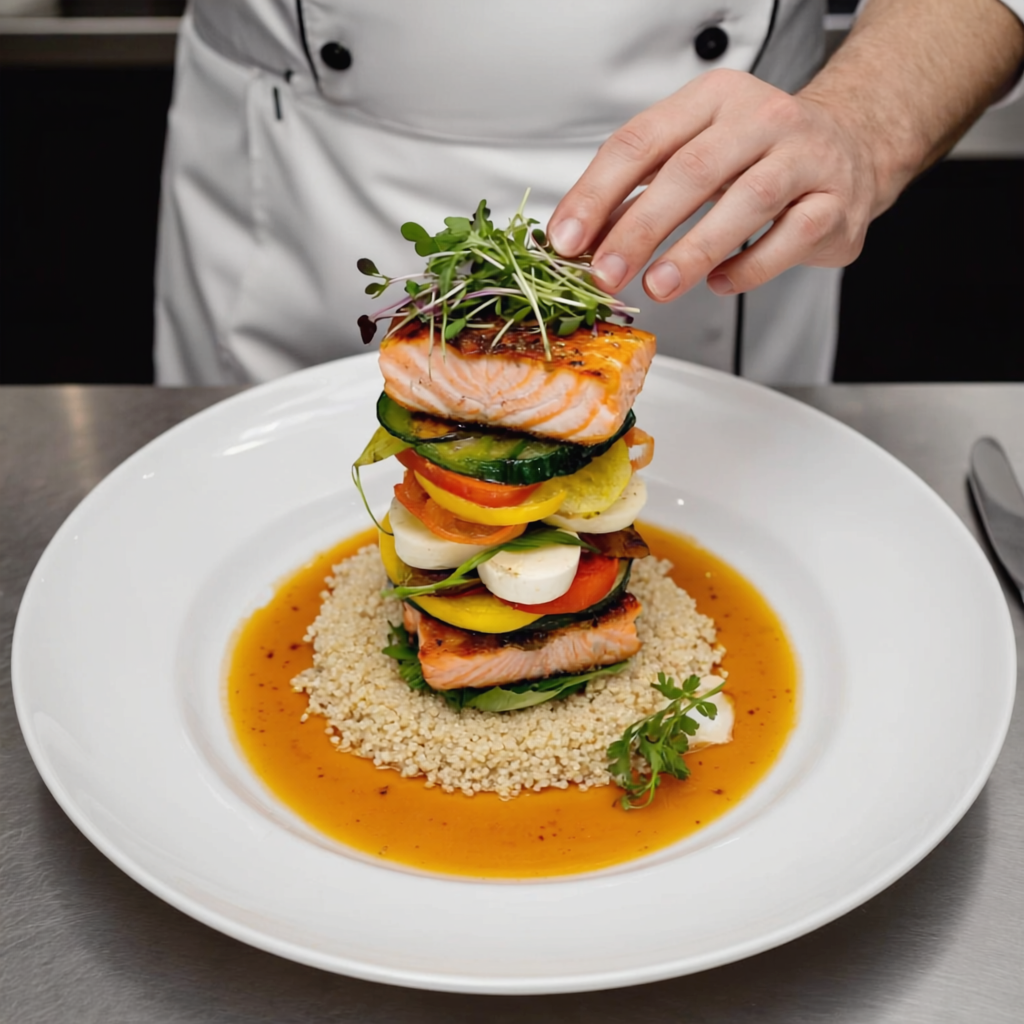
- Layering: Create height by stacking or layering components instead of placing everything flat.
- Using a Ring Mold: Shape components into a neat cylinder for a professional touch.
- Negative Space: Leave some areas of the plate blank-this prevents overcrowding and draws attention to the food.
5. Garnishing
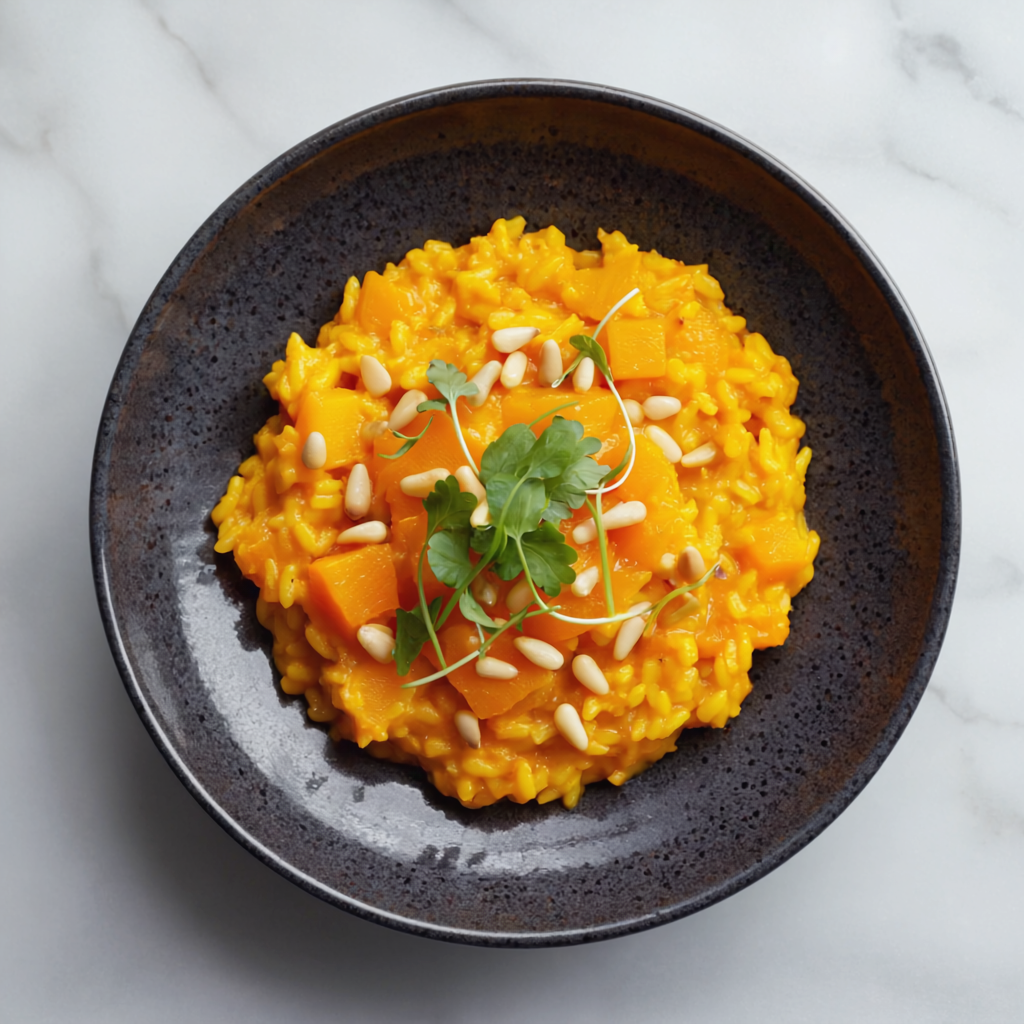
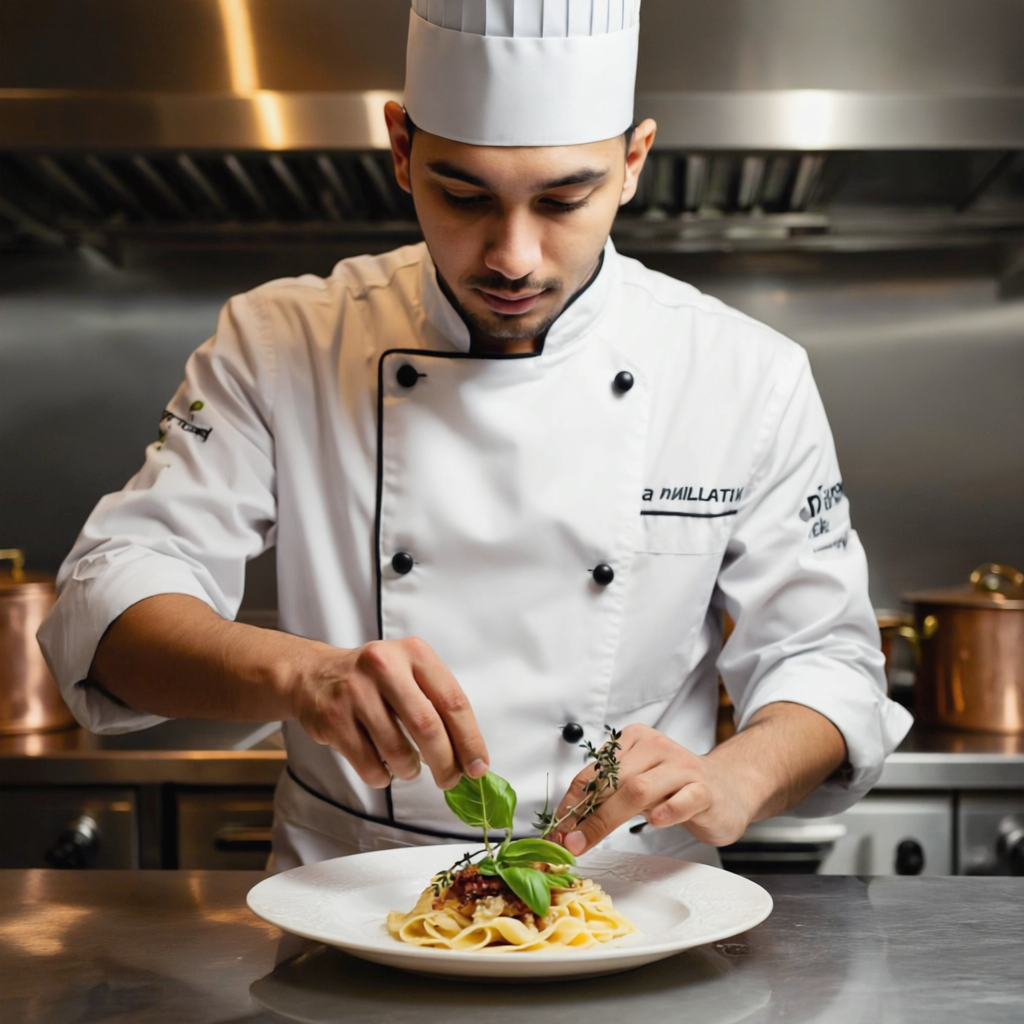
- Fresh Herbs: Use herbs to add color and vibrancy.
- Drizzles: Drizzle sauces around the dish or create "splatters" for a creative touch.
- Textures: Add crunch with nuts, seeds, or microgreens for visual complexity.
6. Final Touches
- Clean the Plate: Wipe any spills on the rim of the plate for a clean finish.
- Lighting: Select the right lighting (natural light is best) to enhance colors when photographing or displaying your dish.
Key Techniques
- Color Theory: Understand basic color theory to balance colors effectively in your dish.
- Texture Variation: Mix smooth and crunchy elements to create more interest.
- Height and Composition: Think about vertical vs. horizontal balance and symmetry in your arrangement.
Tips for Success
- Use tweezers to place delicate garnishes with precision.
- Experiment with different angles when photographing your dish.
- Keep ingredients seasonal for enhanced flavor and visual appeal.
Common Mistakes to Avoid
- Overcrowding: Avoid placing too many components on the plate; simplicity often wins.
- Ignoring Portion Size: Ensure food portions are not too large or small in relation to the plate size.
- Using Dull Colors: Avoid using ingredients that are visually bland; vibrant colors attract attention.
Variations
- Themed Presentations: Style food in accordance with holidays (e.g., Christmas colors) or events (e.g., a beach theme).
- Style for Different Courses: Appetizers may have smaller, intricate presentations, while main courses can be larger and more rustic.
- Dietary Variations: Adjust styling based on dietary preferences, such as vegan or gluten-free, but ensure the colors and textures remain dynamic.
By following these steps and applying key techniques, you can elevate your dishes, making them visually stunning and a joy to eat. Happy styling!