Introduction
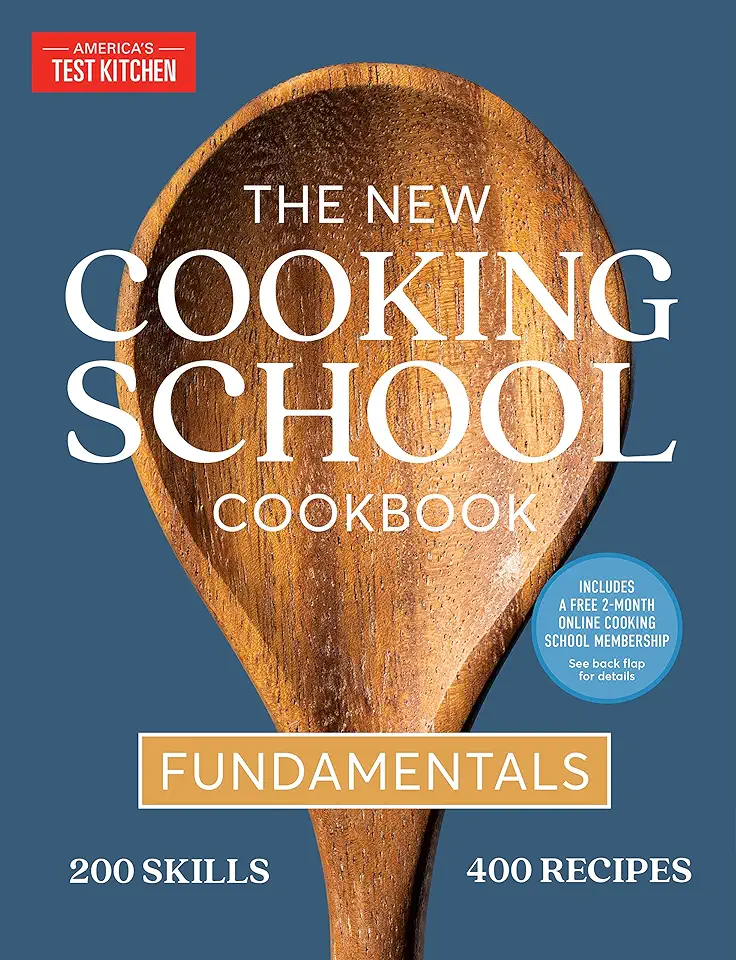
Welcome to Mastering the Basics, where we embark on a journey to elevate your culinary skills by focusing on the essential techniques that form the foundation of cooking. Whether youre a novice in the kitchen or looking to refine your skills, understanding the basics is crucial to creating delicious and consistent meals.
Introduction:
Welcome to "Mastering the Basics," where we embark on a journey to elevate your culinary skills by focusing on the essential techniques that form the foundation of cooking. Whether you're a novice in the kitchen or looking to refine your skills, understanding the basics is crucial to creating delicious and consistent meals. In this lesson, we'll explore fundamental techniques that will empower you to cook with confidence and creativity.
By the end of this lesson, you'll have a solid grasp of essential cooking methods, including sautéing, roasting, and boiling, as well as an understanding of how to select and prepare key ingredients. Let's dive in and transform your cooking from simple to spectacular.
Key Concepts:
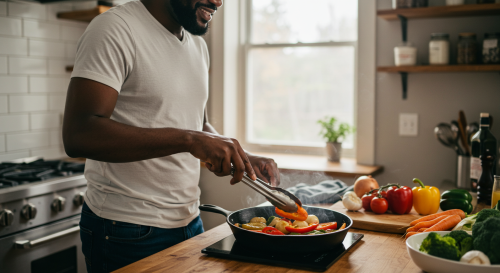
- Sautéing: A quick cooking method using a small amount of oil or fat in a pan over high heat. Perfect for vegetables and proteins, it helps develop flavor and texture.
- Roasting: Cooking food in an oven with dry heat, ideal for meats and vegetables. This method enhances flavors through caramelization.
- Boiling: Cooking food in water or broth at a high temperature. Ideal for pasta, grains, and vegetables, it's a fundamental technique in many cuisines.
- Ingredient Selection: Choosing fresh, high-quality ingredients is key to successful cooking. Look for vibrant colors and firm textures.
Step-by-Step Instructions:
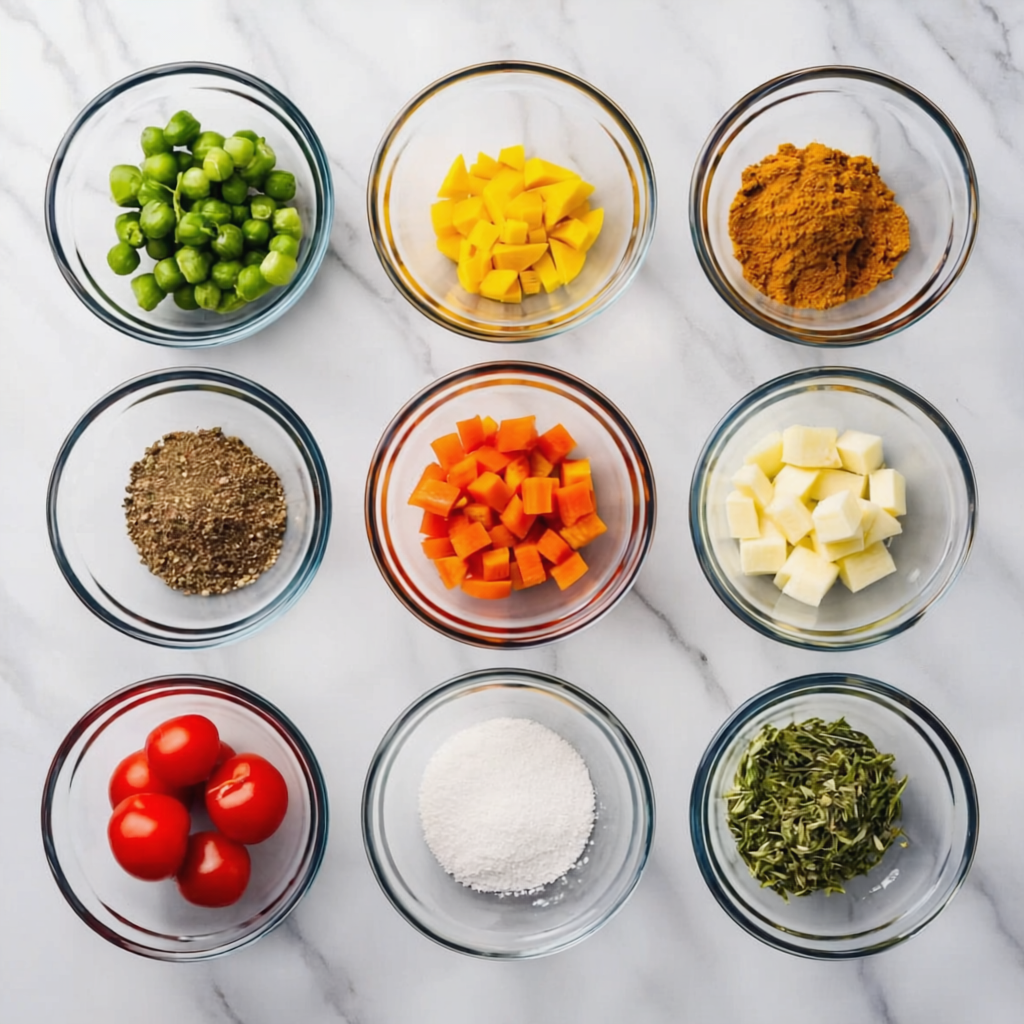
- Prepare your Ingredients: Wash and chop vegetables uniformly for even cooking. Trim and season proteins to enhance flavor.
- Heat the Pan: For sautéing, heat a pan over medium-high heat and add oil. Wait until it's shimmering before adding ingredients.
- Sauté the Ingredients: Add vegetables or proteins to the pan. Stir occasionally to ensure even cooking. Remove once golden brown.
- Preheat the Oven for Roasting: Set your oven to 400°F (200°C). Arrange meats or vegetables on a baking sheet, drizzle with oil, and season.
- Roast to Perfection: Place your baking sheet in the oven and roast until ingredients are tender and caramelized, usually 20-30 minutes.
- Boil the Water: Bring a pot of salted water to a rolling boil. Add pasta or grains and cook according to package instructions.
- Drain and Serve: Once boiled, drain the water and serve immediately, or rinse with cold water if needed for later use.
Tips and Techniques:
- Tip: Always preheat your pan or oven to ensure even cooking.
- Common Mistake: Overcrowding the pan when sautéing can lead to steaming instead of browning.
- Pro Technique: Deglaze the pan with a splash of wine or broth after sautéing to create a flavorful sauce.
Variations and Substitutions:
- Vegetarian: Replace proteins with hearty vegetables like mushrooms or tofu for a vegetarian twist.
- Gluten-Free: Use gluten-free pasta or grains when boiling.
- Skill Level Adaptations: Beginners can start with simple vegetables for sautéing, while advanced cooks can experiment with complex flavor combinations.
Conclusion:
Congratulations on mastering the basics of cooking! With these fundamental techniques under your belt, you're now equipped to tackle a variety of recipes with confidence. Remember, practice makes perfect, so keep experimenting with different ingredients and methods. Store leftovers in airtight containers and refrigerate promptly to maintain freshness.
As you continue to develop your skills, these foundational techniques will serve as the backbone of your culinary repertoire. Happy cooking!