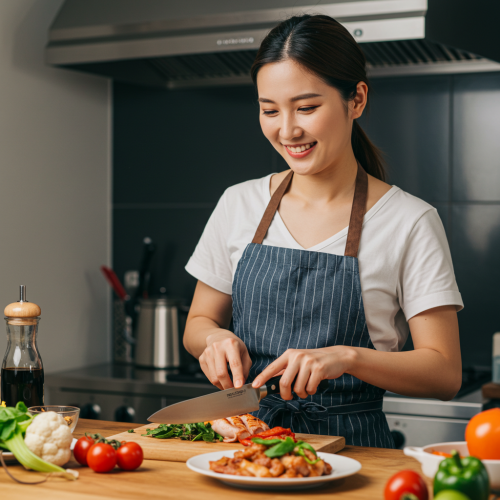
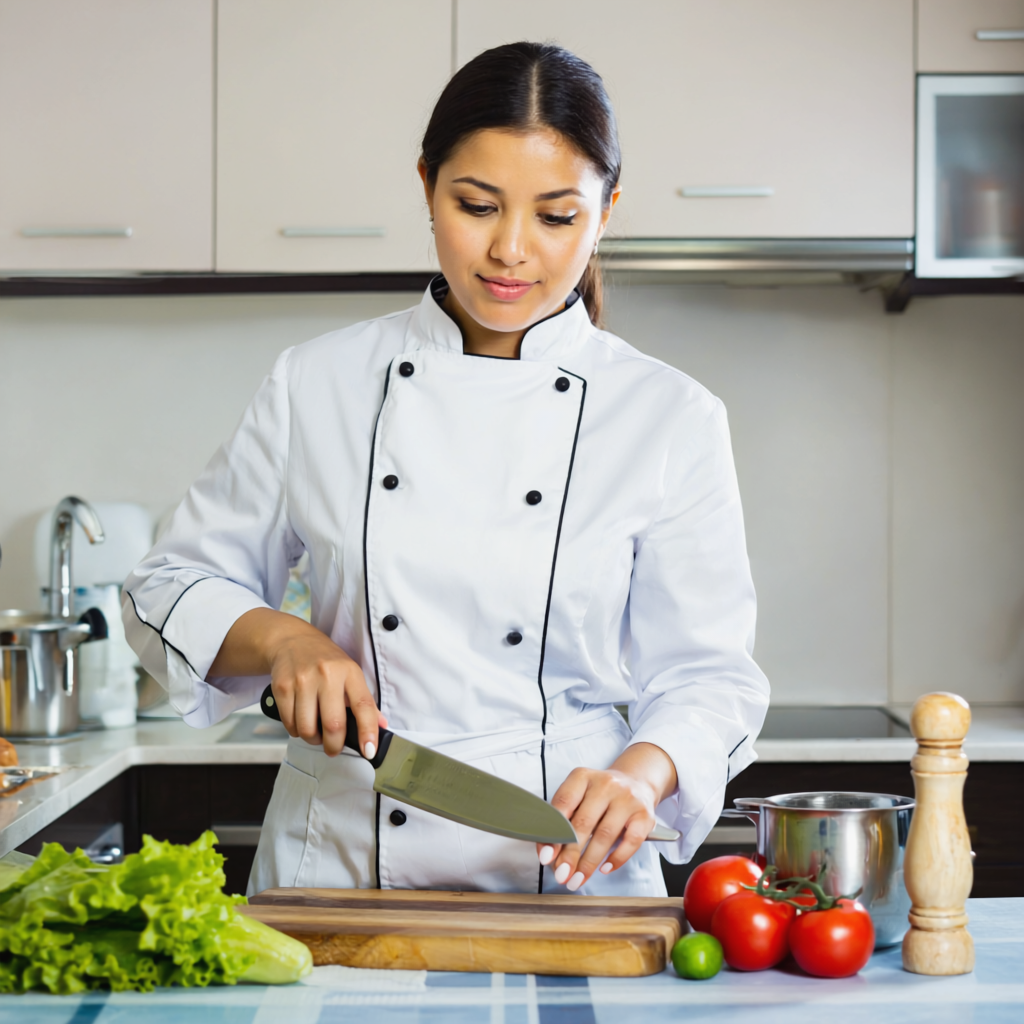
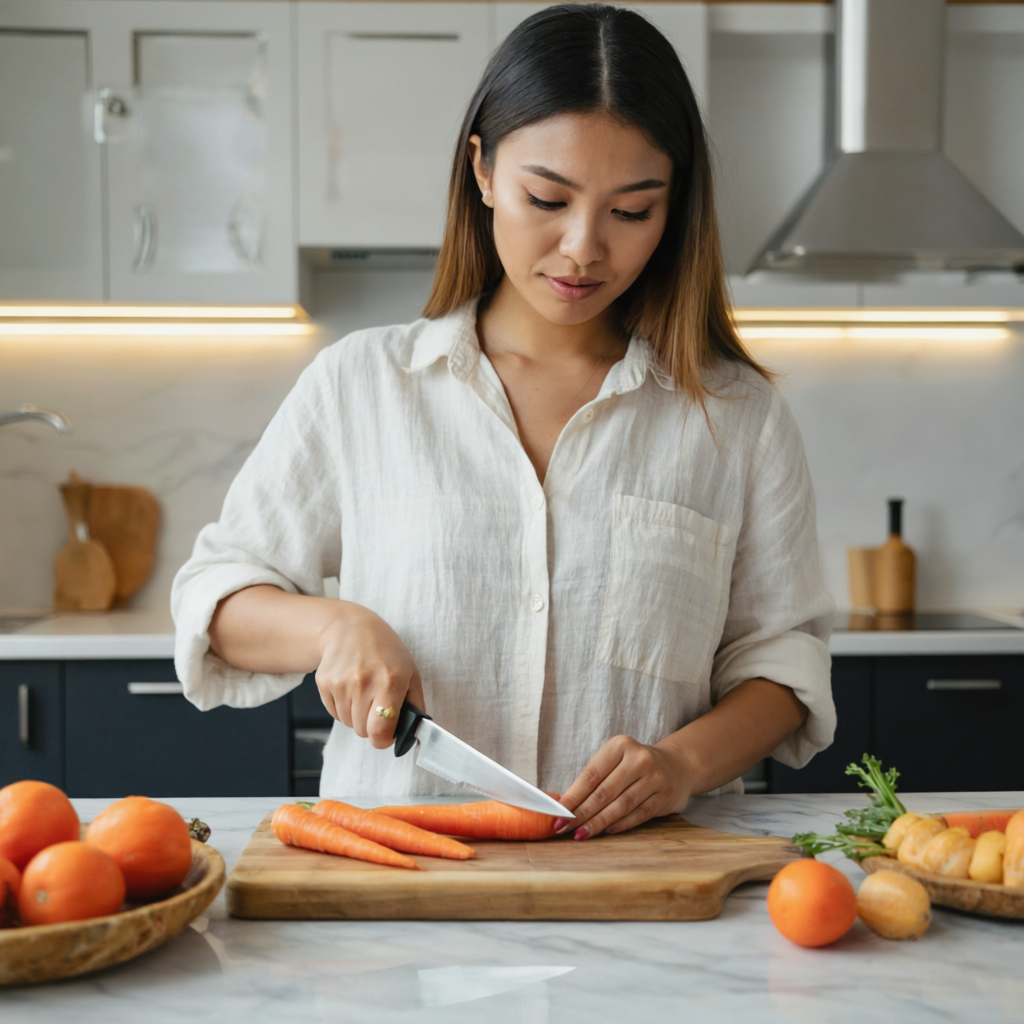
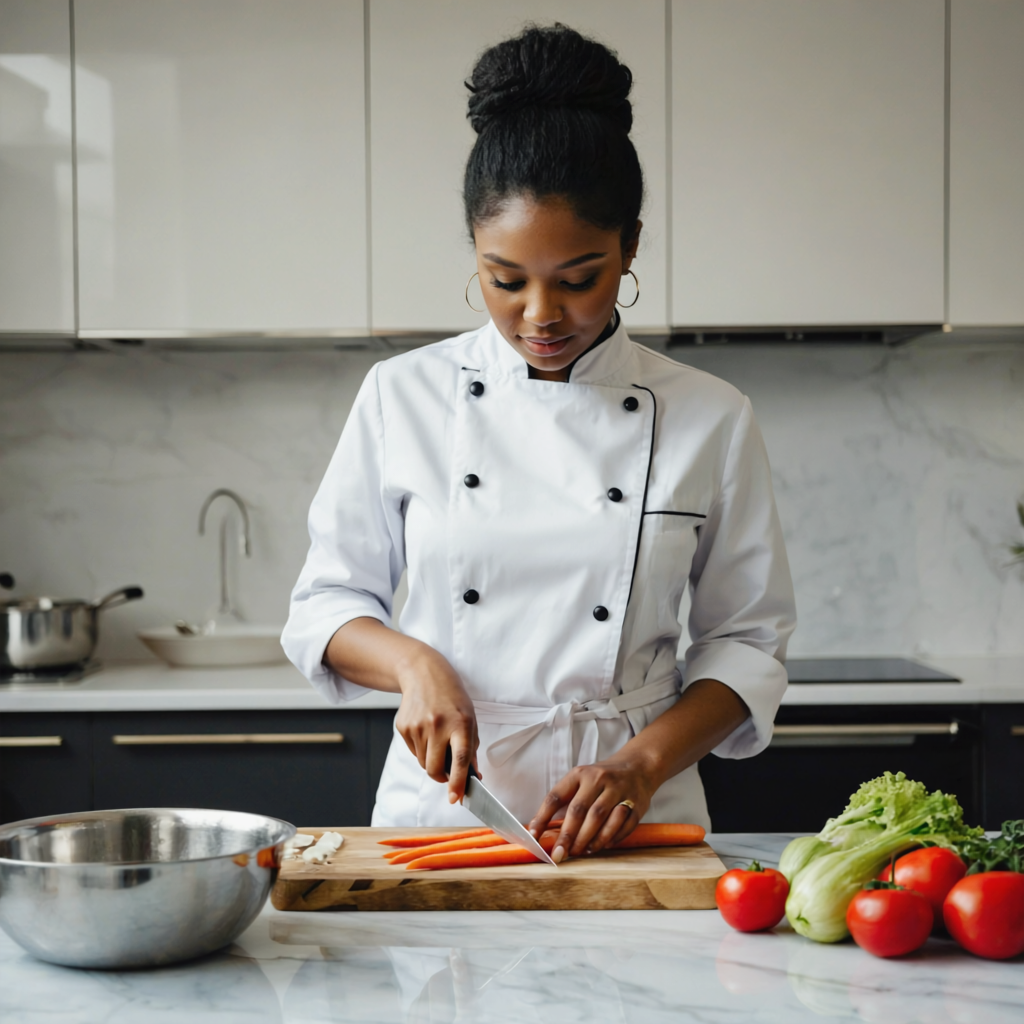
Welcome to the world of knife skills-an essential foundation for any aspiring home cook or seasoned chef. Mastering proper knife techniques not only enhances your efficiency in the kitchen but also ensures safety and precision while preparing your meals.
Welcome to the world of knife skills-an essential foundation for any aspiring home cook or seasoned chef. Mastering proper knife techniques not only enhances your efficiency in the kitchen but also ensures safety and precision while preparing your meals. In this lesson, you'll learn the fundamental skills needed to handle a knife with confidence, explore various cutting techniques, and understand the importance of knife care.
By the end of this lesson, you'll have the knowledge to chop, dice, and slice like a pro, making your cooking experience more enjoyable and your dishes more visually appealing.
Key Concepts
- Knife Grip: Learn the correct way to hold a knife to maximize control and minimize fatigue. Typically, you should grip the handle firmly with your thumb and index finger pinching the blade just above the handle.
- Cutting Techniques: Familiarize yourself with common cuts such as chopping, dicing, mincing, julienne, and chiffonade.
- Knife Care: Understand how to maintain your knives, including honing and sharpening, to ensure they remain effective and safe.
Step-by-Step Instructions
- Start by selecting a sharp knife and a stable cutting board.
- Grip the Knife: Hold the knife handle firmly, with your thumb and index finger gripping the blade for better control.
- Chopping: For vegetables like onions, slice them in half, then make vertical and horizontal cuts before chopping them into cubes.
- Slicing: Use a smooth, steady motion to slice through ingredients like tomatoes or cucumbers, ensuring even thickness.
- Mincing: For herbs or garlic, gather them into a pile and use a rocking motion with the knife to finely mince.
- Practice these techniques with various ingredients to build confidence and improve your speed.
Tips and Techniques
- Safety First: Always ensure your knife is sharp; a dull knife requires more force and increases the risk of slipping.
- Keep Fingers Safe: Use your non-dominant hand to hold the ingredient like a claw, keeping fingertips tucked under to avoid cuts.
- Mind the Blade: Pay attention to the direction of the blade, and never let your fingers or other body parts be in its path.
- Practice: Regular practice will help you develop muscle memory, improving both your speed and accuracy over time.
Variations and Substitutions
- Dietary Preferences: Adapt the techniques using different vegetables or fruits to suit various dietary needs or preferences.
- Skill Levels: Beginners can start with simpler cuts and gradually progress to more complex techniques as they gain confidence.
- Tool Alternatives: If a chef's knife feels intimidating, start with a smaller paring knife until you feel more comfortable.
Congratulations on taking the first step towards improving your knife skills! Remember, practice is key to mastering these techniques. Store your knives properly in a knife block or on a magnetic strip to keep them sharp and safe. As you become more comfortable with your knife skills, you'll find they become an integral part of your broader culinary journey, enhancing both the efficiency and enjoyment of your cooking experiences. Happy chopping!