Week 18: Pan Sauces
0:00 / 0:00
Generating audio...
⏱ 3 min read
📝 572 words
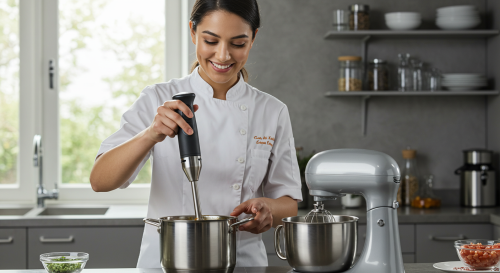
Welcome to the flavorful world of pan sauces! These delectable concoctions are the secret weapon of many professional chefs, transforming simple meals into gourmet experiences.
Welcome to the flavorful world of pan sauces! These delectable concoctions are the secret weapon of many professional chefs, transforming simple meals into gourmet experiences. A well-crafted pan sauce captures the essence of a dish, using the concentrated flavors left in the pan after cooking proteins to create a rich, savory complement. Today, you'll learn how to harness these flavors, turning everyday meals into culinary masterpieces.
By the end of this lesson, you'll understand the key techniques for making pan sauces, discover essential ingredients, and gain the confidence to experiment with your own creations. Whether you're looking to elevate a weeknight dinner or impress guests at a dinner party, mastering pan sauces will expand your culinary repertoire.
Key Concepts
To create a successful pan sauce, it's crucial to understand a few fundamental principles:
- Deglazing: This involves adding liquid to a hot pan to loosen and dissolve the flavorful bits (fond) left behind after cooking. Common liquids include wine, broth, or even water.
- Reduction: As the liquid simmers, it reduces in volume, concentrating the flavors. This step is essential for achieving the desired sauce consistency and depth.
- Emulsification: A technique where fat (like butter or cream) is whisked into the reduced liquid to create a smooth, velvety sauce.
Step-by-Step Instructions
- Sear Your Protein: Cook your choice of protein (chicken, beef, pork, or fish) in a hot pan with a little oil until it's well-browned and cooked through. Remove the protein and set it aside, keeping the pan on the heat.
- Deglaze the Pan: Add about 1/2 cup of liquid (such as wine or broth) to the hot pan. Use a wooden spoon to scrape up the fond from the bottom of the pan as the liquid bubbles.
- Reduce the Liquid: Allow the liquid to simmer and reduce by about half, concentrating the flavors. This usually takes a few minutes.
- Add Flavorings: Stir in aromatics like minced garlic, shallots, or herbs, and let them cook briefly to release their flavors.
- Finish the Sauce: Remove the pan from the heat and whisk in a tablespoon or two of cold butter, one piece at a time, until the sauce is smooth and glossy. Season with salt and pepper to taste.
Tips and Techniques
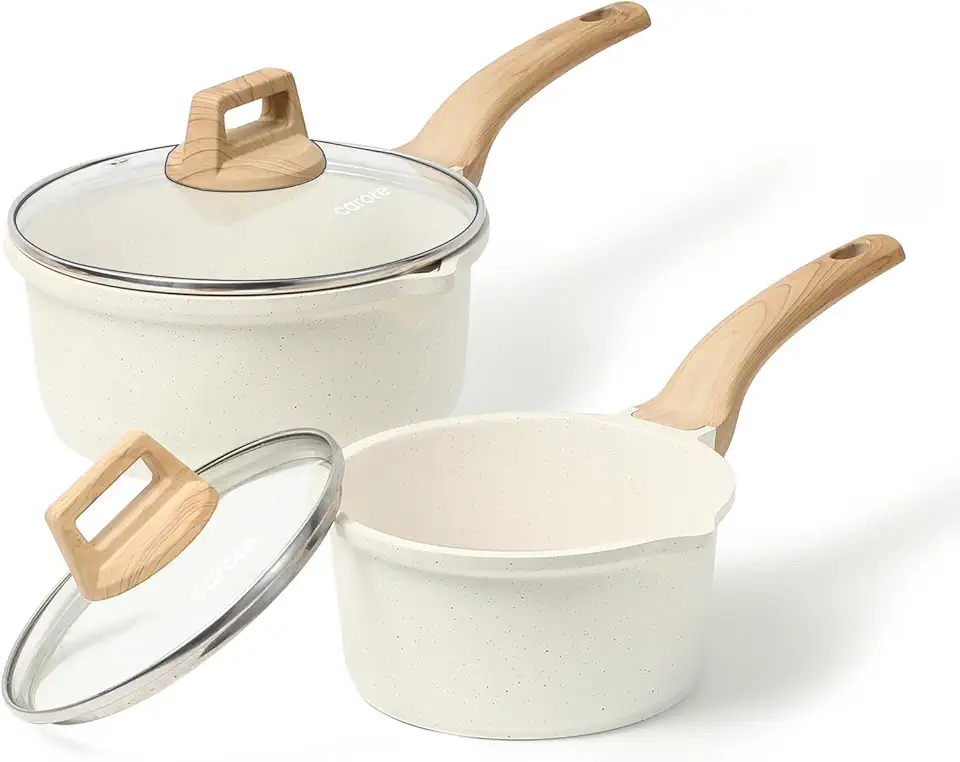
- Tip: Use a heavy-bottomed pan to ensure even heat distribution and prevent burning.
- Common Mistake: Avoid adding too much liquid at once; it can dilute the flavors instead of concentrating them.
- Pro Technique: For an extra layer of flavor, add a splash of acid (like lemon juice or vinegar) to brighten the sauce at the end.
Variations and Substitutions
Pan sauces are incredibly versatile and can be adapted to suit different preferences and dietary needs:
- Dietary Needs: Use vegetable broth and olive oil instead of butter for a vegan version.
- Flavor Variations: Try adding mustard or soy sauce for an umami boost.
- Skill Level: Beginners can start with simple flavors like garlic and herbs, while advanced cooks might experiment with infused oils or exotic spices.
Conclusion
Congratulations on mastering the art of pan sauces! This skill not only enhances your cooking but also encourages creativity in the kitchen. Remember, the key is practice and experimentation. Store any leftover sauce in an airtight container in the refrigerator for up to three days, and use it to enhance other dishes. With this foundation, you're well on your way to creating a myriad of delicious and distinctive sauces that will elevate your cooking game to new heights!
Lesson Tips
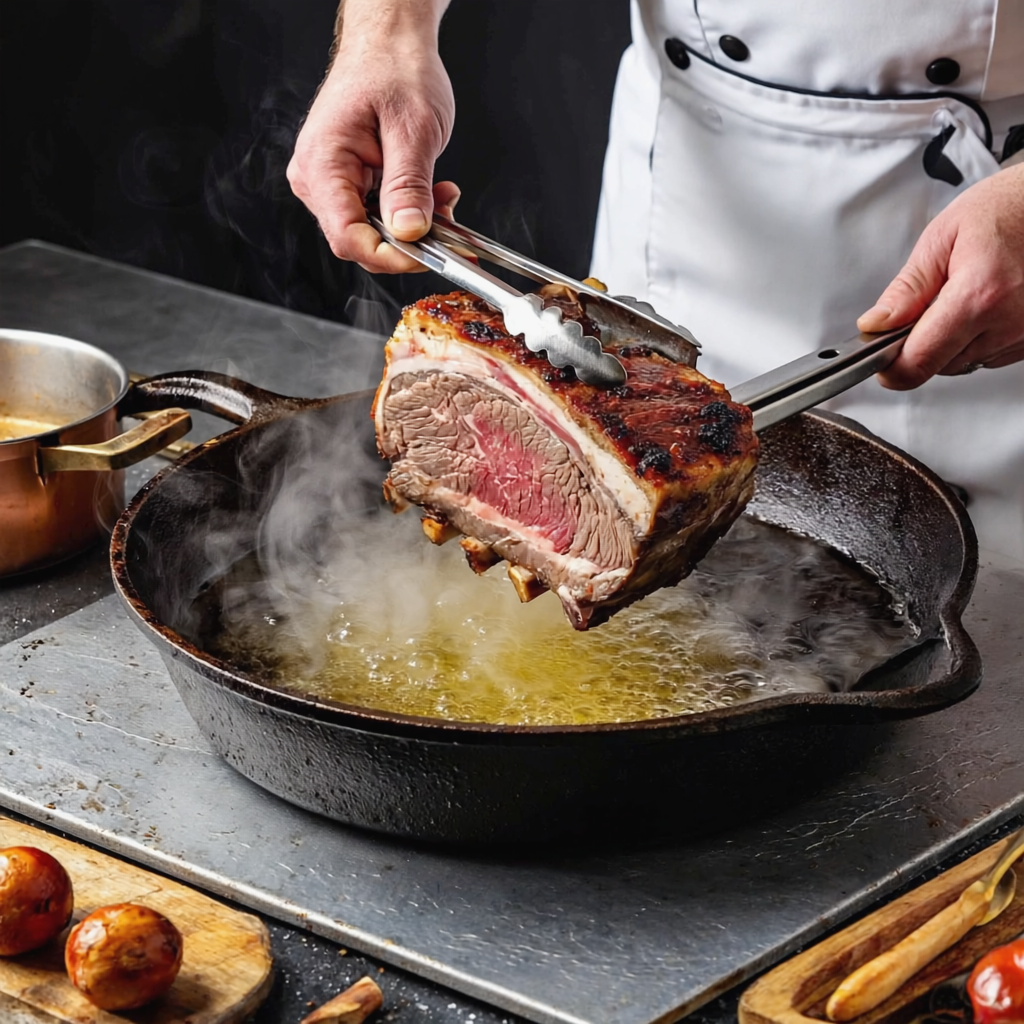
Sear meat before braising to build a rich fond for sauces.
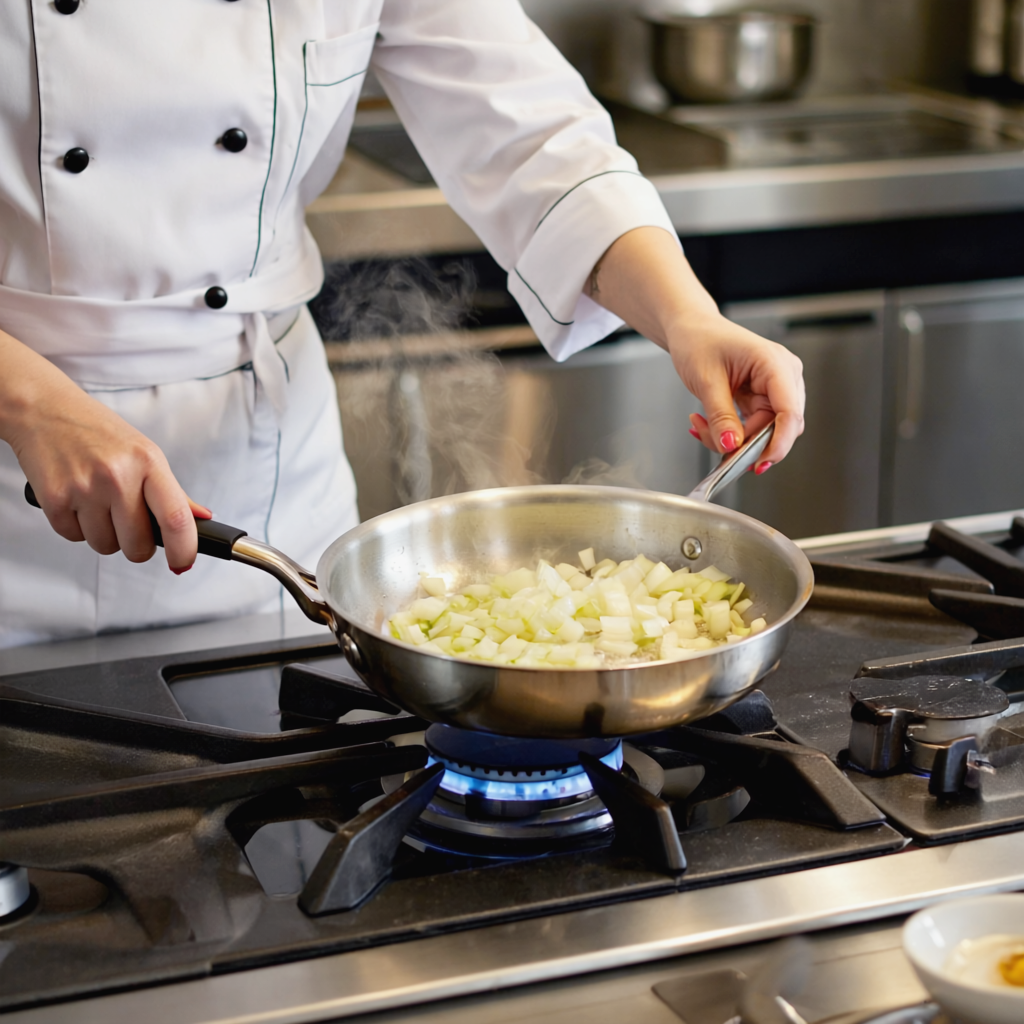
Cook aromatics like onions and garlic first for a strong flavor base.
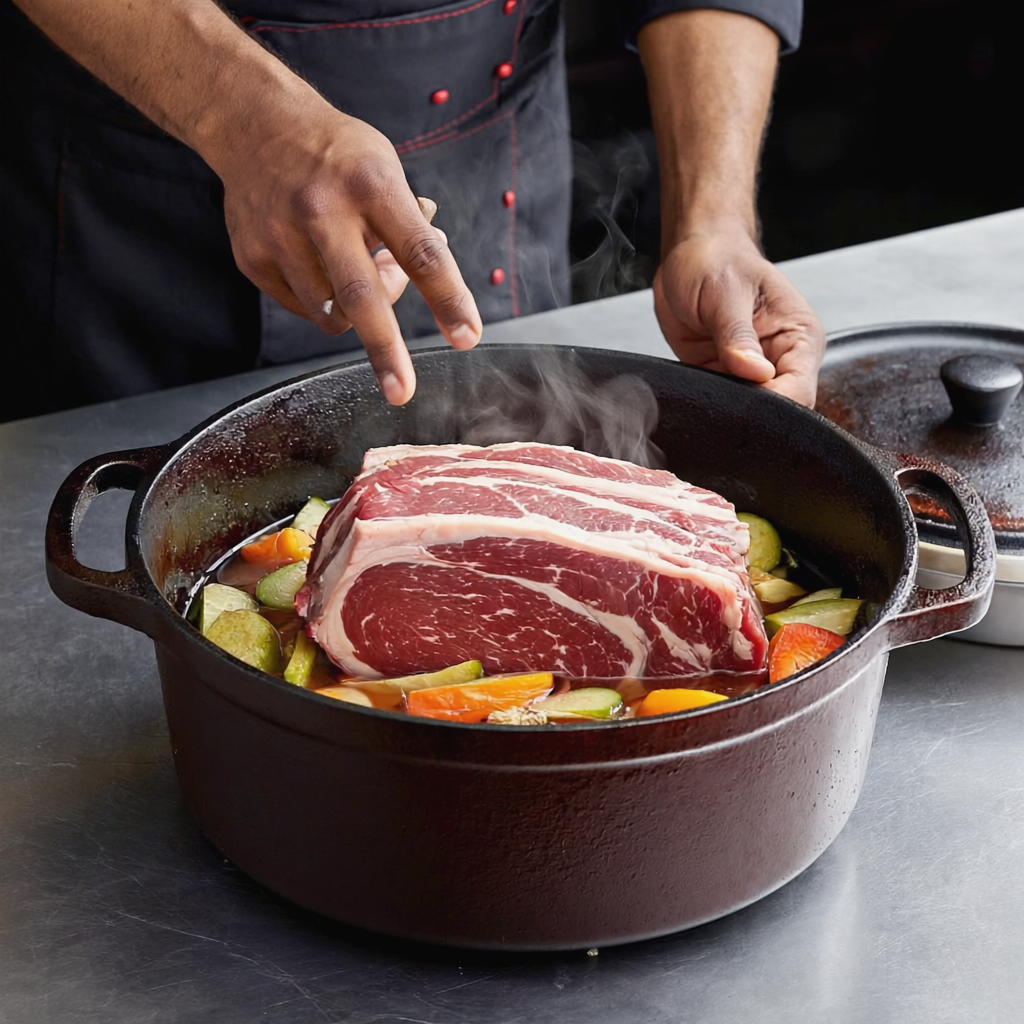
Use a heavy pot with a tight lid to retain moisture during braising.