Meal Prepping Simplify Your Week with Smart Planning
Meal prepping is a powerful technique that saves time and ensures you eat healthy throughout the week. By planning your meals in advance, you streamline cooking, minimize food waste, and promote better eating habits.
Meal Prepping: Simplify Your Week with Smart Planning
Meal prepping is a powerful technique that saves time and ensures you eat healthy throughout the week. By planning your meals in advance, you streamline cooking, minimize food waste, and promote better eating habits. Let's dive into a comprehensive guide to meal prepping.
Step-by-Step Instructions
- Plan Your Meals
- Choose recipes for the week. Aim for a mix of proteins, vegetables, and grains.
- Consider dietary needs and preferences (vegetarian, gluten-free, etc.).
- Write down a grocery list based on your planned meals.
- Shop Smart
- Stick to your grocery list to avoid impulse buys.
- Buy in bulk where possible; it's often cheaper and reduces packaging waste.
- Choose seasonal vegetables for better flavor and pricing.
- Set Aside Time to Cook
- Dedicate a day, usually Sunday, to meal prep.
- Clear and clean your kitchen workspace before you start.
- Cook Efficiently
- Start with ingredients that take longer to cook (e.g., grains, legumes).
- Use multiple burners; cook proteins and vegetables simultaneously.
- Batch cook items-prepare large quantities of grains and proteins.
- Store Smart
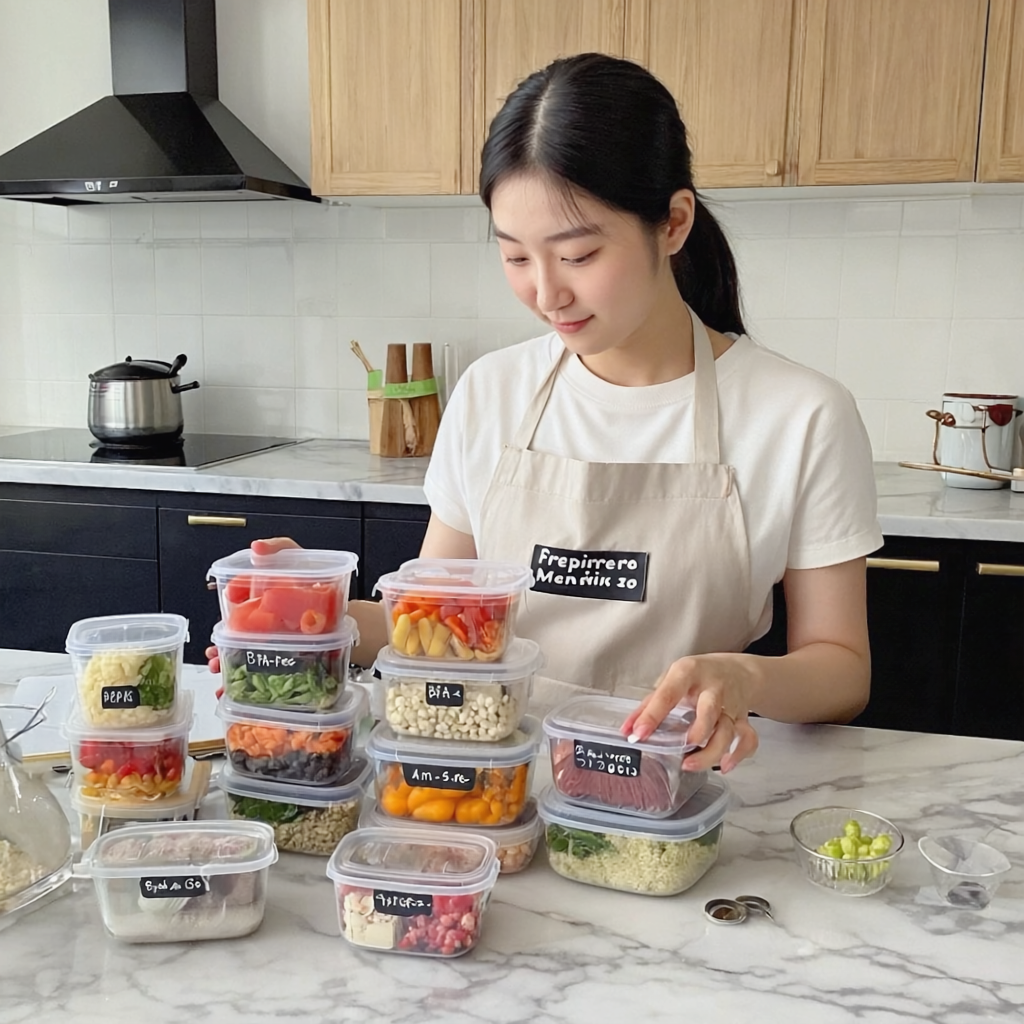
- Use clear containers so you can see what's inside.
- Label containers with the meal name and date cooked.
- Store meals in the fridge if consuming within a week, or freeze for longer storage.
Key Techniques
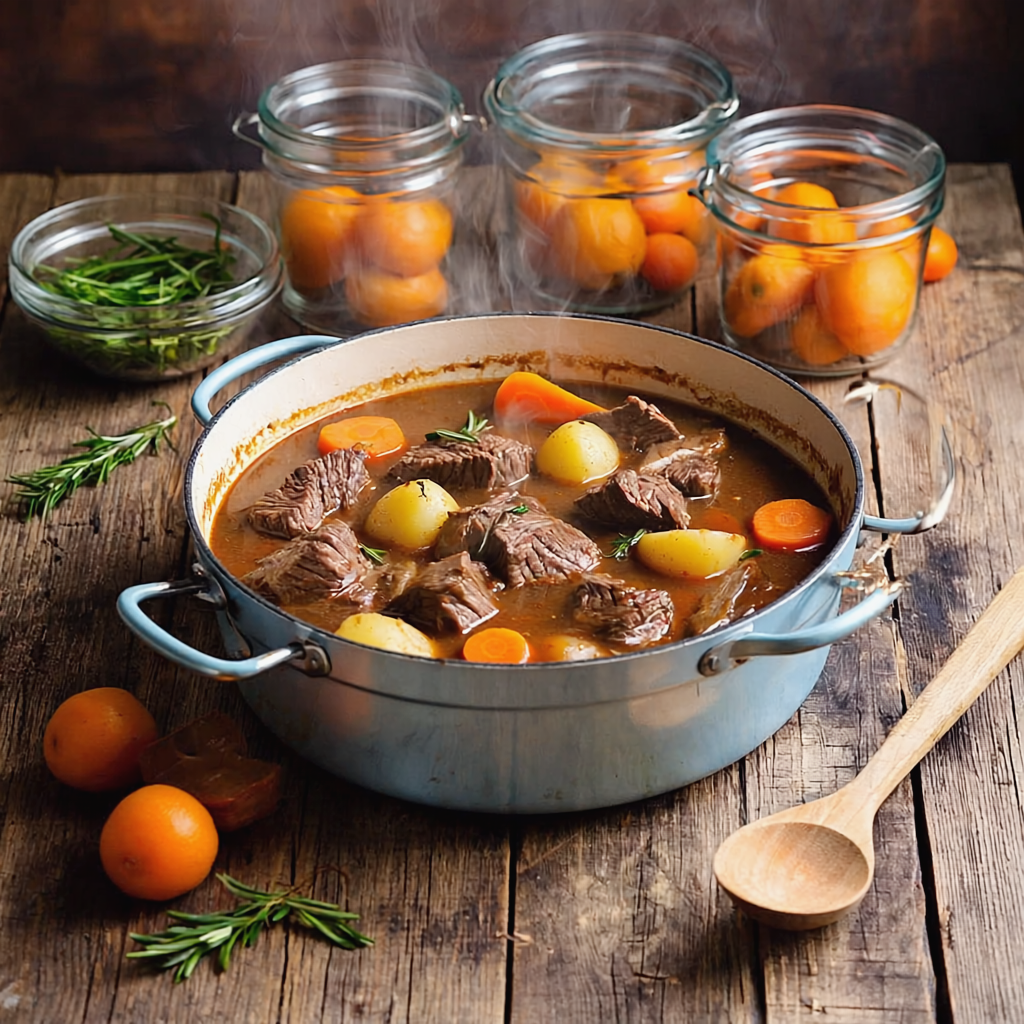
- Batch Cooking: Prepare large portions of food at once. This is ideal for soups, stews, and casseroles.
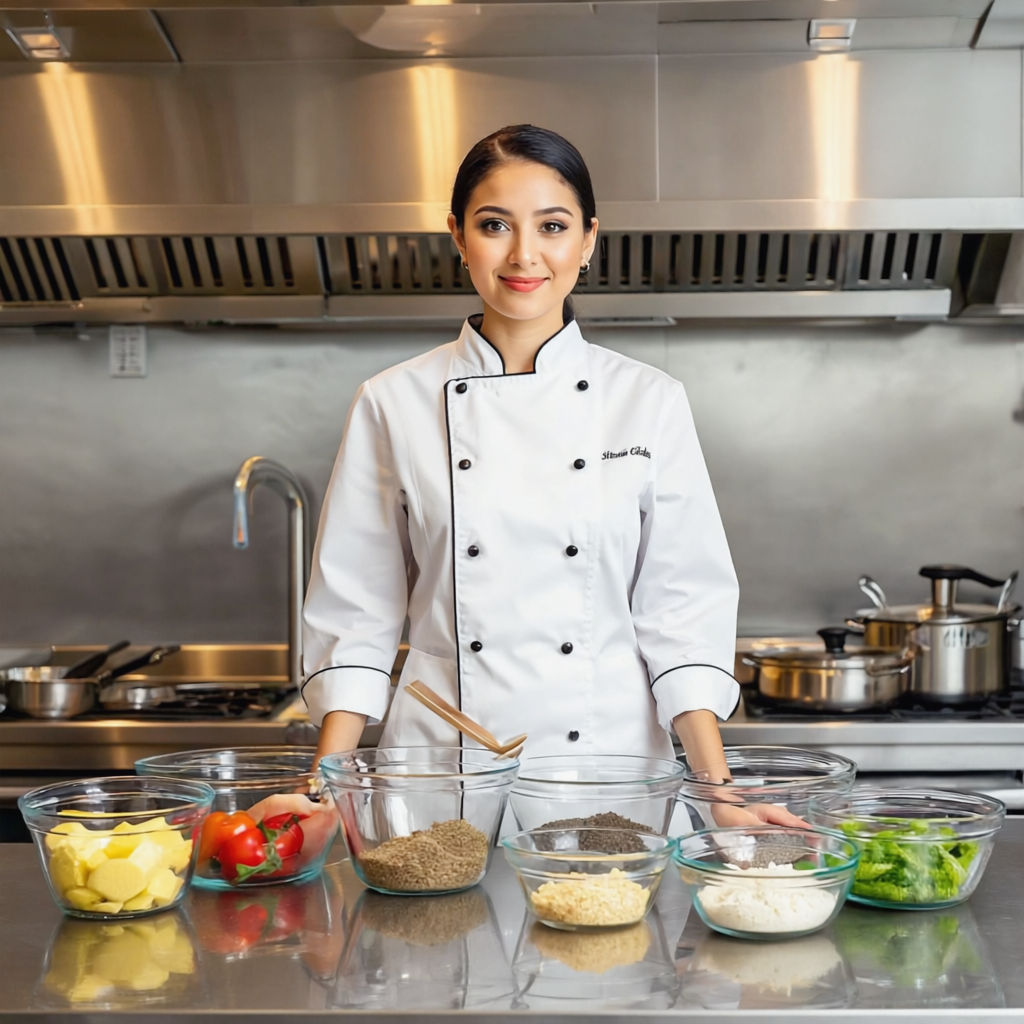
- Chopping and Prepping: Chop vegetables, marinate proteins, and measure out grains ahead of time.
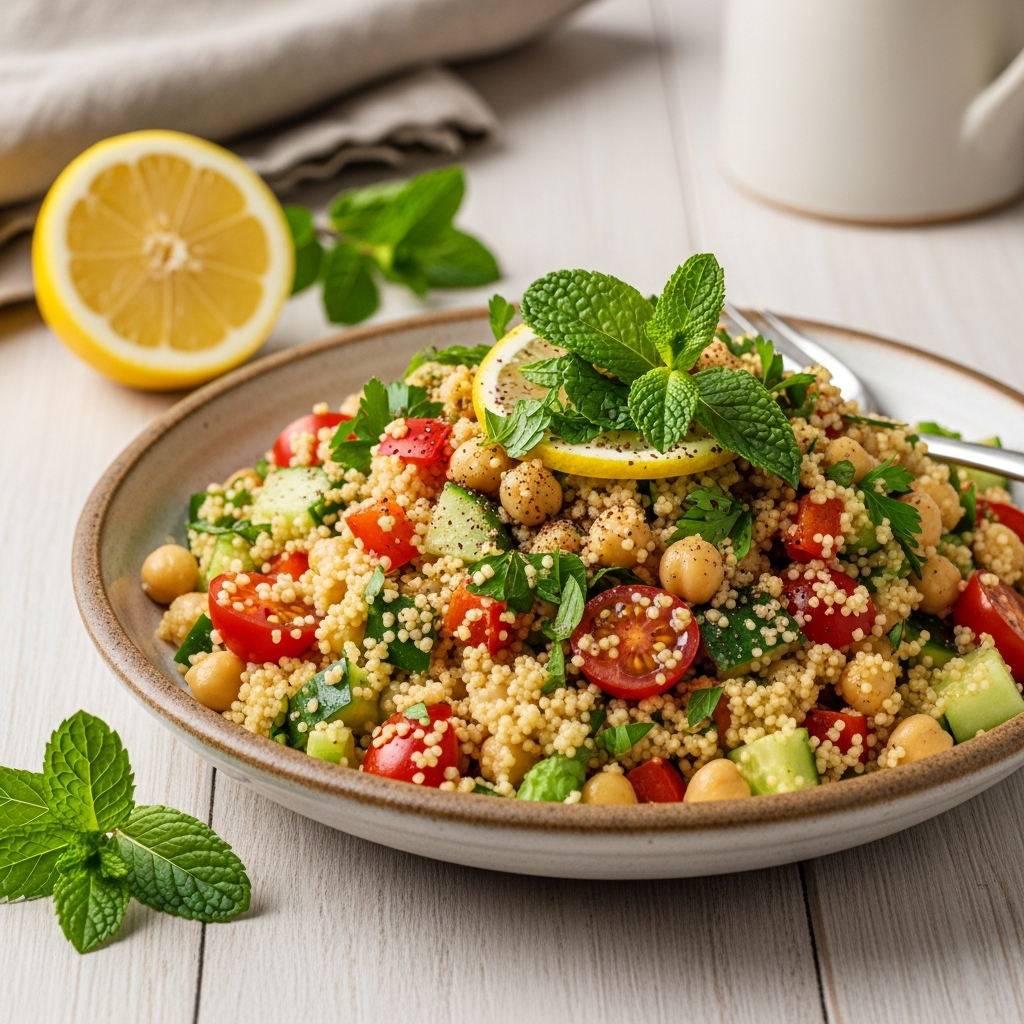
- Use Versatile Ingredients: Ingredients like quinoa, chicken, and broccoli can be used in various dishes throughout the week.
Tips for Successful Meal Prepping
- Incorporate variety: Change up your seasonings and sauces to keep meals interesting.
- Invest in good quality containers: Glass or BPA-free plastic containers that are microwave-safe are ideal.
- Keep it simple: Choose recipes that have minimal ingredients to save time.
Common Mistakes to Avoid
- Overcomplicating Meals: Choose simple recipes that don't require extensive cooking knowledge.
- Not Storing Properly: Make sure food is cooled before sealing in containers to prevent spoilage.
- Ignoring Portion Sizes: Measure portions to avoid overeating or under-eating throughout the week.
Variations to Try
- Breakfast Meal Prep: Prepare overnight oats, smoothie packs, or egg muffins.
- Snacks: Make energy balls, cut fruits and vegetables, or portion out nuts for easy grab-and-go snacks.
- Lunch/Dinner Bowls: Create customizable bowls with a base (rice, quinoa), protein (chicken, beans), and toppings (avocado, salsa).
With these instructions, tips, and techniques, you're well on your way to mastering meal prepping. This approach can transform your eating habits, save time, and make your week more manageable and enjoyable. Happy cooking!