Batch Cooking Basics Cook Once, Eat All Week
Batch cooking is a time-saving technique that involves preparing large quantities of food at once, allowing you to enjoy healthy meals throughout the week with minimal effort. This lesson will guide you through the basics of batch cooking, covering key techniques, step-by-step instructions, tips, common mistakes to avoid, and variations to keep your meals interesting.
Batch Cooking Basics: Cook Once, Eat All Week
Batch cooking is a time-saving technique that involves preparing large quantities of food at once, allowing you to enjoy healthy meals throughout the week with minimal effort. This lesson will guide you through the basics of batch cooking, covering key techniques, step-by-step instructions, tips, common mistakes to avoid, and variations to keep your meals interesting.
Step-by-Step Instructions:
- Plan Your Menu:
- Choose recipes that store well, such as soups, stews, grains, roasted vegetables, and proteins.
- Ensure your menu includes a variety of proteins, vegetables, and carbohydrates for a balanced diet.
- Consider your weekly schedule and plan for leftovers to avoid repetition.
- Grocery Shopping:
- Make a detailed shopping list based on your menu.
- Focus on fresh produce and proteins for maximum flavor and nutrition.
- Buy in bulk when possible to save money.
- Prepare Your Workspace:
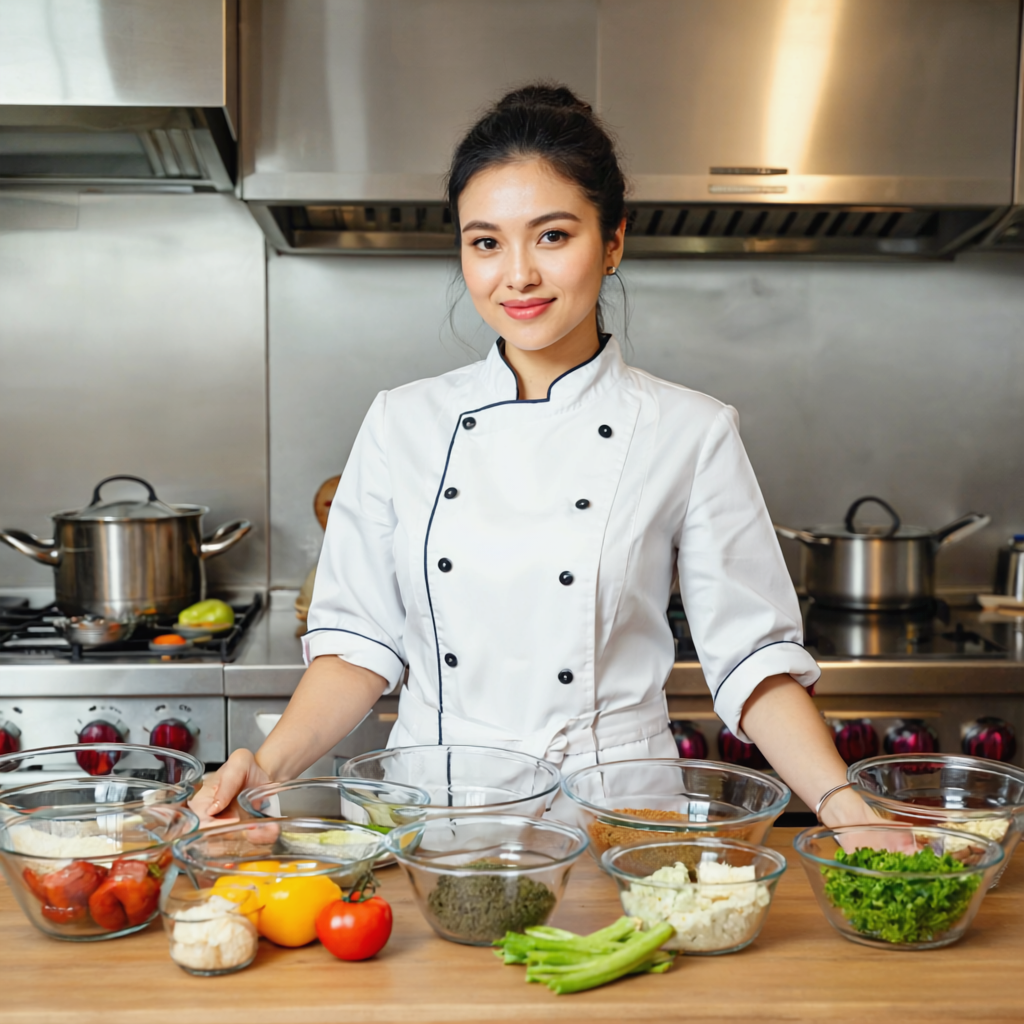
- Clear your kitchen counters and gather your cooking tools: pots, pans, cutting boards, knives, and storage containers.
- Organize your ingredients for easy access.
- Cook in Stages:
- Start with Proteins:
- Cook proteins that take the longest (e.g., chicken, beef) first.
- Use different cooking methods (e.g., baking, grilling, stovetop) for variety.
- Prepare Grains:
- Cook large batches of grains like quinoa, rice, or pasta using a pot or rice cooker.
- Create Vegetable Dishes:
- Roast, steam, or sauté a variety of seasonal vegetables.
- Use different seasonings to change the flavor profile of each dish.
- Combine and Flavor:
- Mix and match proteins, grains, and vegetables to create different meals.
- Add sauces or dressings to enhance flavors.
- Storage:
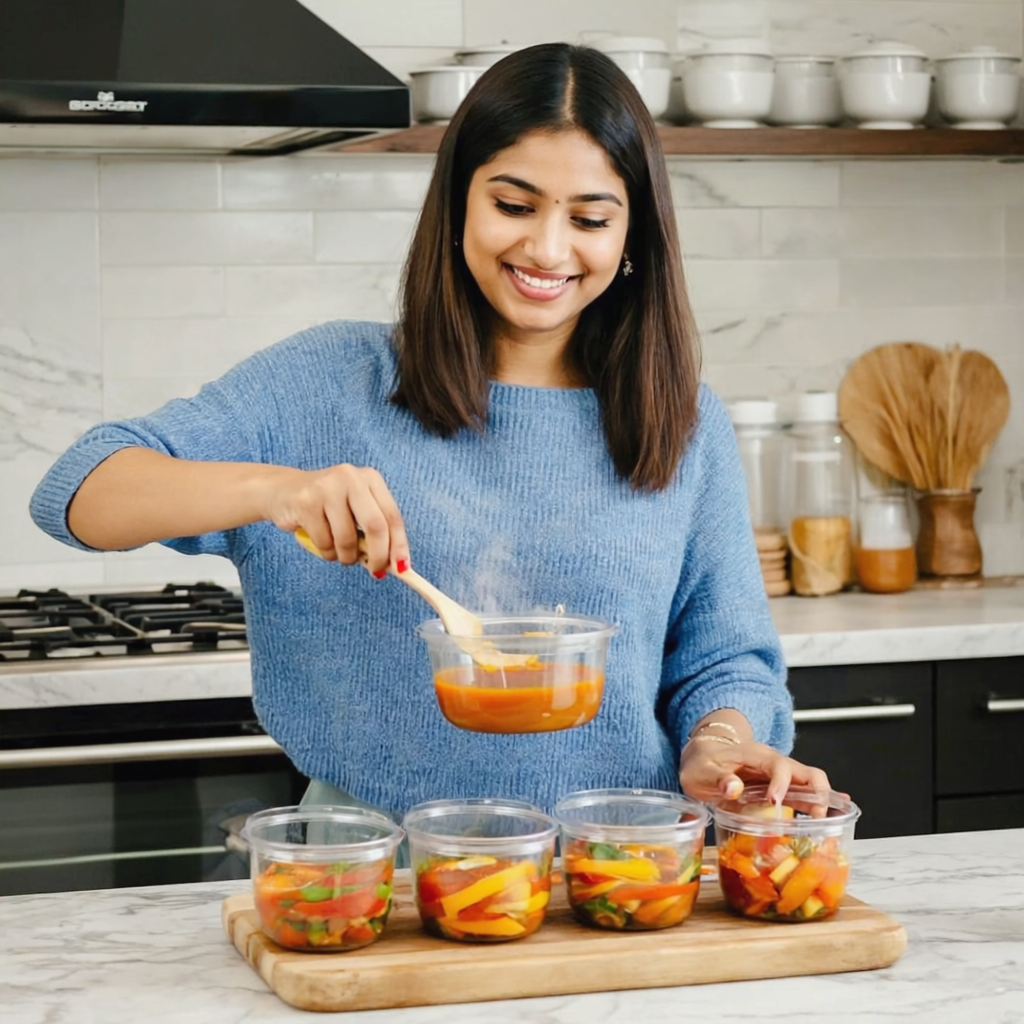
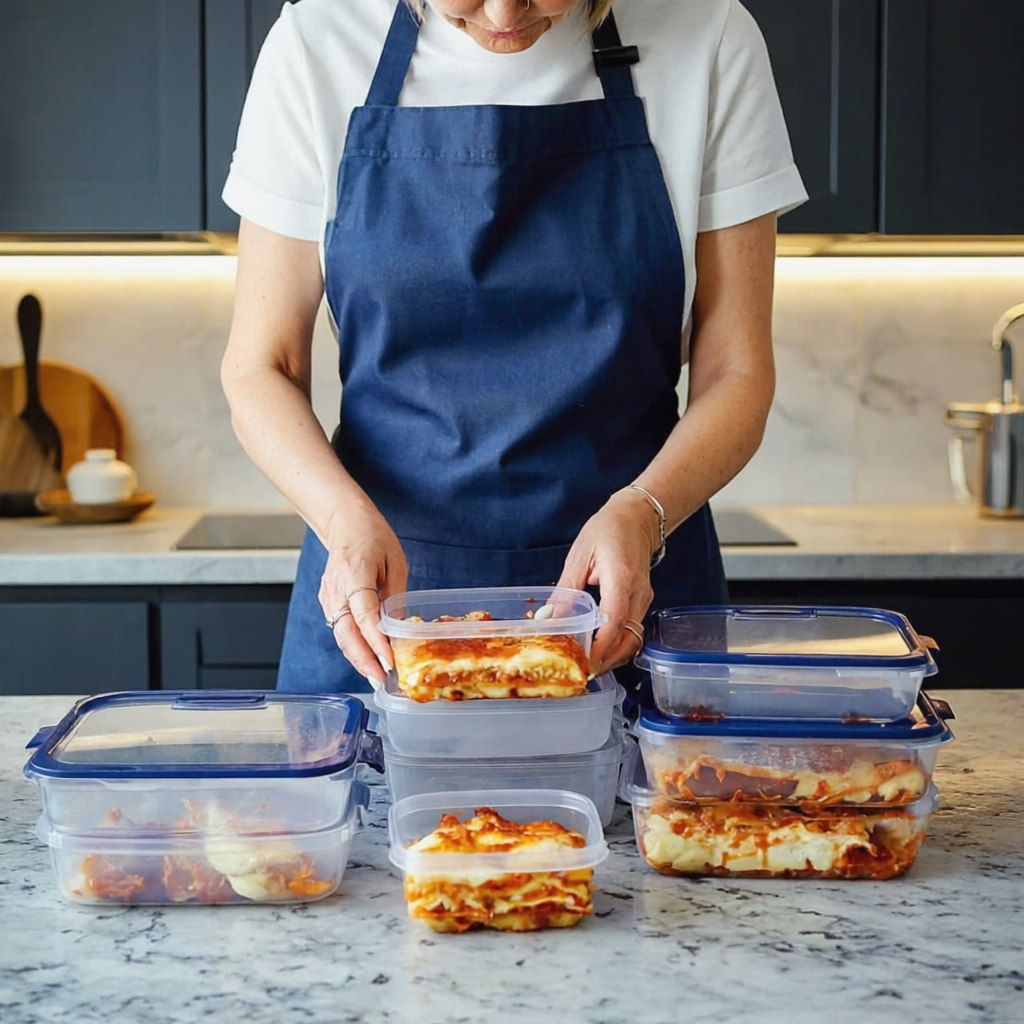
- Use airtight containers to store cooked meals.
- Label each container with the contents and date to keep track of freshness.
- Store meals in the refrigerator for up to 5 days or in the freezer for longer storage.
- Reheat and Serve:
- Reheat meals in the microwave, stovetop, or oven as needed.
- Consider adding fresh herbs or toppings before serving to enhance flavors.
Key Techniques:
- Chopping and Prepping: Mastering your knife skills will make prepping ingredients faster and safer.
- Multi-tasking: Utilize multiple burners and ovens to cook various ingredients simultaneously.
- Seasoning: Get comfortable with spices and herbs to elevate your meals.
- Freezing: Learn proper freezing techniques to maintain food quality, such as portioning and cooling foods before freezing.
Tips:
- Start small by batch cooking one or two meals a week.
- Invest in good-quality storage containers that are freezer and microwave safe.
- Keep a flexible menu to adapt to what ingredients you have on hand.
- Always allow for some time to clean up after batch cooking.
Common Mistakes to Avoid:
- Overcooking components - reserve cooking certain ingredients slightly underdone for reheating later.
- Not allowing meals to cool before freezing, leading to soggy textures.
- Cooking too many similar meals, which can become boring.
- Failing to label containers, resulting in confusion when reheating meals.
Variations:
- Different Cuisines:
- Explore various international cuisines like Mexican, Asian, or Mediterranean for flavor diversity.
- Dietary Preferences:
- Adjust recipes for vegetarian, vegan, gluten-free, or dairy-free diets.
- Ingredient Swaps:
- Substitute proteins and grains based on what you have available or prefer.
Mastering batch cooking will streamline your meal preparation, saving you time and stress while promoting healthier eating habits. Happy Cooking!