Week 43: Roasts: Master the Art of Slow Roasted Perfection
0:00 / 0:00
Generating audio...

⏱ 3 min read
📝 585 words
Roasts Master the Art of Slow Roasted Perfection
Roasting is a classic cooking technique that emphasizes flavor and tenderness. Slow roasting allows meats and vegetables to develop a deep, rich taste while ensuring they remain juicy and succulent.
Roasts: Master the Art of Slow Roasted Perfection
Roasting is a classic cooking technique that emphasizes flavor and tenderness. Slow roasting allows meats and vegetables to develop a deep, rich taste while ensuring they remain juicy and succulent. In this lesson, you will learn everything you need to master slow roasting. Follow these steps, techniques, and tips to achieve roast perfection.
Equipment Needed:
- Roasting pan
- Meat thermometer
- Sharp knife
- Cutting board
- Aluminum foil (optional)
Ingredients:
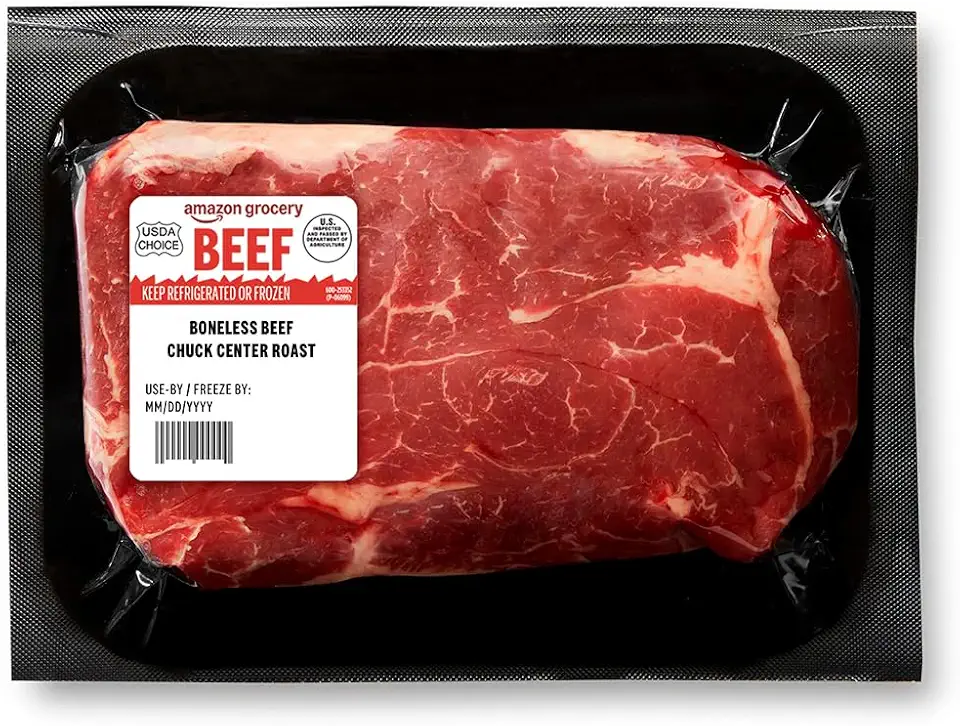
- Meat: Choose your favorite: beef, pork, lamb, or poultry.
- Seasoning: Kosher salt, black pepper, garlic, herbs (rosemary, thyme, etc.), and olive oil.
- Vegetables: Carrots, potatoes, onions, and other root vegetables (optional).
Step-by-Step Instructions:
Step 1: Choose Your Meat
- Select a cut of meat suitable for slow roasting, like a standing rib roast, pork shoulder, or whole chicken.
- Consider the size and bone content, as these factors will affect cooking time.
Step 2: Prepare the Meat
- Pat the meat dry with paper towels to ensure a good sear.
- Season generously with kosher salt and black pepper at least an hour before roasting, or ideally overnight in the refrigerator.
- For added flavor, create a herb rub by mixing chopped garlic, herbs, and olive oil. Rub this mixture all over the meat.
Step 3: Prepare Vegetables (Optional)
- Cut vegetables into uniform pieces to ensure even cooking.
- Toss with olive oil, salt, and any preferred seasonings.
- Place them in the roasting pan, creating a bed for the meat, if desired.
Step 4: Preheat the Oven
- Preheat your oven to a low temperature between 250°F to 325°F (120°C to 160°C).
- Lower temperatures are ideal for tougher cuts that need longer cooking times, while higher temperatures exude a crispy outer layer.
Step 5: Roasting
- Place the meat in the roasting pan, fat side up.
- If using a meat thermometer, insert it into the thickest part of the meat, avoiding bone.
- Roast until the internal temperature reaches your desired doneness, checking periodically. Here are approximate cooking times:
- Beef: 20-25 minutes per pound for medium-rare.
- Pork: 15-20 minutes per pound.
- Lamb: 20 minutes per pound for medium.
- Poultry: 15-20 minutes per pound for whole chickens.
Step 6: Resting
- Once the roast reaches the desired doneness, remove it from the oven.
- Cover loosely with aluminum foil and let it rest for at least 15-30 minutes before carving. This allows the juices to redistribute throughout the meat.
Key Techniques:
- Seasoning: Seasoning beforehand enhances flavor. Consider marinating or brining for extra moisture.
- Using a Thermometer: A meat thermometer is essential for monitoring doneness without cutting into the meat.
- Resting: Do not skip the resting period; it's crucial for a juicy roast.
Tips for Perfect Roasts:
- Allow the meat to come to room temperature before roasting for more even cooking.
- Factor in carryover cooking-meat continues to cook after being removed from heat.
- Use a roasting rack to allow air to circulate around the meat for even cooking.
Common Mistakes to Avoid:
- Seasoning just before cooking-always season in advance.
- Opening the oven too frequently, which can lower the temperature and extend cooking time.
- Not resting the meat, which can lead to dry cuts as juices escape during carving.
Variations:
- Herb-Crusted Roast: Incorporate a blend of fresh herbs like parsley, basil, and oregano into your rub.
- Spicy Roast: Add crushed red pepper flakes or chili powder to your seasoning mix for a kick.
- Citrus Roast: Marinate the meat with citrus juices and zest for a fresh flavor profile.
By mastering these techniques and approaches, you'll be able to create a beautiful slow-roasted meal that will impress family and friends. Happy roasting!
Lesson Tips
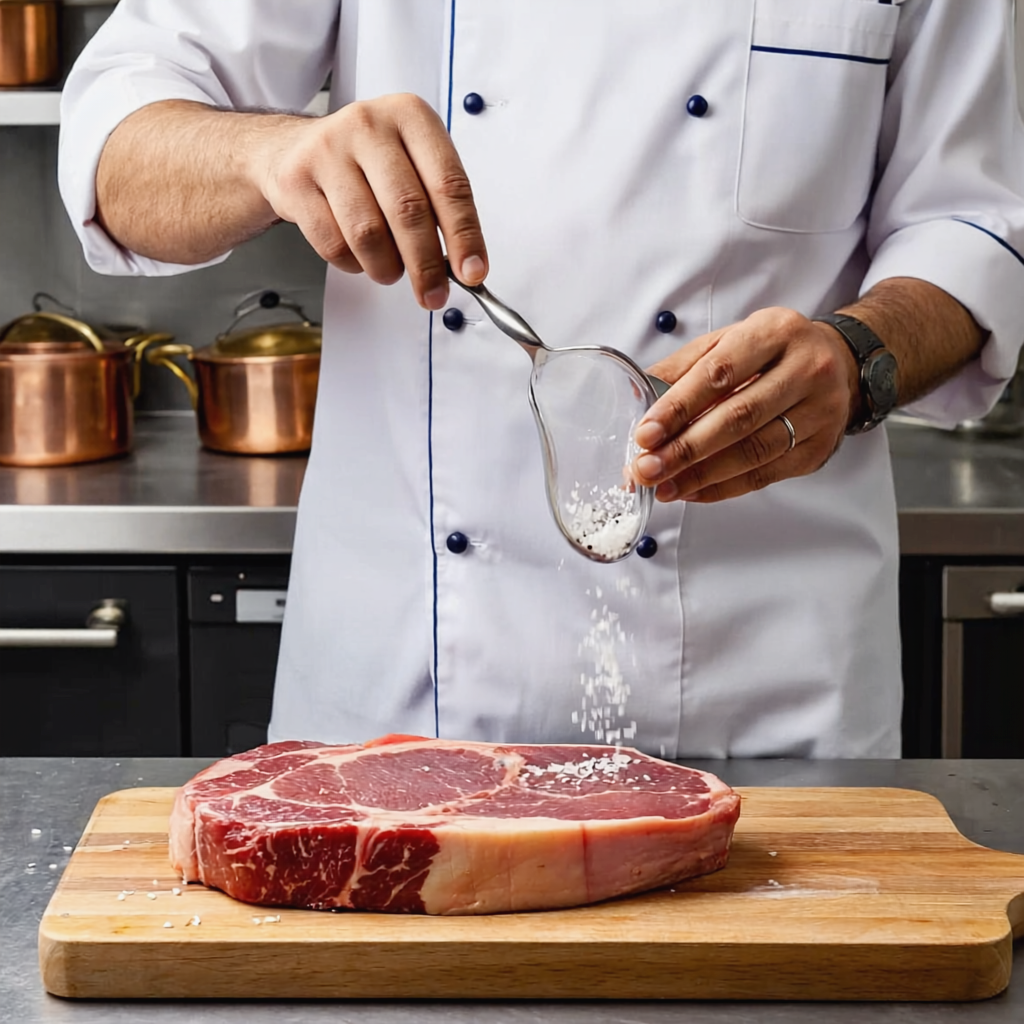
Season meat generously in advance to enhance flavor.
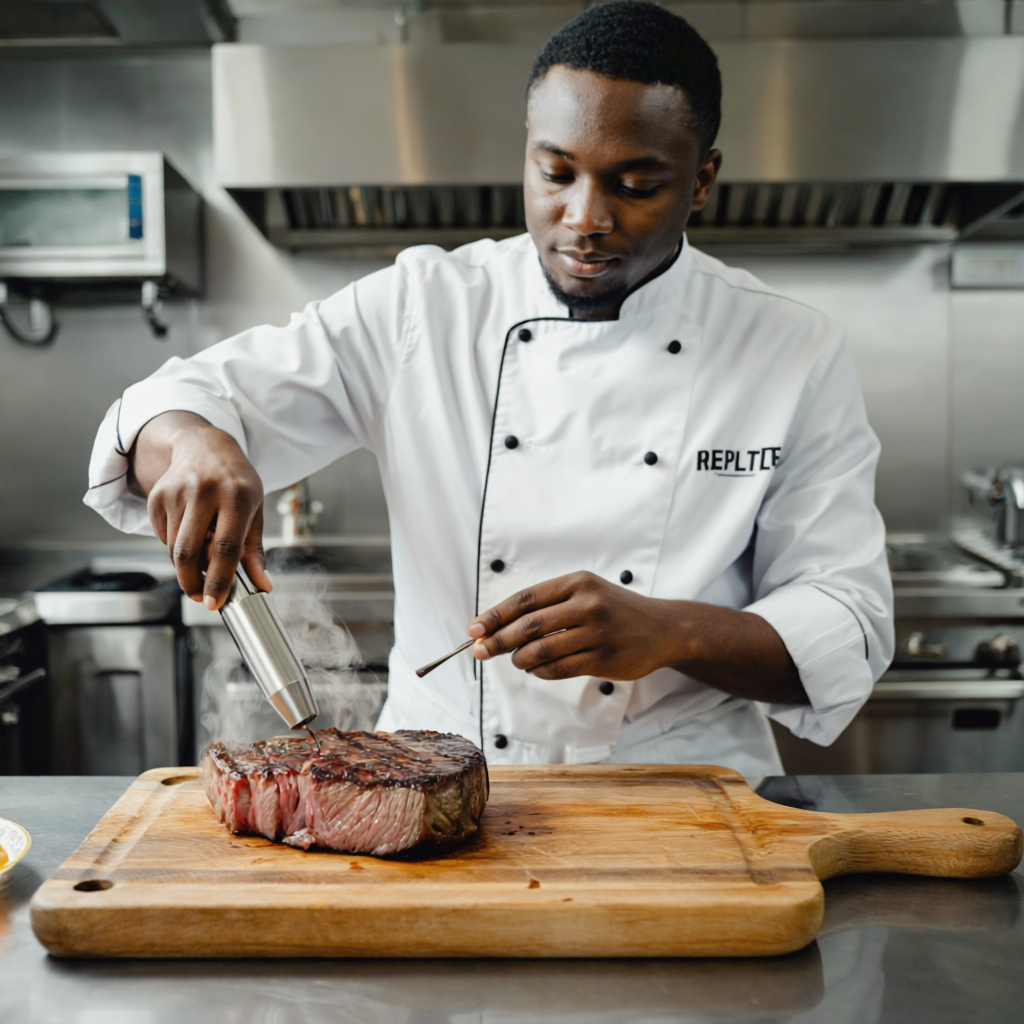
Use a meat thermometer to ensure perfect doneness.
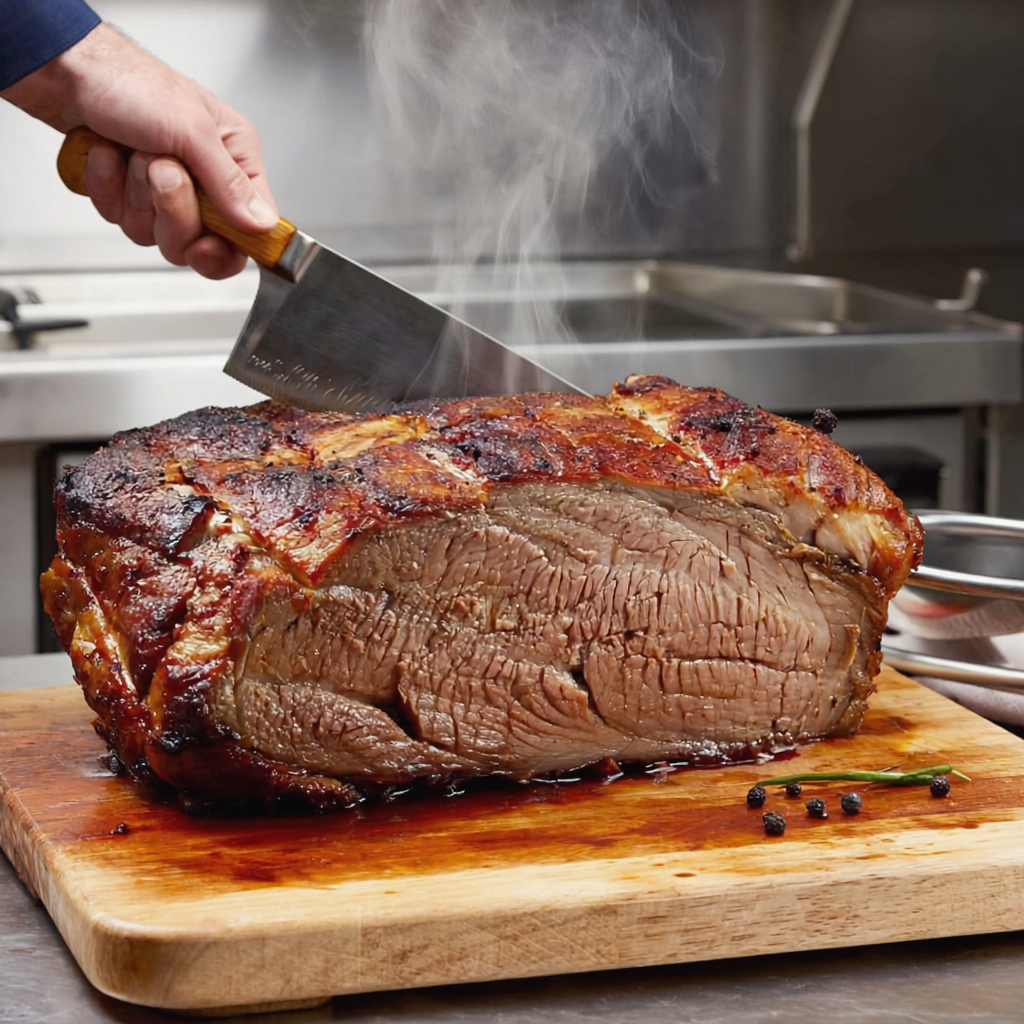
Allow meat to rest after roasting for juiciness before carving.